
About Pistachio
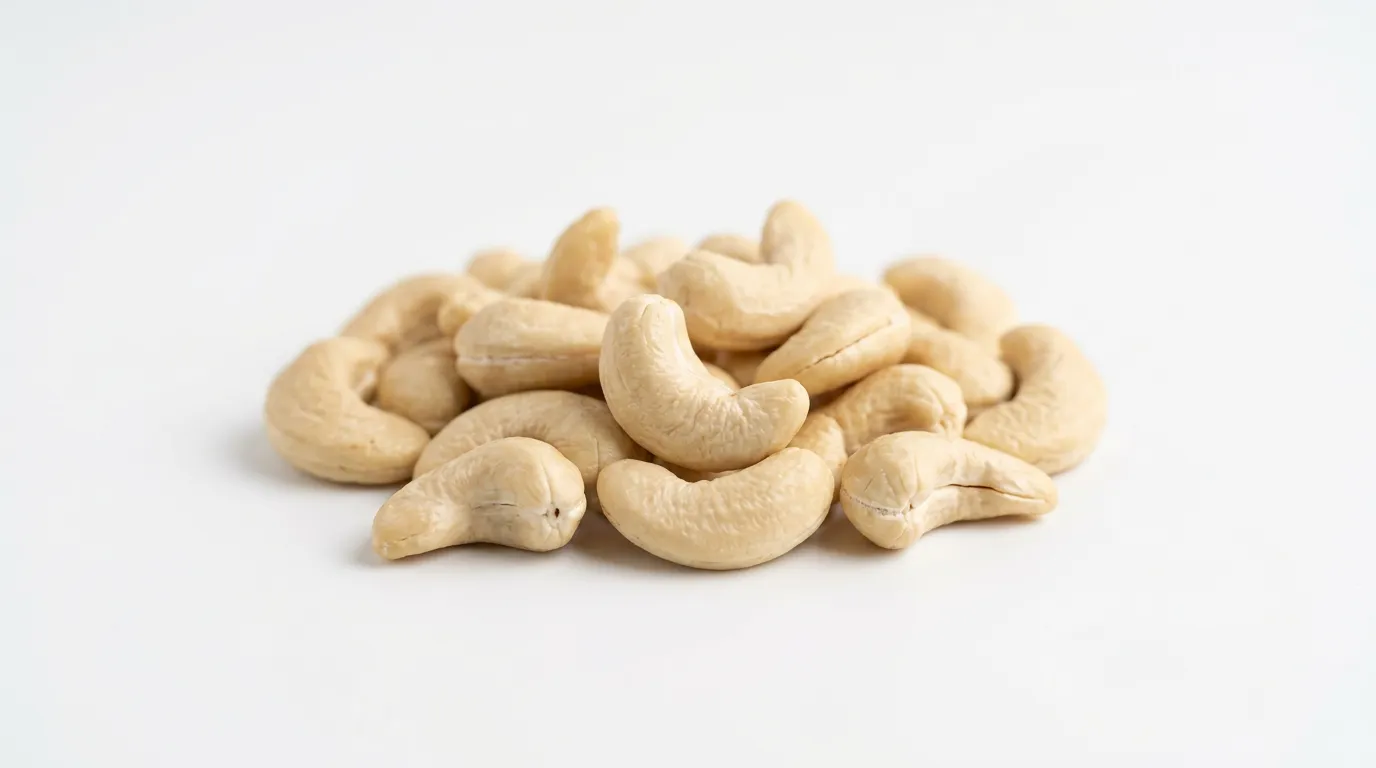
Pistachio is a tree nut with a rich, slightly sweet flavor and a soft green color. When prepared safely, it can be a nutritious food for babies and toddlers. Because whole nuts and thick nut butters are major choking hazards, pistachio should only be offered in forms that match a child's eating skills, such as finely ground pistachio mixed into other foods or pistachio butter thinned to a smooth, runny consistency. Pistachios provide healthy unsaturated fats that support brain development, along with plant protein, fiber, iron, vitamin B6, potassium, and folate. They are also relatively rich in copper and other minerals that help support growth and overall development. Pairing pistachio with vitamin C-rich foods like fruit can help the body absorb some of its iron. Pistachio is a common allergen because it is a tree nut. Children allergic to pistachio may also react to cashew, and sometimes to other tree nuts. Introduce pistachio in a small amount when your baby is well and can be observed, and seek medical guidance before introduction if your child has a history of food allergy, severe eczema, or a known tree nut allergy. Most babies can begin pistachio from 6 months old if it is served safely. Start with a very small amount of finely ground pistachio stirred into yogurt, oatmeal, or purée, or offer a thin smear of well-thinned pistachio butter on toast fingers or soft fruit. As your child gets older, continue avoiding whole pistachios until chewing skills are mature, since whole nuts remain a choking risk for young children.
How to serve by age
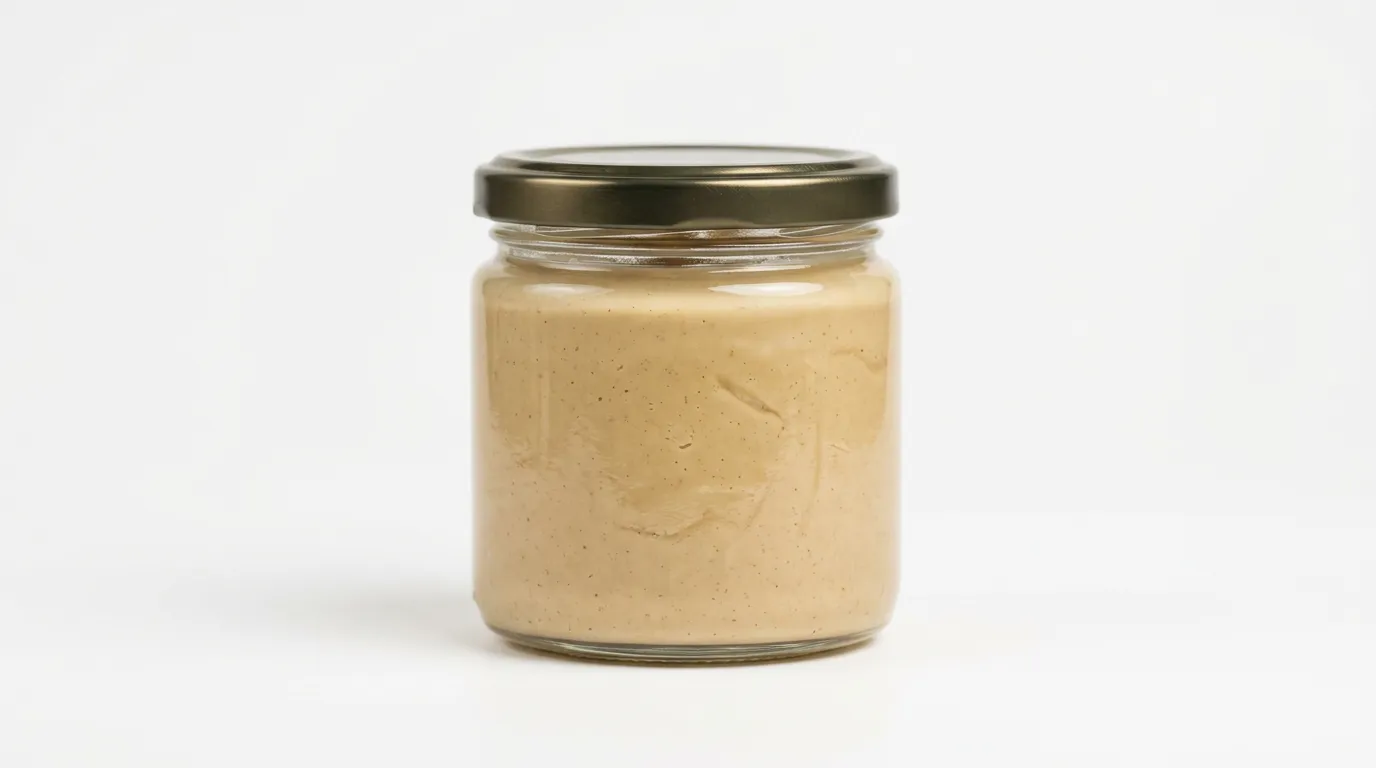
Mix a small amount of very finely ground pistachio into yogurt, oatmeal, mashed fruit, or vegetable purée. You can also thin pistachio butter with water, breast milk, formula, or yogurt until smooth and runny, then spread a thin layer on toast fingers or stir into food. Never offer whole nuts, chopped nuts, or thick spoonfuls of nut butter.
Continue offering pistachio as a fine powder mixed into moist foods or as a thin smear of well-thinned pistachio butter on toast, pancakes, or soft fruit slices. Avoid chunks and sticky mouthfuls.
Toddlers can continue eating pistachio safely when it is finely ground or served as a thin layer of thinned pistachio butter. Whole pistachios and nut pieces should still be avoided because they remain a serious choking hazard.
Whole pistachios may be considered around age 3 and up only if your child reliably chews well, takes small bites, and sits calmly while eating. Continue close supervision, and remember that many experts advise delaying whole nuts until age 4 or later because of choking risk.
Pairs well with
Safety & allergens
Whole pistachios, pistachio pieces, shells, and thick spoonfuls of pistachio butter are high choking hazards. Always remove shells completely. For babies and young toddlers, serve pistachio only as a very fine powder mixed into moist foods or as pistachio butter thinned with water, breast milk, formula, or yogurt and spread thinly on toast or stirred into purées.
What to watch for
Safety checklist
Storage & shelf life
Store shelled pistachios or opened pistachio butter in an airtight container in the refrigerator and use within 3-5 days for freshly prepared portions; commercially packaged products may last longer if stored according to the label.
Freeze pistachios or pistachio butter in an airtight freezer-safe container for up to 12 months for best quality.
Nutrition
- Provides healthy unsaturated fats for brain development
- Contains plant protein and fiber for fullness and digestion
- Offers iron and folate to support growth
- Provides potassium for muscle and nerve function
- Common tree nut allergen
- Whole nuts and thick nut butter are major choking hazards
- Energy-dense, so small portions are enough
Key nutrients
Nutrition facts
| Calories | 560kcal |
|---|---|
| Protein | 20.2g |
| Carbs | 27.2g |
| Fat | 45.3g |
| Fiber | 10.6g |
| Sugar | 7.7g |
| Iron | 3.9mg |
| Calcium | 105.0mg |
| Potassium | 1020mg |
| Vitamin C | 6mg |
| Vitamin A | 26.0µg |
| Folate | 51µg |
| Zinc | 2.20mg |
per 100 g
In season
Common questions
When can babies eat Pistachio?
Is Pistachio a choking hazard?
Is Pistachio a common allergen?
More first foods

Track Pistachio and everything your baby eats
Log meals and reactions, get allergen alerts, and see your baby's food journey at a glance in the Alimoo app.


Backed by