
About Brazil Nut
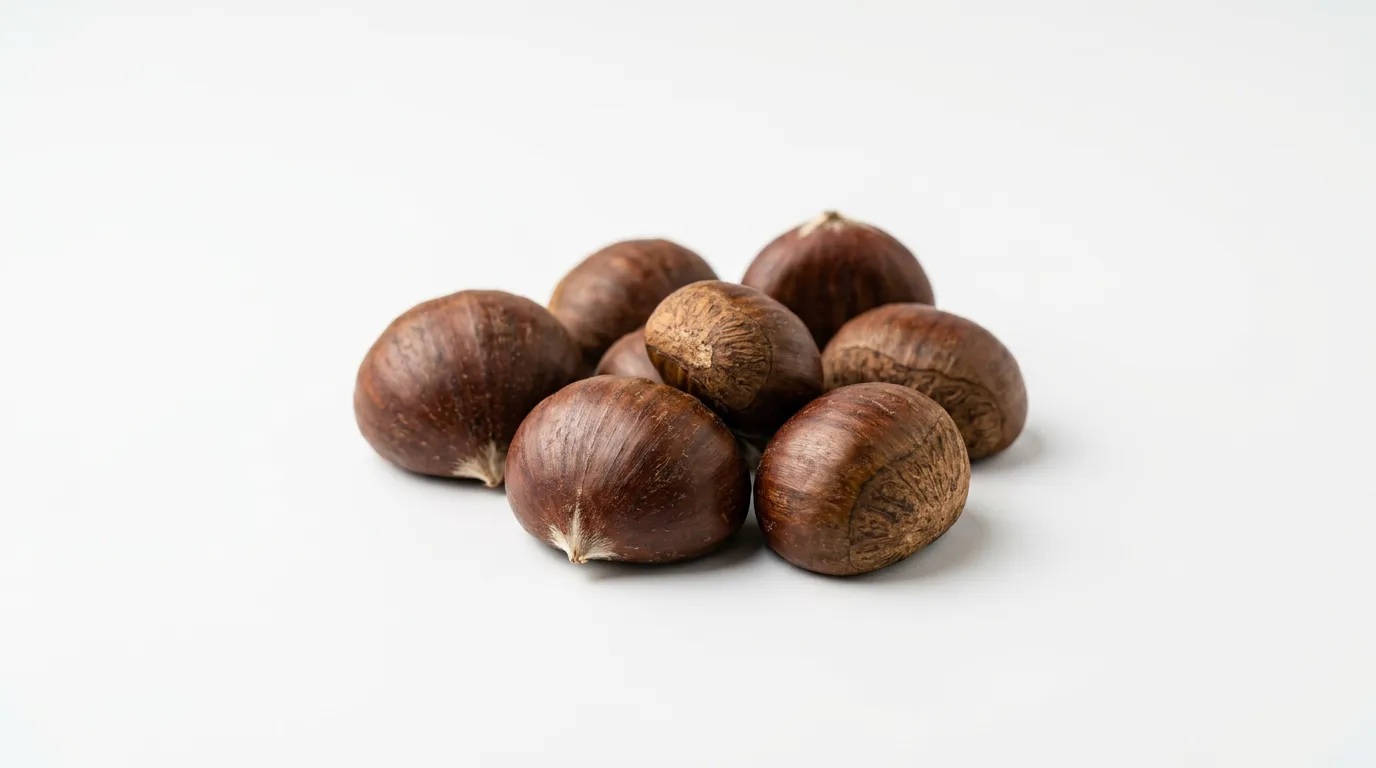
Brazil nuts are large tree nuts with a rich, creamy texture and a mild flavor. They contain healthy fats, fiber, and minerals, but they are not a routine first food for babies because whole nuts and nut pieces are major choking hazards and Brazil nuts are unusually high in selenium. Nutritionally, Brazil nuts provide unsaturated fats for energy, some protein, fiber for digestion, and minerals such as magnesium, calcium, iron, and zinc. They are especially known for selenium, an essential mineral that supports antioxidant defenses and thyroid function. However, because selenium is very concentrated in Brazil nuts, even small amounts can add up quickly for young children. Brazil nut is a tree nut. Tree nuts are a common allergen group, and reactions can be serious. If your child has an allergy to another tree nut, discuss introduction with your pediatric clinician or allergist, since cross-reactivity can occur. Never offer whole Brazil nuts, chopped nuts, or thick spoonfuls of nut butter to babies or toddlers because they can block the airway. For infants under 12 months, Brazil nuts are generally best avoided due to selenium concentration and choking risk. After 12 months, if you choose to offer them, use only a very small amount of smooth Brazil nut butter thinned into yogurt, porridge, or another familiar food, or use a very fine sprinkle of ground nut mixed thoroughly into moist foods. Continue to avoid whole nuts in early childhood.
How to serve by age
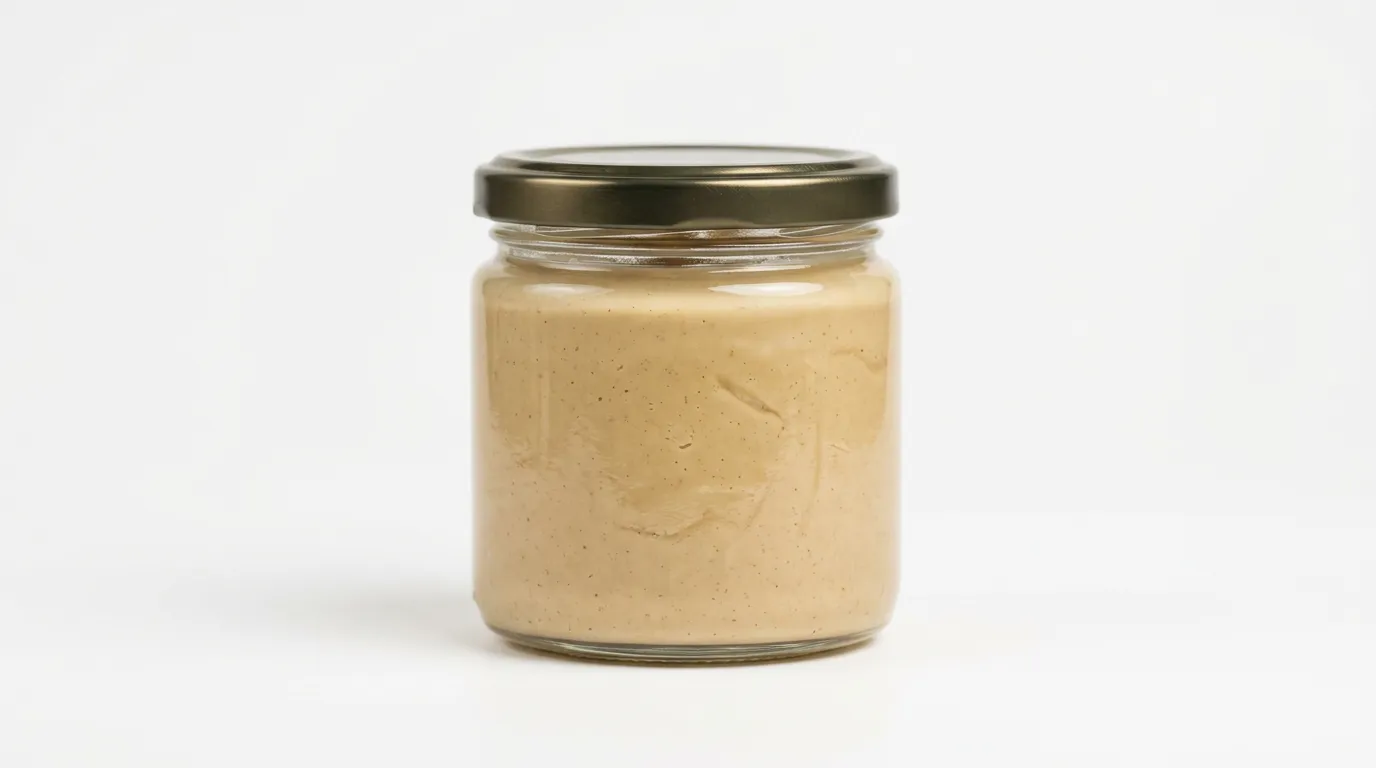
If you choose to introduce Brazil nut after 12 months, mix a very small amount of smooth Brazil nut butter into yogurt, oatmeal, or another moist food until fully thinned with no sticky clumps. Keep the portion small because Brazil nuts are very high in selenium.
You may also use a very fine sprinkle of ground Brazil nut stirred completely into porridge, yogurt, or baked foods. Do not offer chunks, chopped nuts, or spoonfuls of nut butter.
Continue to serve only in safely mixed forms, such as thinned butter or finely ground nut incorporated into moist foods. Whole Brazil nuts should still be avoided because they remain a choking hazard for young children.
Pairs well with
Safety & allergens
Whole Brazil nuts, nut pieces, and thick spoonfuls of Brazil nut butter are high choking risks. Do not serve whole or chopped nuts to babies or young toddlers. If offered after 12 months, use only a very small amount of smooth Brazil nut butter thinned well into another food, or mix very finely ground Brazil nut completely into moist foods so no clumps remain.
What to watch for
Safety checklist
Storage & shelf life
Store shelled Brazil nuts or Brazil nut butter in an airtight container in the refrigerator to help prevent rancidity. Use within about 6-12 months depending on freshness at purchase and always discard if they smell bitter, musty, or paint-like.
Freeze Brazil nuts or Brazil nut butter in an airtight freezer-safe container for up to 12 months. Thaw in the refrigerator and stir well before serving.
Nutrition
- Provides healthy fats for energy and growth
- Contains fiber to support digestion
- Offers minerals including selenium, magnesium, and zinc
- Can add richness and calories to mixed foods in tiny amounts
- Very high choking risk if served whole, chopped, or in thick nut butter
- Very high in selenium, so portions must stay small
- High in calories and fat, which can displace other foods if overused
- Tree nut allergen that can cause severe reactions
Key nutrients
Nutrition facts
| Calories | 553kcal |
|---|---|
| Protein | 18.2g |
| Carbs | 30.2g |
| Fat | 43.8g |
| Fiber | 3.3g |
| Sugar | 5.9g |
| Iron | 6.7mg |
| Calcium | 37.0mg |
| Potassium | 660mg |
| Vitamin C | 1mg |
| Folate | 25µg |
| Zinc | 5.78mg |
per 100 g
In season
Common questions
When can babies eat Brazil Nut?
Is Brazil Nut a choking hazard?
Is Brazil Nut a common allergen?
More first foods

Track Brazil Nut and everything your baby eats
Log meals and reactions, get allergen alerts, and see your baby's food journey at a glance in the Alimoo app.


Backed by