
About Almond
Almond is a tree nut that can be offered to babies in safe forms such as smooth almond butter thinned into yogurt, oatmeal, or purées, or as finely ground almond mixed into other foods. It provides healthy unsaturated fats and a concentrated source of nutrients, but whole almonds and thick spoonfuls of nut butter are not safe for babies and young toddlers. Almonds are especially known for vitamin E, which supports cell health, along with fiber, calcium, magnesium, and some iron. Because almonds are energy-dense, a small amount can add richness and staying power to meals and snacks. They can be a useful ingredient in balanced meals, but they should not replace iron-rich staples such as meat, beans, lentils, eggs, or iron-fortified cereals. Almond is a common allergen because it is a tree nut. Introduce almond for the first time in a small amount when your baby is well and you can watch closely. Children allergic to one tree nut may react to others, but tolerance to one nut does not guarantee tolerance to all. Some children with birch pollen allergy may also notice mild mouth itching with almond due to oral allergy syndrome, more often in older children than in babies. Most babies can start almond from 6 months old only in modified forms such as thinned smooth almond butter or very finely ground almond stirred into soft foods. Around 9 to 12 months, almond can continue in mixed dishes and baked foods. Whole almonds should be avoided until at least 4 years old because they are a major choking hazard.
How to serve by age
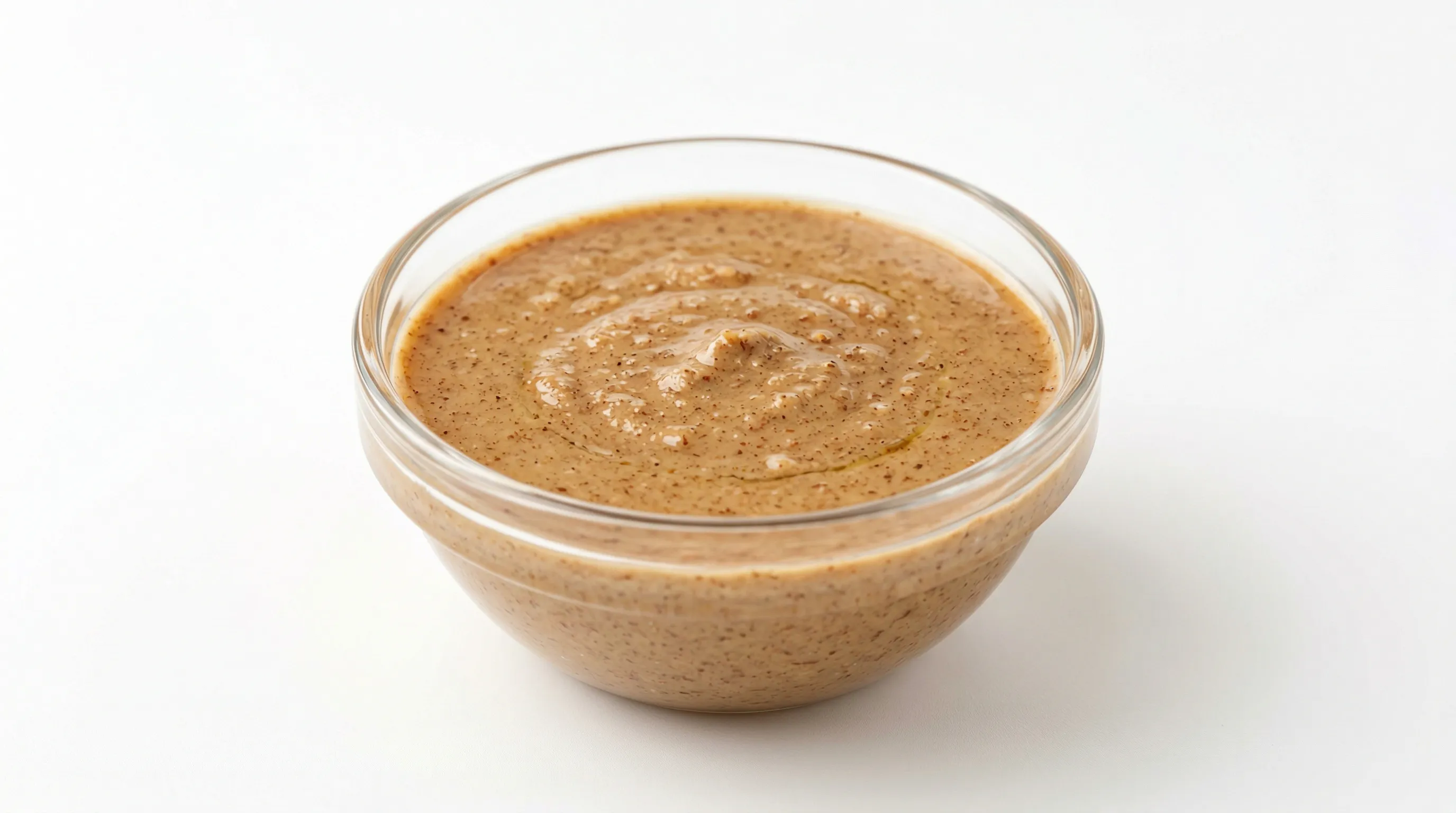
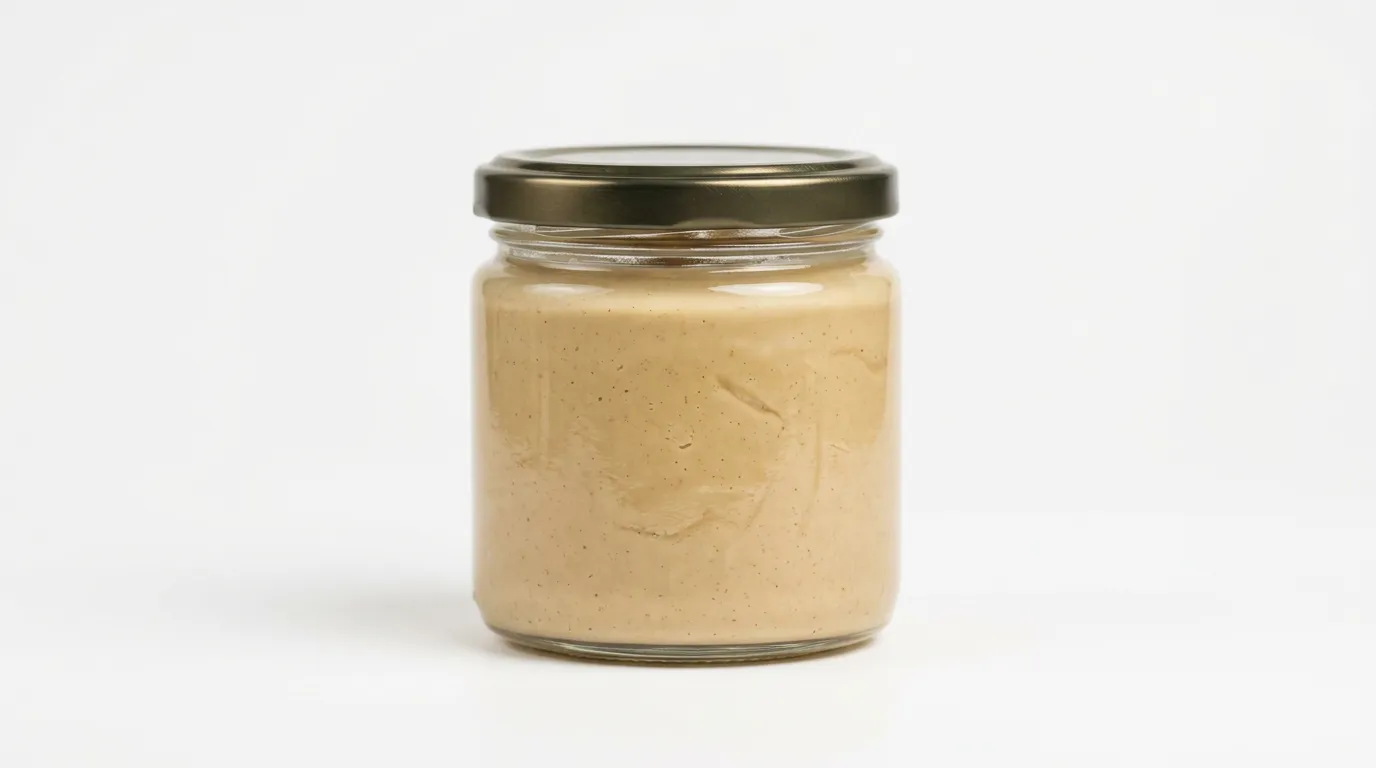
Thin smooth almond butter with water, breast milk, formula, or plain yogurt until it is no longer sticky, then spread a thin layer on toast fingers or stir into oatmeal or purée. You can also mix very finely ground almond into moist foods. Never offer whole or chopped almonds.
Once your baby is managing more texture, continue offering almond as thinned smooth almond butter mixed into yogurt, porridge, or mashed fruit, or spread very thinly on toast strips. Avoid sticky spoonfuls and any chunky nut pieces.
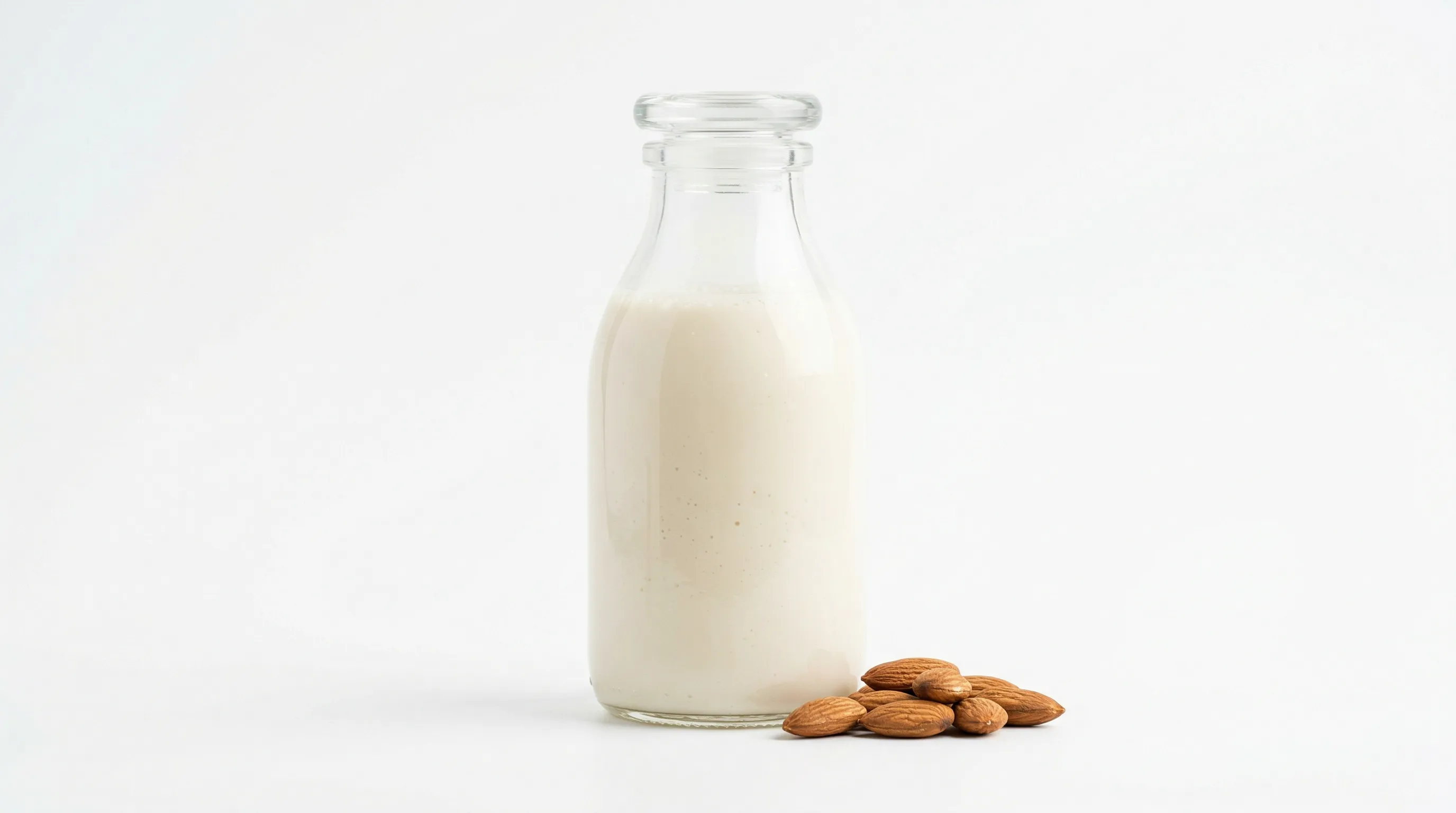
Toddlers can have almond in safe forms such as smooth almond butter, finely ground almond in pancakes or muffins, or stirred into cereals and yogurt. Almond milk can be used in cooking, but it should not replace breast milk, formula, or a nutritionally appropriate main milk without medical guidance.
Whole almonds should wait until at least 4 years old, and only when your child can reliably chew well and eat seated calmly. Continue close supervision because whole nuts remain a choking risk.
Pairs well with
Safety & allergens
Whole almonds and chopped almonds are high-risk choking hazards for babies and young children. Thick globs of almond butter can also stick in the mouth and throat. Serve only as smooth almond butter thinned with water, breast milk, formula, or yogurt, or as very finely ground almond mixed into moist foods. Do not offer whole almonds before at least 4 years old.
What to watch for
Safety checklist
Storage & shelf life
Store whole almonds or ground almonds in an airtight container in a cool, dry place. For longer freshness, refrigerate after opening and use within 3-5 days once prepared into mixed foods.
Freeze almond butter portions, ground almond, or almond-containing baby food in an airtight container for up to 3 months. Thaw in the refrigerator before serving.
Nutrition
- Provides healthy unsaturated fats for growth and energy
- Rich in vitamin E, an important antioxidant
- Contains fiber to support digestion
- Offers calcium, magnesium, and some iron
- Common tree nut allergen
- Whole almonds are a major choking hazard
- Very calorie-dense, so small portions are enough
- Not a substitute for iron-rich main foods
Key nutrients
Nutrition facts
| Calories | 579kcal |
|---|---|
| Protein | 21.2g |
| Carbs | 21.6g |
| Fat | 49.9g |
| Fiber | 12.5g |
| Sugar | 4.3g |
| Iron | 3.7mg |
| Calcium | 269.0mg |
| Potassium | 733mg |
| Folate | 44µg |
| Zinc | 3.12mg |
per 100 g
In season
Common questions
When can babies eat Almond?
Is Almond a choking hazard?
Is Almond a common allergen?
More first foods

Track Almond and everything your baby eats
Log meals and reactions, get allergen alerts, and see your baby's food journey at a glance in the Alimoo app.


Backed by