
À propos de Noix de cajou
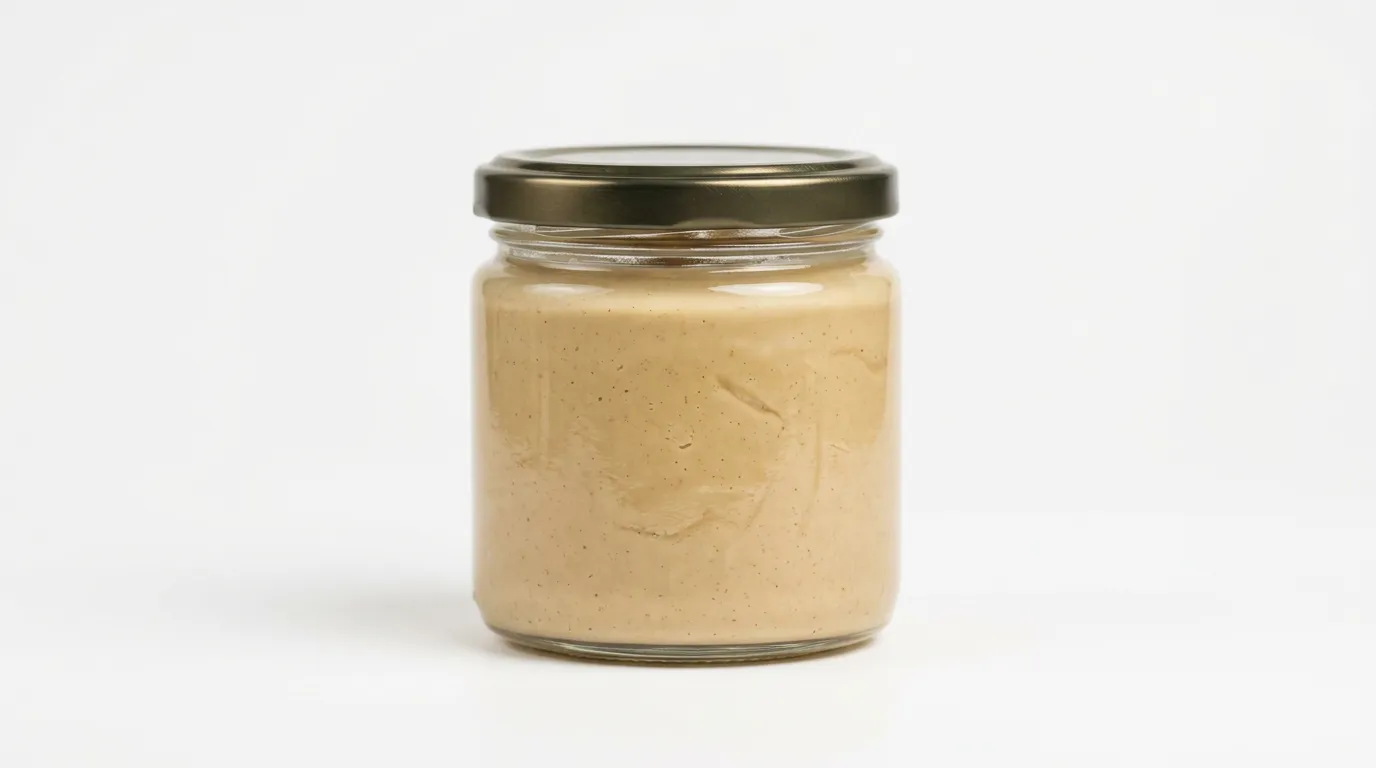
La noix de cajou est un fruit à coque qui peut être proposé aux bébés sous des formes sûres, comme du beurre de cajou lisse dilué avec de l’eau, du lait maternel, du lait infantile ou du yaourt, ou sous forme de noix de cajou très finement moulue mélangée à d’autres aliments. Elle offre une saveur riche et onctueuse et constitue un bon moyen d’introduire tôt les allergènes des fruits à coque tout en diversifiant l’alimentation du bébé. Les noix de cajou apportent des graisses insaturées bénéfiques pour la croissance, ainsi que des protéines végétales, du fer, du zinc, du magnésium et du cuivre. Ces nutriments soutiennent le développement cérébral, le fonctionnement du système immunitaire et une croissance normale. Les noix de cajou sont également denses en énergie, de sorte qu’une petite quantité peut apporter un complément calorique intéressant aux repas et aux collations. La noix de cajou est un allergène courant car il s’agit d’un fruit à coque. L’allergie à la noix de cajou peut être importante, et il existe une réactivité croisée notable avec la pistache. Les noix de cajou entières et les morceaux de noix présentent aussi un risque élevé d’étouffement pour les bébés et les jeunes tout-petits, et les cuillerées épaisses de beurre d’oléagineux peuvent être collantes et difficiles à gérer si elles ne sont pas bien diluées. La plupart des bébés peuvent commencer la noix de cajou dès 6 mois s’ils sont prêts sur le plan du développement, mais elle ne doit jamais être servie entière. Commencez par une petite quantité de beurre de cajou lisse dilué ou de noix de cajou très finement moulue mélangée à un aliment familier. À mesure que votre enfant grandit, vous pouvez continuer à utiliser des tartinades fines, des sauces et de la noix de cajou finement moulue dans les repas, mais les noix entières doivent être évitées jusqu’à au moins 4 ans en raison du risque d’étouffement.
Comment servir selon l'âge
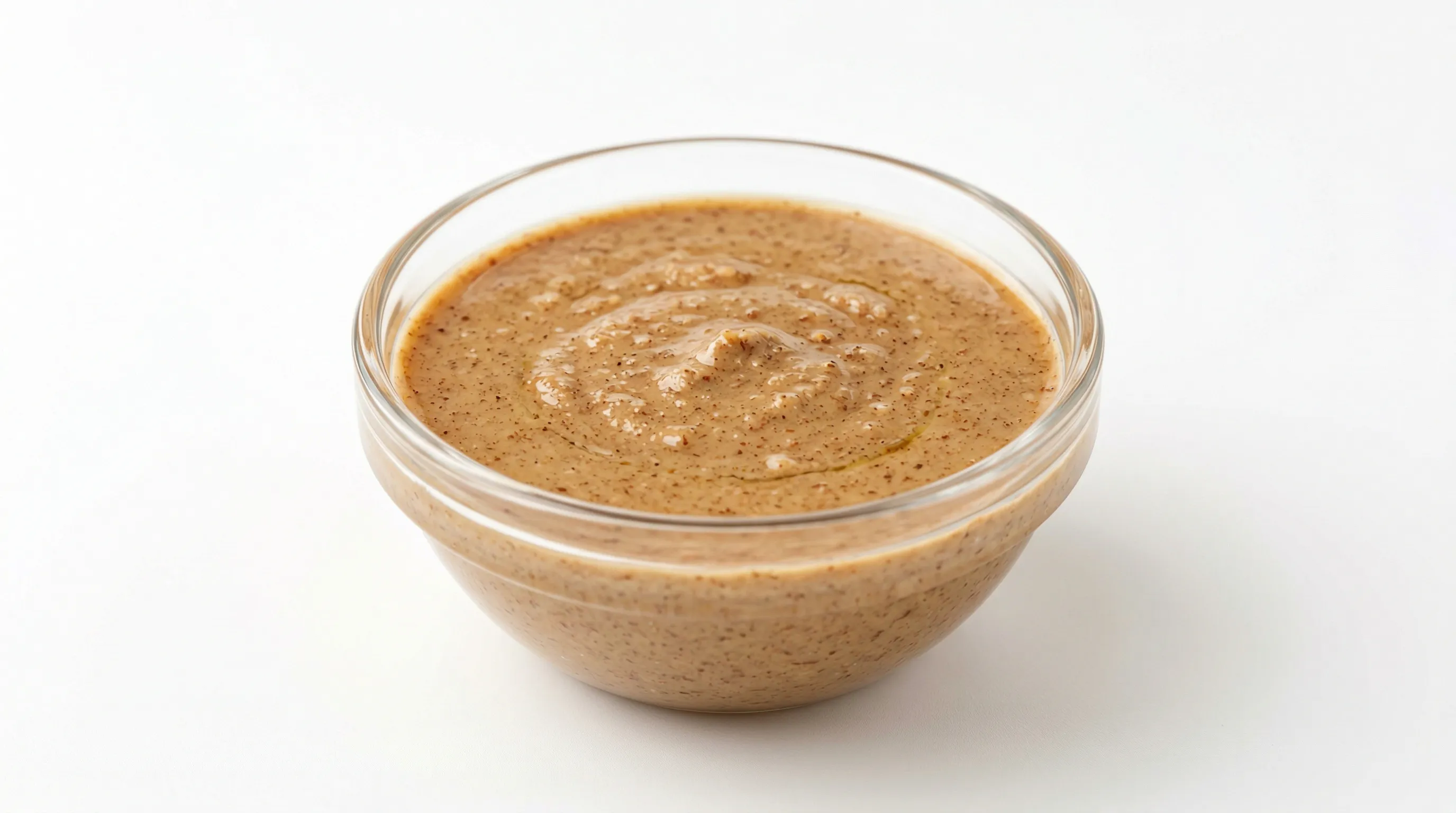
Mélangez du beurre de cajou lisse avec de l’eau, du lait maternel, du lait infantile ou du yaourt jusqu’à obtenir une texture fluide et non collante, puis proposez-en une petite quantité à la cuillère ou étalez une très fine couche sur des bâtonnets de pain grillé.
À mesure que votre bébé développe un meilleur contrôle des mains, continuez à proposer la noix de cajou sous des formes sûres, comme une sauce fine à la noix de cajou mélangée aux aliments, de la noix de cajou finement moulue saupoudrée dans des plats humides, ou une très fine couche de beurre de cajou lisse sur des bâtonnets de pain grillé.
Proposez régulièrement la noix de cajou sous des textures sûres pour aider à maintenir la tolérance si elle a déjà été introduite. Mélangez de la noix de cajou finement moulue dans du porridge, du yaourt ou des préparations cuites au four, ou étalez finement du beurre de cajou lisse dilué sur du pain moelleux ou des crackers.
Les tout-petits peuvent continuer à apprécier la noix de cajou sous forme de beurre lisse, de sauces et de préparations finement moulues. Même si les capacités de mastication s’améliorent, les noix de cajou entières doivent toujours être évitées car elles restent un risque d’étouffement.
Se marie bien avec
Sécurité et allergènes
Les noix de cajou entières et les morceaux de noix de cajou présentent un risque élevé d’étouffement pour les bébés et les jeunes enfants. Servez-les uniquement sous forme de beurre de cajou lisse dilué jusqu’à une consistance fluide ou de noix de cajou très finement moulue mélangée à des aliments humides. Évitez les cuillerées épaisses de beurre d’oléagineux, les pâtes à tartiner avec morceaux et les noix entières. Ne proposez pas de noix de cajou entières avant l’âge de 4 ans.
À surveiller
Liste de sécurité
Conservation et durée
Conservez les noix de cajou ou le beurre de cajou dans un endroit frais et sec, dans un récipient hermétique. Pour une fraîcheur optimale après ouverture, réfrigérez et utilisez dans les quelques mois, en vérifiant l’absence d’odeur ou de goût rance avant de servir.
Congelez les noix de cajou ou le beurre de cajou dans un récipient hermétique pendant jusqu’à 6 mois. Décongelez au réfrigérateur et remuez bien avant de servir.
Nutrition
- Apporte des graisses saines qui soutiennent la croissance et le développement cérébral
- Contient des protéines végétales utiles à la construction et à la réparation des tissus
- Apporte du fer et du zinc pour soutenir la croissance et le système immunitaire
- Dense en énergie, donc de petites portions peuvent apporter un apport calorique intéressant
- Allergène courant parmi les fruits à coque
- Les noix entières présentent un risque sérieux d’étouffement
- Faible teneur en vitamine C
- Ne remplace pas complètement les aliments d’origine animale riches en fer
Nutriments clés
Valeurs nutritionnelles
| Calories | 553kcal |
|---|---|
| Protéines | 18.2g |
| Glucides | 30.2g |
| Lipides | 43.8g |
| Fibres | 3.3g |
| Sucres | 5.9g |
| Fer | 6.7mg |
| Calcium | 37.0mg |
| Potassium | 660mg |
| Vitamine C | 1mg |
| Folate | 25µg |
| Zinc | 5.78mg |
per 100 g
De saison
Questions fréquentes
Quand les bébés peuvent-ils manger Noix de cajou ?
Noix de cajou présente-t-il un risque d'étouffement ?
Noix de cajou est-il un allergène courant ?
Plus de premiers aliments

Suivez Noix de cajou — et tout ce que mange votre bébé
Enregistrez les repas et les réactions, recevez des alertes allergènes et suivez le parcours alimentaire de votre bébé d'un coup d'œil dans l'application Alimoo.


Sources