
À propos de Beurre d’amande
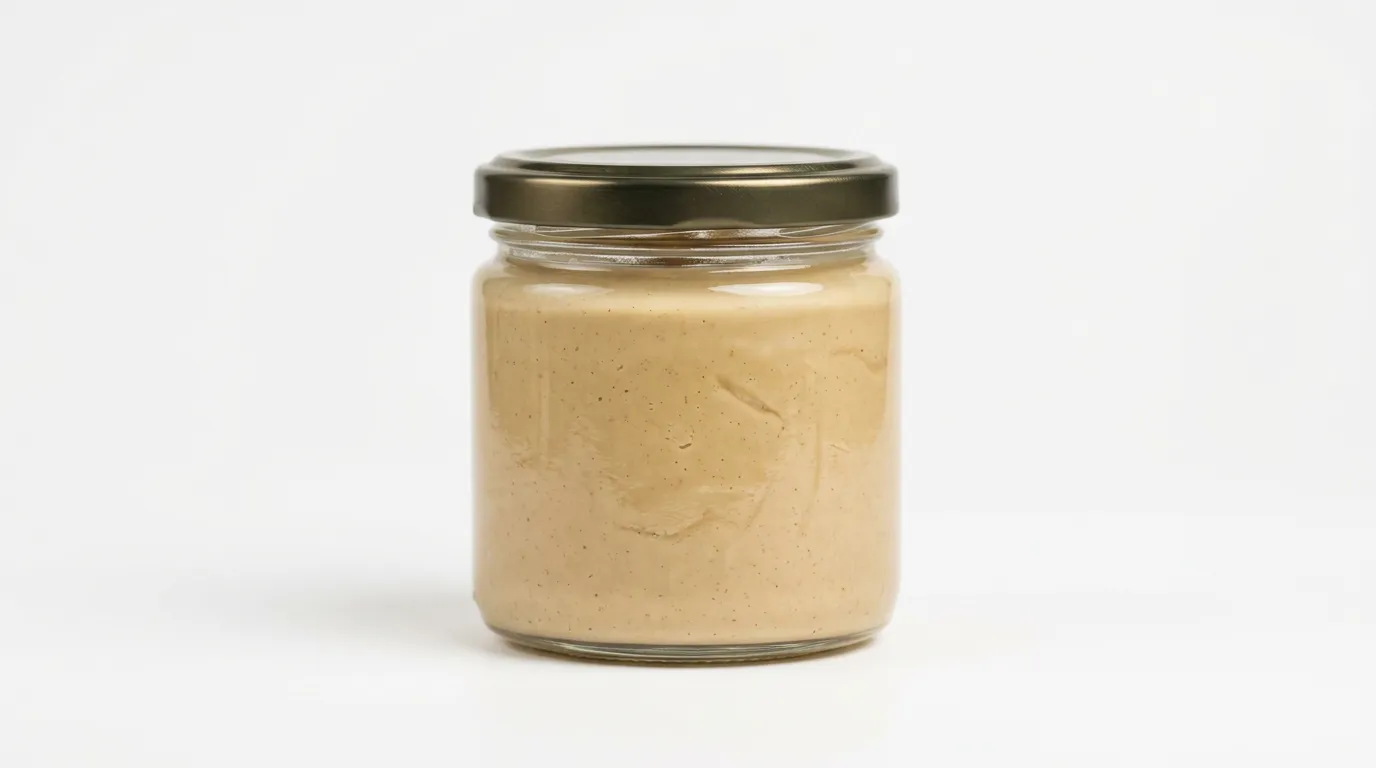
Le beurre d’amande est une pâte à tartiner lisse fabriquée à partir d’amandes broyées. Il peut être un aliment nutritif pour les bébés et les tout-petits, car il apporte une énergie concentrée, des graisses saines et des protéines végétales en petite quantité. Comme il est épais et collant, il ne doit jamais être servi aux bébés en grosses cuillerées ou en grosses noix. Il est particulièrement riche en graisses insaturées, bénéfiques pour le développement du cerveau et la croissance du corps, en vitamine E pour la protection des cellules, en calcium pour les os et les dents, et en fibres pour soutenir la digestion. Le beurre d’amande apporte aussi un peu de fer et de potassium, ce qui en fait un ajout utile aux repas lorsqu’il est associé à d’autres aliments riches en nutriments. L’amande est un fruit à coque, qui fait partie des allergènes courants. Introduisez le beurre d’amande avec précaution, idéalement lorsque votre bébé est en bonne santé et pendant la journée, afin de pouvoir surveiller toute réaction. En raison de sa texture collante, le principal problème de sécurité est le risque d’étouffement lié aux cuillerées épaisses, et non l’amande elle-même lorsqu’elle est servie correctement. La plupart des bébés peuvent commencer le beurre d’amande dès 6 mois s’il est dilué avec de l’eau, du lait maternel, une préparation pour nourrissons, ou mélangé à des aliments comme le yaourt, les flocons d’avoine ou une purée de fruits. À mesure que votre enfant grandit, vous pouvez en tartiner une très fine couche sur des mouillettes de pain grillé ou l’incorporer à des aliments mous. Le beurre d’amande avec morceaux est à réserver à l’âge tout-petit et nécessite toujours une surveillance étroite.
Comment servir selon l'âge
Mélangez une petite quantité de beurre d’amande lisse avec de l’eau, du lait maternel, une préparation pour nourrissons, du yaourt, des flocons d’avoine ou une purée de fruits jusqu’à obtenir une texture fluide et non collante. Proposez-en une toute petite quantité au début et surveillez toute réaction allergique.
Une fois que votre bébé gère bien les textures plus épaisses, incorporez du beurre d’amande dilué dans des flocons d’avoine, du yaourt ou des fruits écrasés. Vous pouvez aussi en étaler une très fine couche sur des bandes de pain légèrement grillé, faciles à mâchouiller et à mordre.
Proposez le beurre d’amande en fine couche à tartiner ou incorporez-le dans des sauces, du porridge, des smoothies ou du yaourt. Continuez à éviter les cuillerées épaisses, car sa texture collante peut encore être difficile à gérer.
Les tout-petits peuvent consommer le beurre d’amande sous davantage de textures, y compris de petites quantités de versions avec morceaux mélangées à des flocons d’avoine ou tartinées finement sur du pain. Continuez la surveillance étroite et évitez les grosses bouchées collantes.
Se marie bien avec
Sécurité et allergènes
Le beurre d’amande est épais et collant et peut présenter un risque d’étouffement s’il est servi à la cuillère ou en grosses noix. Pour les bébés, diluez-le toujours avec de l’eau, du lait maternel, une préparation pour nourrissons, du yaourt ou une purée jusqu’à obtenir une texture fluide, ou étalez-en seulement une très fine couche sur du pain grillé pour les bébés plus âgés. Évitez les grosses quantités épaisses et surveillez attentivement.
À surveiller
Liste de sécurité
Conservation et durée
Conservez le beurre d’amande ouvert bien fermé dans un placard frais si l’étiquette l’autorise, ou au réfrigérateur après ouverture pour une fraîcheur optimale. S’il est mélangé à un aliment pour bébé, réfrigérez les restes dans un récipient hermétique et utilisez-les dans les 3 à 5 jours.
Congelez le beurre d’amande ou un aliment pour bébé à base de beurre d’amande dans un récipient hermétique pendant jusqu’à 3 mois. Décongelez au réfrigérateur et mélangez bien avant de servir.
Nutrition
- Apporte des graisses saines pour la croissance et le développement du cerveau
- Contient des protéines végétales pour soutenir les corps en pleine croissance
- Riche en calcium pour les os et les dents
- Apporte des fibres pour soutenir la digestion
- Fournit de la vitamine E et un peu de fer
- Allergène de la famille des fruits à coque
- Très épais et collant s’il n’est pas dilué
- Riche en calories, donc de petites portions suffisent
- N’est pas une source majeure de vitamine C ni de vitamine A
Nutriments clés
Valeurs nutritionnelles
| Calories | 614kcal |
|---|---|
| Protéines | 21.0g |
| Glucides | 18.8g |
| Lipides | 55.5g |
| Fibres | 10.3g |
| Sucres | 6.3g |
| Fer | 3.5mg |
| Calcium | 347.0mg |
| Potassium | 748mg |
| Folate | 53µg |
| Zinc | 3.29mg |
per 100 g
De saison
Questions fréquentes
Quand les bébés peuvent-ils manger Beurre d’amande ?
Beurre d’amande présente-t-il un risque d'étouffement ?
Beurre d’amande est-il un allergène courant ?
Plus de premiers aliments

Suivez Beurre d’amande — et tout ce que mange votre bébé
Enregistrez les repas et les réactions, recevez des alertes allergènes et suivez le parcours alimentaire de votre bébé d'un coup d'œil dans l'application Alimoo.


Sources