
About Wheat
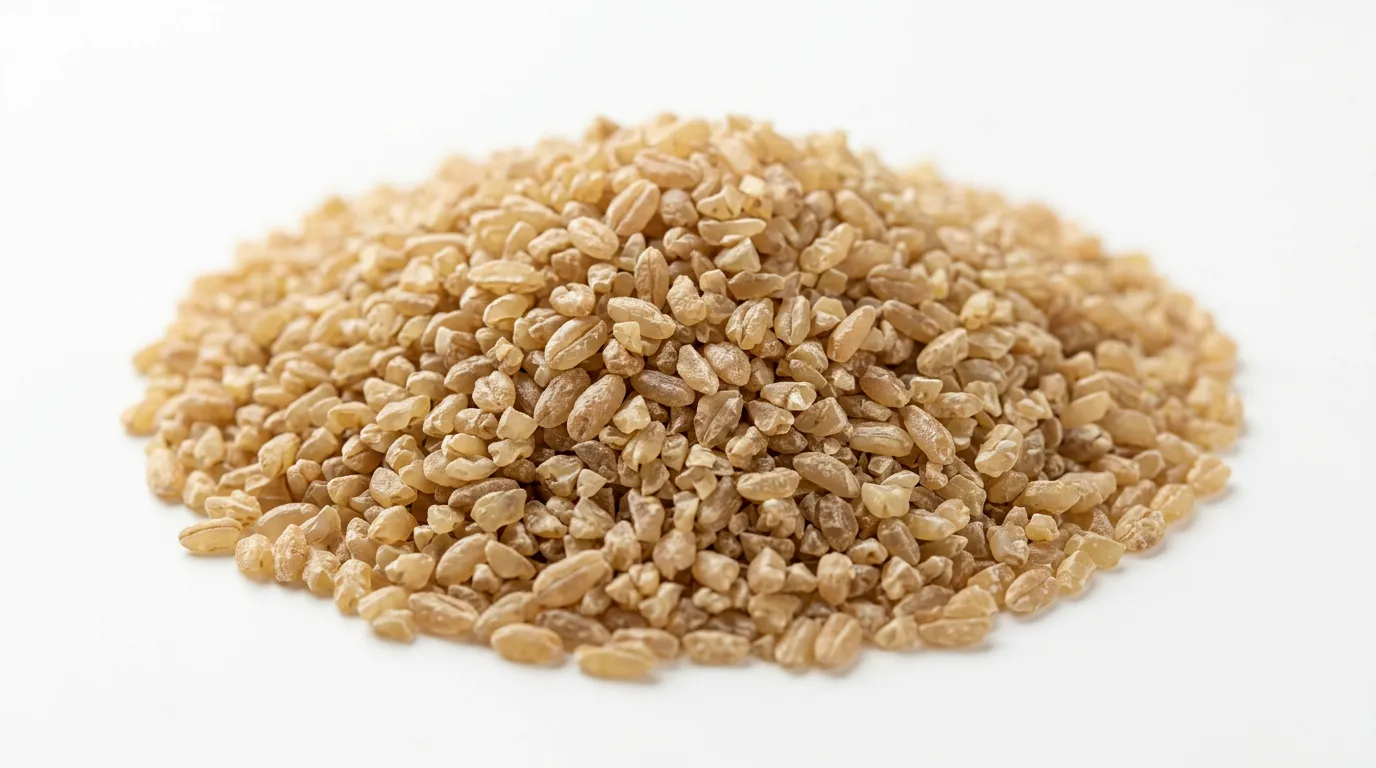
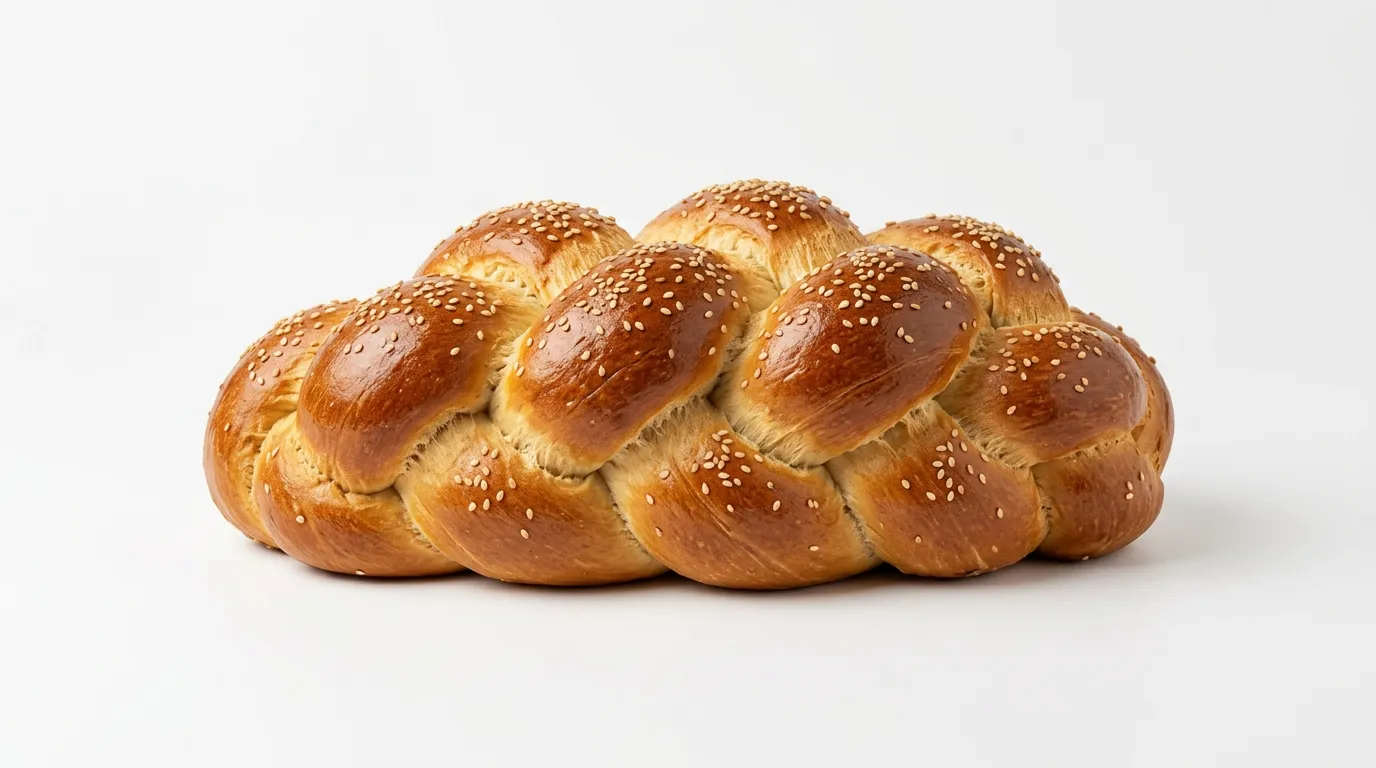
Wheat is a cereal grain used in many familiar foods, including porridge, pasta, bread, pancakes, couscous, and soft baked goods. For babies and toddlers, wheat can be a practical way to offer energy-rich foods in many textures, from smooth infant cereal to soft pasta and tender pieces of bread. It provides carbohydrates for energy, some protein, and fiber when served in whole wheat forms. Whole wheat also contains important nutrients such as iron, zinc, folate, and other B vitamins that support growth and development. Because wheat is often paired with iron-rich foods like beans, meat, egg, or lentils, it can be part of balanced meals for little ones. Wheat is a common allergen, so it should be introduced thoughtfully. A wheat allergy is different from celiac disease and from non-celiac gluten sensitivity, but all may require medical guidance. Reactions can happen with first exposures or after wheat has been eaten before, so watch closely when offering it for the first few times. Most babies can start wheat from 6 months old in soft, easy-to-manage forms such as iron-fortified wheat cereal, soft porridge, or very soft pasta. As chewing skills improve, you can move to shredded bread, pancakes, noodles, couscous, and other soft wheat foods cut into age-appropriate pieces. Avoid dry, tough, or sticky preparations that are harder to chew safely.
How to serve by age
Offer smooth or slightly textured wheat porridge on a spoon, or let baby self-feed a thick cereal from a preloaded spoon. You can also serve very soft wheat pancakes or well-cooked pasta cut into large graspable pieces.
Serve well-cooked pasta, moist couscous that clumps together, or soft strips of bread without hard crusts. Cut foods into small soft pieces as your baby develops a pincer grasp.
Offer bite-sized pieces of soft bread, noodles, pancakes, or wheat-based casseroles. Pair with protein, vegetables, and healthy fats to make balanced meals.
Toddlers can usually manage a wider variety of wheat foods such as toast strips, soft sandwiches, pasta dishes, and grain salads, as long as textures are not overly dry, chewy, or tough.
Pairs well with
Safety & allergens
Wheat itself is usually low risk when served soft and moist, but the form matters. Offer wheat as smooth cereal, soft porridge, well-cooked pasta, or bread softened with liquid. Avoid dry crackers, thick doughy bread chunks, sticky spoonfuls of dense pasta, and loose hard grains that can scatter in the mouth.
What to watch for
Safety checklist
Storage & shelf life
Refrigerate cooked wheat, porridge, pasta, or other prepared wheat foods in an airtight container for 3-5 days.
Freeze cooked wheat dishes or porridge in an airtight container for up to 3 months. Thaw in the refrigerator and reheat until steaming, then cool before serving.
Nutrition
- Provides carbohydrates for energy
- Whole wheat contains fiber to support digestion
- Offers some iron and zinc for growth and development
- Contains B vitamins that help the body use energy
- Wheat is a common allergen
- Refined wheat products are lower in fiber than whole wheat
- Many wheat foods can be low in fat and need pairing with other nutrient-rich foods
- Dry or dense wheat products can be harder for babies to manage safely
Key nutrients
Nutrition facts
| Calories | 250kcal |
|---|---|
| Protein | 10.2g |
| Carbs | 48.9g |
| Fat | 1.5g |
| Fiber | 4.1g |
| Sugar | 6.1g |
| Iron | 2.8mg |
| Calcium | 20.0mg |
| Potassium | 165mg |
| Folate | 108µg |
| Zinc | 1.10mg |
per 100 g
In season
Common questions
When can babies eat Wheat?
Is Wheat a choking hazard?
Is Wheat a common allergen?
More first foods

Track Wheat and everything your baby eats
Log meals and reactions, get allergen alerts, and see your baby's food journey at a glance in the Alimoo app.


Backed by