
About Bread
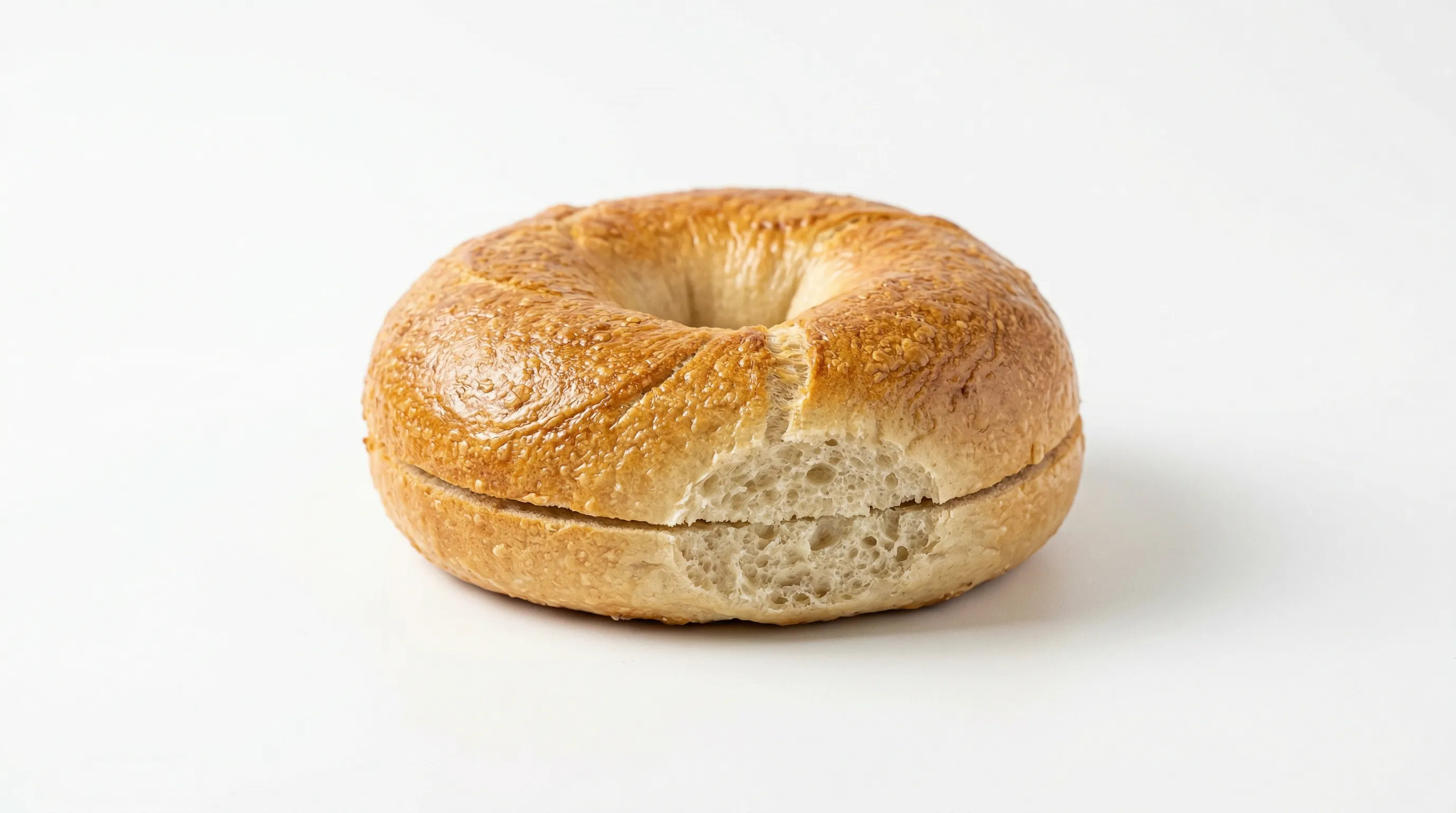
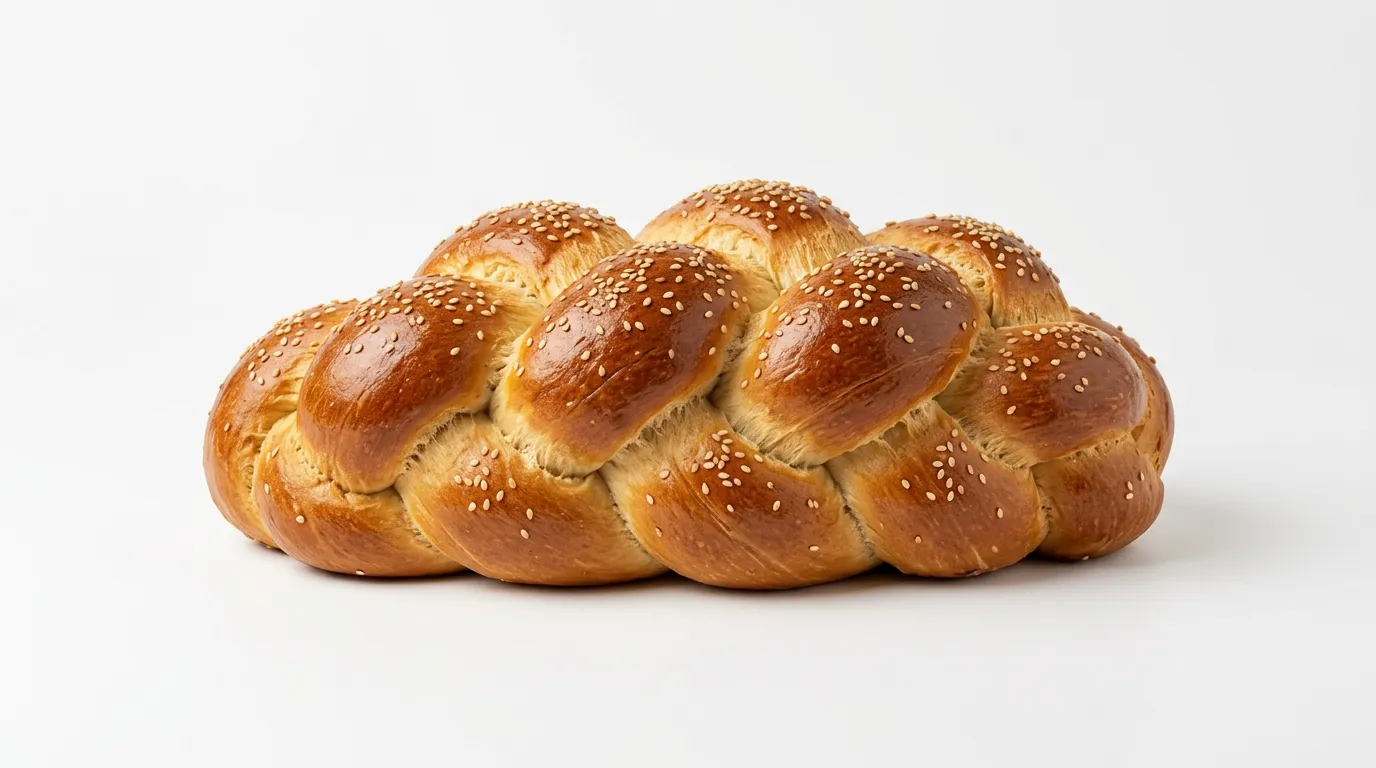
Bread can be a convenient food for babies and toddlers because it is easy to find, simple to serve, and pairs well with many nutritious toppings and spreads. For young babies, however, bread needs extra care because soft, doughy pieces can clump into a sticky ball in the mouth and increase choking risk. Bread mainly provides carbohydrates for energy, and whole grain or enriched breads may also offer fiber, iron, folate, and B vitamins that support growth and development. Nutritional value varies widely depending on the type of bread, so choosing lower-sodium options with simple ingredients is often best for babies and toddlers. Bread is often made with common allergens such as wheat, milk, egg, or sesame, and some varieties may also contain soy or nuts. Read labels carefully, especially for packaged breads, and avoid breads made with honey for babies under 12 months. Seeded breads can also be harder and less safe for early eaters. Most babies can start bread around 6 months if it is served in a safer form, such as a firm, well-toasted strip that does not gum up easily. As chewing skills improve, you can offer small pieces of toast, soft sandwich pieces, and eventually more typical servings like halves of sandwiches, always seated and closely supervised.
How to serve by age
Offer a large strip of well-toasted bread or a firm crusty piece that baby can hold and gnaw. Avoid soft sandwich bread and any piece that becomes pasty or sticky in the mouth.
Continue with toast fingers or small firm pieces once your baby is better at biting and chewing. Keep pieces manageable and avoid very soft centers that can ball up.
Offer bite-sized toast pieces, small sandwich squares, or soft bread if your toddler chews well. Watch closely with mixed textures like bread plus nut butter, avocado, or hummus.
Toddlers can usually manage a wider range of breads, including sandwiches and softer slices, but continue to avoid oversized bites and supervise closely during meals.
Pairs well with
Safety & allergens
Soft bread can compress into a sticky lump and be hard for babies to manage. For beginners, offer firm, well-toasted strips or crusty pieces that resist clumping. Avoid large mouthfuls of soft sandwich bread, dense doughy pieces, cracker-like sharp breads, and breads with large seeds or chunky mix-ins.
What to watch for
Safety checklist
Storage & shelf life
Store bread at room temperature or in the refrigerator according to package directions. Once opened, keep in a sealed bag or airtight container; if refrigerated, use within 3-5 days for best quality.
Freeze bread in a freezer-safe bag or airtight container for up to 3 months. Thaw slices as needed and toast before serving if helpful for texture.
Nutrition
- Provides carbohydrates for energy
- Whole grain and enriched breads can provide iron and folate
- Some breads contain fiber to support digestion
- Easy to pair with nutrient-rich toppings like avocado, hummus, or yogurt spreads
- Soft bread can be a choking risk for babies
- Nutrition varies widely by type and brand
- Many breads are relatively high in sodium
- Often low in protein and healthy fats unless paired with other foods
Key nutrients
Nutrition facts
| Calories | 408kcal |
|---|---|
| Protein | 10.4g |
| Carbs | 44.8g |
| Fat | 20.8g |
| Fiber | 2.1g |
| Sugar | 2.1g |
| Iron | 2.5mg |
| Calcium | 90.0mg |
| Potassium | 84mg |
| Vitamin A | 24.0µg |
| Folate | 159µg |
| Zinc | 0.96mg |
per 100 g
In season
Common questions
When can babies eat Bread?
Is Bread a choking hazard?
Is Bread a common allergen?
More first foods

Track Bread and everything your baby eats
Log meals and reactions, get allergen alerts, and see your baby's food journey at a glance in the Alimoo app.


Backed by