
About Buckwheat
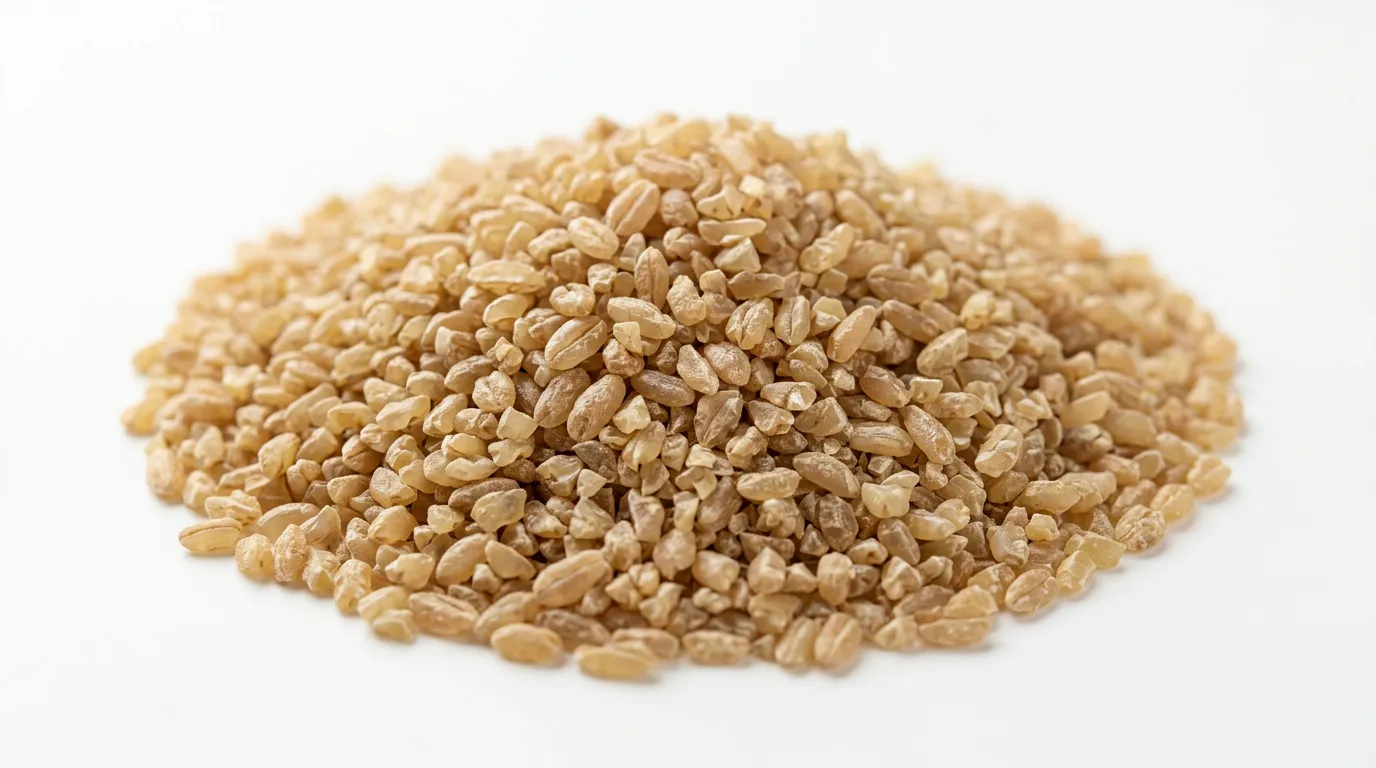
Buckwheat is a naturally gluten-free seed that is cooked and eaten like a grain. It has a mild, earthy flavor and can be served as soft porridge, tender groats, pancakes, or noodles, making it a versatile option for babies and toddlers learning to eat a wide range of textures. It provides complex carbohydrates for energy, fiber to support digestion, and useful minerals including magnesium, manganese, zinc, and iron. Buckwheat also contains some protein and can help add variety to a child's diet, especially when paired with foods rich in vitamin C or iron-containing foods like beans, meat, or eggs. Buckwheat is not one of the major priority allergens, but allergic reactions are possible and are reported more often in some parts of Asia. Children with pollen-related oral allergy symptoms may occasionally react as well. Serve it fully cooked and soft, and avoid dry, loose spoonfuls of grains that can scatter in the mouth. Most babies can start buckwheat from 6 months old as a smooth porridge or very soft, well-bound grains. As chewing skills improve, you can offer thicker porridge, soft patties, pancakes, and tender noodles cut into manageable lengths. For toddlers, buckwheat can be served as part of family meals, as long as the texture stays moist and easy to manage.
How to serve by age
Cook buckwheat well and serve as a smooth porridge, or mash very soft groats with breast milk, formula, water, broth, or another familiar food so the texture is moist and easy to swallow.
Offer soft buckwheat groats that clump together, small pieces of soft buckwheat pancake, or tender soba noodles cut into short lengths. Avoid dry or scattered grains that are harder to manage.
Serve cooked buckwheat groats, patties, pancakes, or noodles in age-appropriate pieces. Keep textures moist and encourage self-feeding with fingers or utensils.
Toddlers can enjoy buckwheat in bowls, soups, pancakes, and noodle dishes. Continue to cut long noodles and serve moist preparations to reduce choking risk.
Pairs well with
Safety & allergens
Buckwheat is low risk when cooked until very soft and served moist. For younger babies, offer smooth porridge or mash cooked groats so they clump together. Avoid dry, loose grains or large sticky mouthfuls. Cut noodles into shorter lengths and supervise closely.
What to watch for
Safety checklist
Storage & shelf life
Store cooked buckwheat or buckwheat porridge in an airtight container in the refrigerator for 3-5 days.
Freeze cooked buckwheat or porridge in an airtight container for up to 3 months. Thaw in the refrigerator and reheat until steaming, then cool before serving.
Nutrition
- Provides complex carbohydrates for steady energy
- Contains fiber to support healthy digestion
- Offers iron and zinc for growth and development
- Naturally gluten-free for families avoiding wheat
- Not as iron-rich as many meats or legumes
- Can be dry and harder to manage if served plain
- Contains little vitamin C, so pair with fruits or vegetables
Key nutrients
Nutrition facts
| Calories | 343kcal |
|---|---|
| Protein | 13.2g |
| Carbs | 71.5g |
| Fat | 3.4g |
| Fiber | 10.0g |
| Iron | 2.2mg |
| Calcium | 18.0mg |
| Potassium | 460mg |
| Folate | 30µg |
| Zinc | 2.40mg |
per 100 g
In season
Common questions
When can babies eat Buckwheat?
Is Buckwheat a choking hazard?
Is Buckwheat a common allergen?
More first foods

Track Buckwheat and everything your baby eats
Log meals and reactions, get allergen alerts, and see your baby's food journey at a glance in the Alimoo app.


Backed by