
About Teff
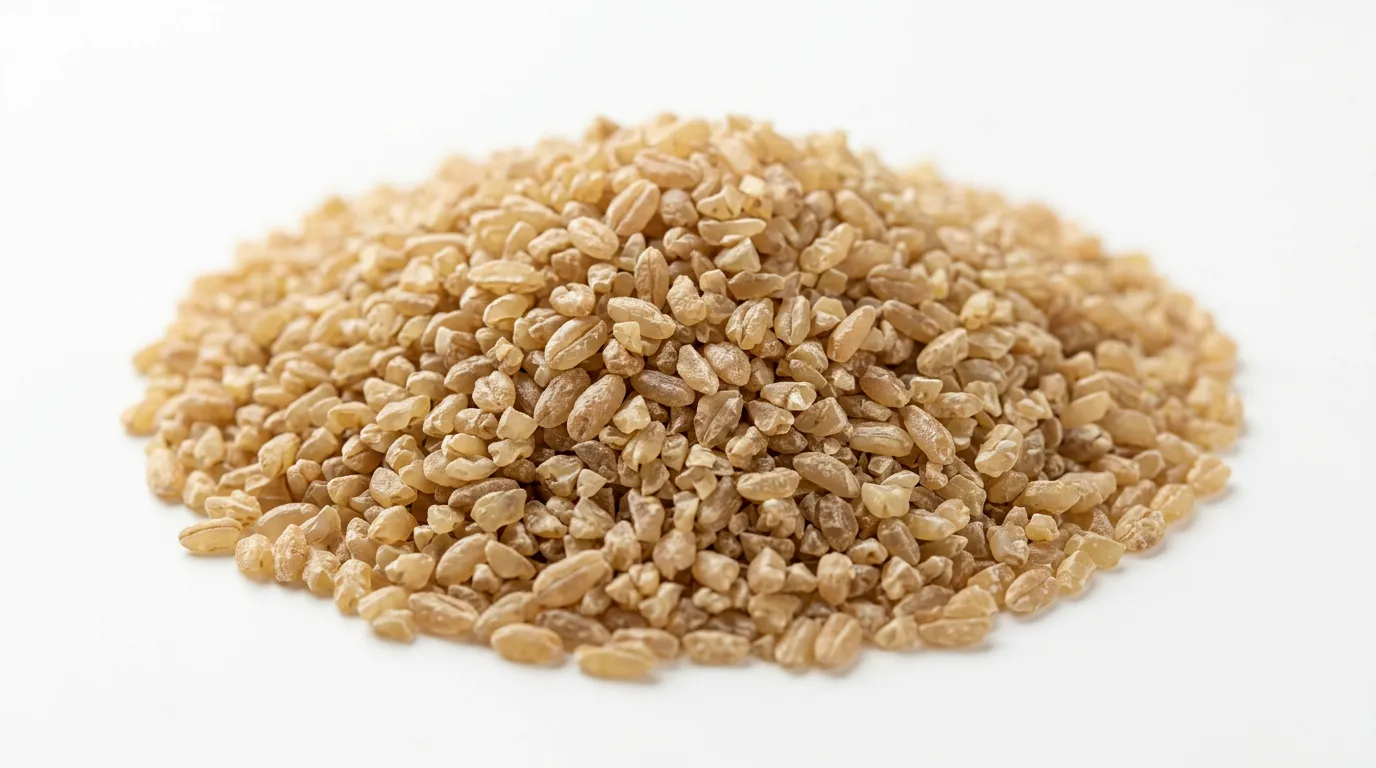
Teff is a tiny ancient grain originally from Ethiopia and Eritrea. It can be cooked into a smooth porridge, used as flour in pancakes or baked foods, or fermented into traditional flatbreads like injera. For babies, teff is a useful early grain because it can be prepared soft and spoonable while also offering a mild, earthy flavor. Teff provides carbohydrates for energy along with fiber for digestion. It is especially valued for its iron content, and it also contains calcium, protein, and folate to support growth and development. Because teff is naturally gluten-free, it can be a helpful grain option for families avoiding wheat, barley, or rye. Teff is not a common allergen, and allergic reactions are uncommon. Even so, any new food can cause a reaction, so offer a small amount the first time and watch closely. When serving teff, the main safety issue is texture: keep porridge thick enough to cling to a spoon and avoid thin, runny preparations that can be harder for young babies to manage. Most babies can start teff from 6 months old as a thick porridge or preloaded spoon. As chewing skills improve, teff can be offered in soft pancakes, fritters, or mixed into stews and other family meals. For toddlers, teff works well in porridges, baked foods, and soft pieces of injera served with supervision.
How to serve by age
Cook teff until very soft and serve as a thick porridge that clings to the spoon. You can preload a spoon for baby to self-feed or offer small spoonfuls. Avoid thin, watery cereal textures.
Offer soft teff pancakes or fritters cut into strips or small pieces once your baby is managing more texture. Make sure they are moist and easy to gum or chew.
Serve teff in family meals such as thick porridges, mixed into stews, or as soft pieces of injera for dipping. Keep pieces manageable and continue close supervision.
Toddlers can enjoy teff in porridge, baked goods, pancakes, or soft flatbread as part of regular meals. Continue to avoid very dry, hard, or overly crumbly preparations.
Pairs well with
Safety & allergens
Teff is low risk when served in a soft, moist form. For younger babies, offer thick porridge that clings to a spoon rather than thin, runny cereal. For older babies and toddlers, serve soft pancakes, fritters, or injera pieces cut into manageable sizes and avoid dry, crumbly preparations.
What to watch for
Safety checklist
Storage & shelf life
Store dry teff grain or teff flour in a sealed container in a cool, dry place away from heat and light. Once cooked, refrigerate teff porridge or other cooked teff dishes in an airtight container and use within 3-4 days.
Freeze teff flour or dry grain to extend freshness, especially for long storage. Cooked teff porridge, pancakes, or injera can also be frozen in airtight portions for up to 3 months and thawed in the refrigerator before serving.
Nutrition
- Provides iron to support healthy blood and brain development
- Contains fiber to help support digestion
- Offers carbohydrates for steady energy
- Provides calcium and folate for growth
- Not a major source of vitamin C
- Contains plant-based iron, which is absorbed better when paired with vitamin C-rich foods
- Dry or crumbly teff foods may be harder for younger babies to manage
Key nutrients
Nutrition facts
| Calories | 101kcal |
|---|---|
| Protein | 3.9g |
| Carbs | 19.9g |
| Fat | 0.7g |
| Fiber | 2.8g |
| Iron | 2.0mg |
| Calcium | 49.0mg |
| Potassium | 107mg |
| Folate | 18µg |
| Zinc | 1.11mg |
per 100 g
In season
Common questions
When can babies eat Teff?
Is Teff a choking hazard?
Is Teff a common allergen?
More first foods

Track Teff and everything your baby eats
Log meals and reactions, get allergen alerts, and see your baby's food journey at a glance in the Alimoo app.


Backed by