
About Semolina
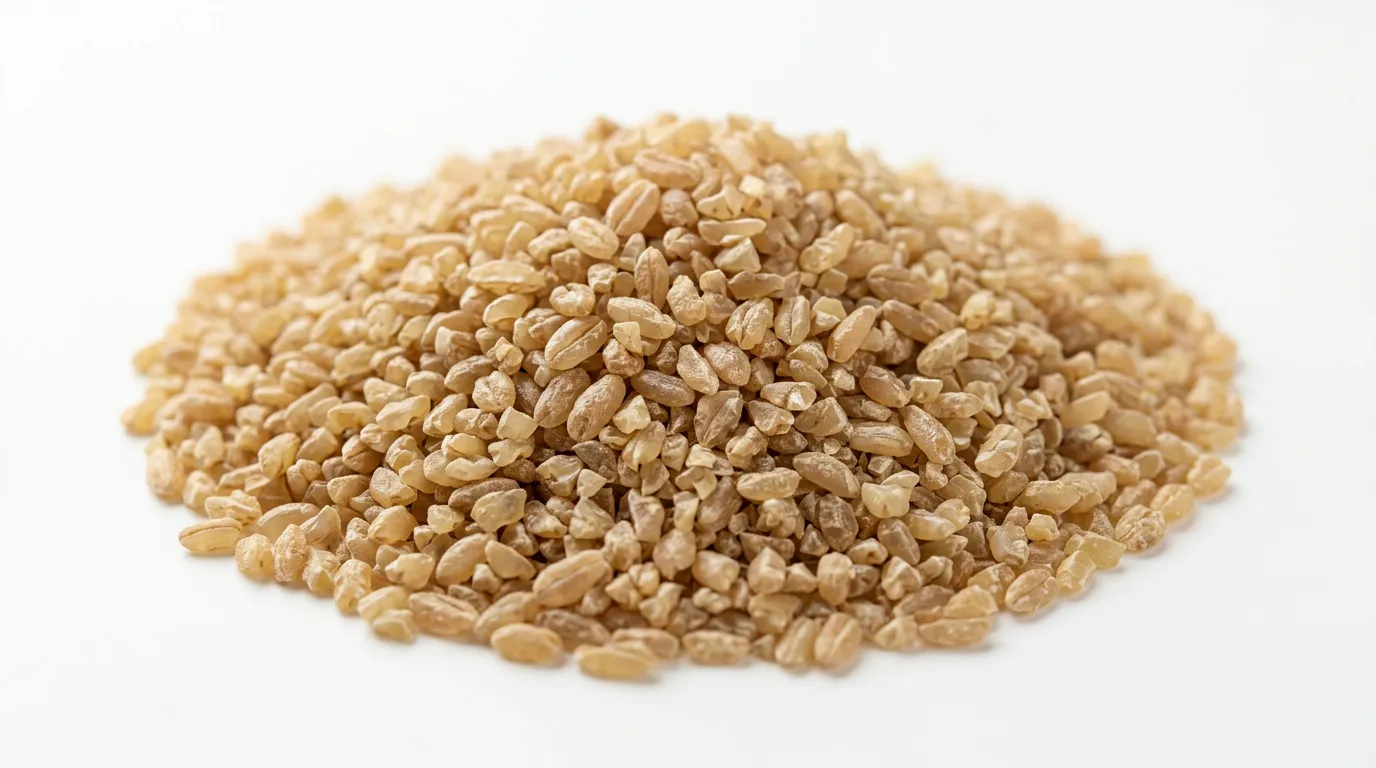
Semolina is a coarse flour made from durum wheat. It is commonly cooked into a smooth porridge, used in soft puddings, or added to foods like pancakes, dumplings, and pasta. For babies, semolina can be a useful early grain because it cooks quickly and can be served in a soft, easy-to-eat texture. Semolina provides carbohydrates for energy and contains some protein, iron, and folate. Enriched semolina products may offer more iron and B vitamins than unenriched versions, which can help support growth and energy metabolism. On its own, semolina is not especially rich in vitamin C, healthy fats, or zinc, so it works best as part of a balanced meal with fruit, yogurt, beans, eggs, meat, or healthy fats. Because semolina is made from wheat, it is a common allergen and contains gluten. Introduce it like other wheat foods: offer a small amount the first time and watch for symptoms such as rash, vomiting, swelling, or breathing changes. If your child has celiac disease, suspected gluten intolerance, or a diagnosed wheat allergy, semolina should only be offered under medical guidance or avoided as advised. Most babies can start semolina from 6 months old when it is cooked into a smooth, thick porridge that is easy to scoop or self-feed. As your baby develops, you can offer thicker semolina, then soft patties, dumplings, or semolina-based foods cut into safe pieces. Avoid dry, clumpy, or sticky servings, and always serve seated with close supervision.
How to serve by age
Cook semolina with water, breast milk, formula, or milk as appropriate for your child's age until smooth and thick enough to cling to a spoon. You can mix in mashed fruit or vegetable puree for flavor and nutrition.
Offer thicker semolina that baby can scoop with fingers or a preloaded spoon. You can also serve very soft semolina patties, pancakes, or dumplings cut into strips or small pieces once your baby is managing more texture.
Serve semolina in thicker porridges, soft baked dishes, pasta, casseroles, or dumplings. Keep portions moist and easy to chew, and cut foods into manageable bite-size pieces.
Pairs well with
Safety & allergens
Semolina is low risk when fully cooked and served moist. For younger babies, offer smooth porridge or a thick scoopable texture rather than thin, runny cereal. Avoid dry granules, stiff clumps, or large sticky mouthfuls. If serving semolina in patties, dumplings, or baked dishes, make sure pieces are soft and cut into age-appropriate sizes.
What to watch for
Safety checklist
Storage & shelf life
Store dry semolina in a cool, dry place in an airtight container. Once cooked, refrigerate in a covered container and use within 2-3 days.
Cooked semolina can be frozen in airtight portions for up to 3 months. Thaw in the refrigerator and reheat until hot, adding liquid as needed to restore a soft texture.
Nutrition
- Provides carbohydrates for energy
- Contains some iron and folate
- Offers protein from a grain source
- Can be enriched with B vitamins and iron
- Contains wheat and gluten, which are not suitable for some children
- Low in vitamin C
- Not a significant source of healthy fats
- Works best paired with more iron-rich or nutrient-dense foods
Key nutrients
Nutrition facts
| Calories | 360kcal |
|---|---|
| Protein | 12.7g |
| Carbs | 72.8g |
| Fat | 1.1g |
| Fiber | 3.9g |
| Iron | 4.4mg |
| Calcium | 17.0mg |
| Potassium | 186mg |
| Folate | 261µg |
| Zinc | 1.05mg |
per 100 g
In season
Common questions
When can babies eat Semolina?
Is Semolina a choking hazard?
Is Semolina a common allergen?
More first foods

Track Semolina and everything your baby eats
Log meals and reactions, get allergen alerts, and see your baby's food journey at a glance in the Alimoo app.


Backed by