
About Rye
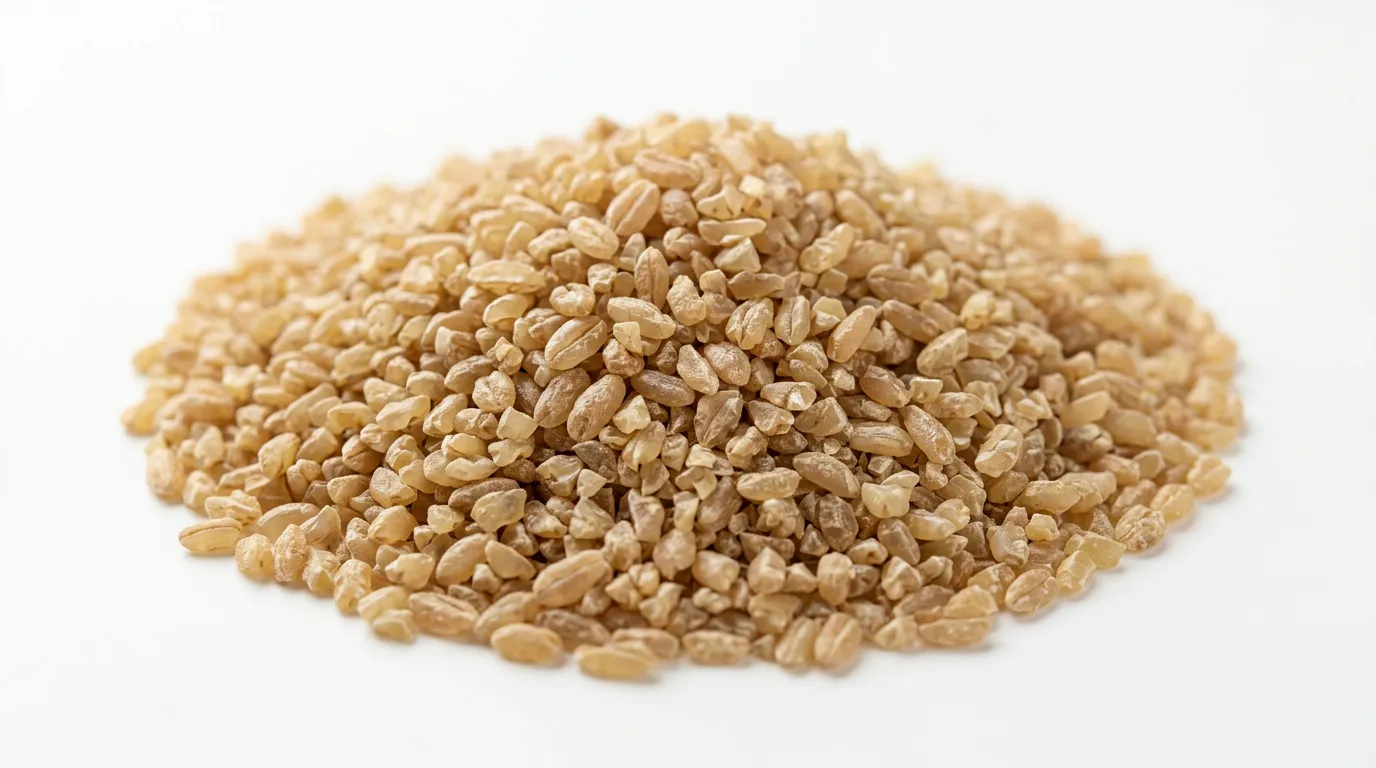
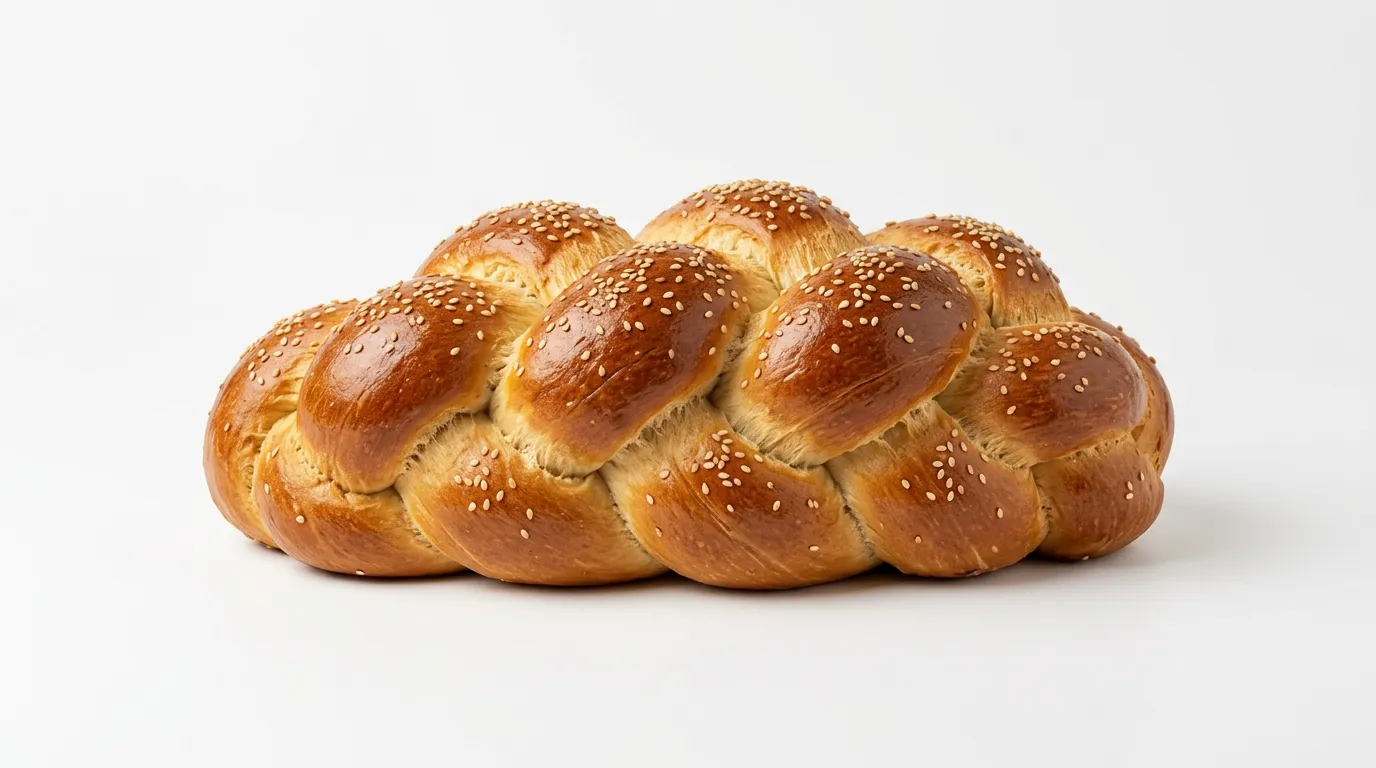
Rye is a cereal grain used to make breads, porridges, crackers, pancakes, and cooked grain dishes. For babies and toddlers, rye can add variety to the diet and is often offered as soft porridge or well-toasted bread in age-appropriate pieces. Rye provides carbohydrates for energy along with fiber, iron, and small amounts of zinc and folate. Whole grain rye is especially rich in fiber, which can help support digestion and bowel regularity. Because rye is not a major source of fat or vitamin C, it is best paired with foods that provide healthy fats and iron-absorption support, such as yogurt, avocado, beans, meat, or fruit. Rye is not one of the major food allergens, but it does contain gluten. That means it is not appropriate for children with celiac disease, wheat allergy with possible cross-reactivity, or medically confirmed gluten intolerance. Some rye breads also contain wheat, sesame, milk, or other allergens, so always read labels carefully. Most babies can start rye from 6 months old in soft, easy-to-manage forms such as rye porridge or well-moistened, well-toasted bread strips. As chewing skills improve, you can offer small pieces of soft rye pancakes, toast fingers, and bite-sized portions of rye bread. Avoid loose whole rye berries for young babies, as they can be hard to manage safely.
How to serve by age
Offer rye as a smooth or slightly textured porridge made from rye flakes or flour, or as well-toasted bread strips large enough for baby to grasp. Avoid dense, gummy bread textures and do not offer loose whole rye berries.
As your baby develops a pincer grasp, offer thicker rye porridge, small soft pieces of rye pancake, or bite-size pieces of well-toasted rye bread. Make sure pieces are easy to mash with the gums.
Offer bite-sized pieces of rye bread, soft rye pancakes, or mixed dishes made with cooked rye in textures your toddler can chew well. Continue to avoid hard, dry, or very seedy products that may be difficult to manage.
Toddlers can enjoy rye in sandwiches, toast fingers, porridges, and other family meals. Keep portions manageable, supervise closely, and watch for breads that become sticky or clump in the mouth.
Pairs well with
Safety & allergens
Cooked rye porridge is generally low risk when served thick enough to scoop, not runny. Rye bread can become gummy and clump in the mouth, so offer it well-toasted or softened appropriately and cut into age-appropriate pieces. Avoid offering whole rye berries directly to young babies, and always supervise closely.
What to watch for
Safety checklist
Storage & shelf life
Store dry rye flour, flakes, or grains in an airtight container in a cool, dry place. Cooked rye porridge or prepared rye dishes can be refrigerated in an airtight container for 3-5 days.
Freeze cooked rye porridge, pancakes, or bread portions in an airtight container for up to 3 months. Thaw in the refrigerator and reheat until warm, then cool before serving.
Nutrition
- Provides carbohydrates for steady energy
- Whole grain rye is rich in fiber for digestive health
- Contains iron to support growth and development
- Provides some zinc and folate
- Contains gluten and is not suitable for children with celiac disease
- Not a major source of vitamin C
- Can be low in fat unless paired with other foods
- Some rye breads can be dense or gummy for young eaters
Key nutrients
Nutrition facts
| Calories | 259kcal |
|---|---|
| Protein | 8.5g |
| Carbs | 48.3g |
| Fat | 3.3g |
| Fiber | 5.8g |
| Sugar | 3.9g |
| Iron | 2.8mg |
| Calcium | 73.0mg |
| Potassium | 166mg |
| Vitamin C | 0mg |
| Folate | 151µg |
| Zinc | 1.14mg |
per 100 g
In season
Common questions
When can babies eat Rye?
Is Rye a choking hazard?
Is Rye a common allergen?
More first foods

Track Rye and everything your baby eats
Log meals and reactions, get allergen alerts, and see your baby's food journey at a glance in the Alimoo app.


Backed by