
About Couscous
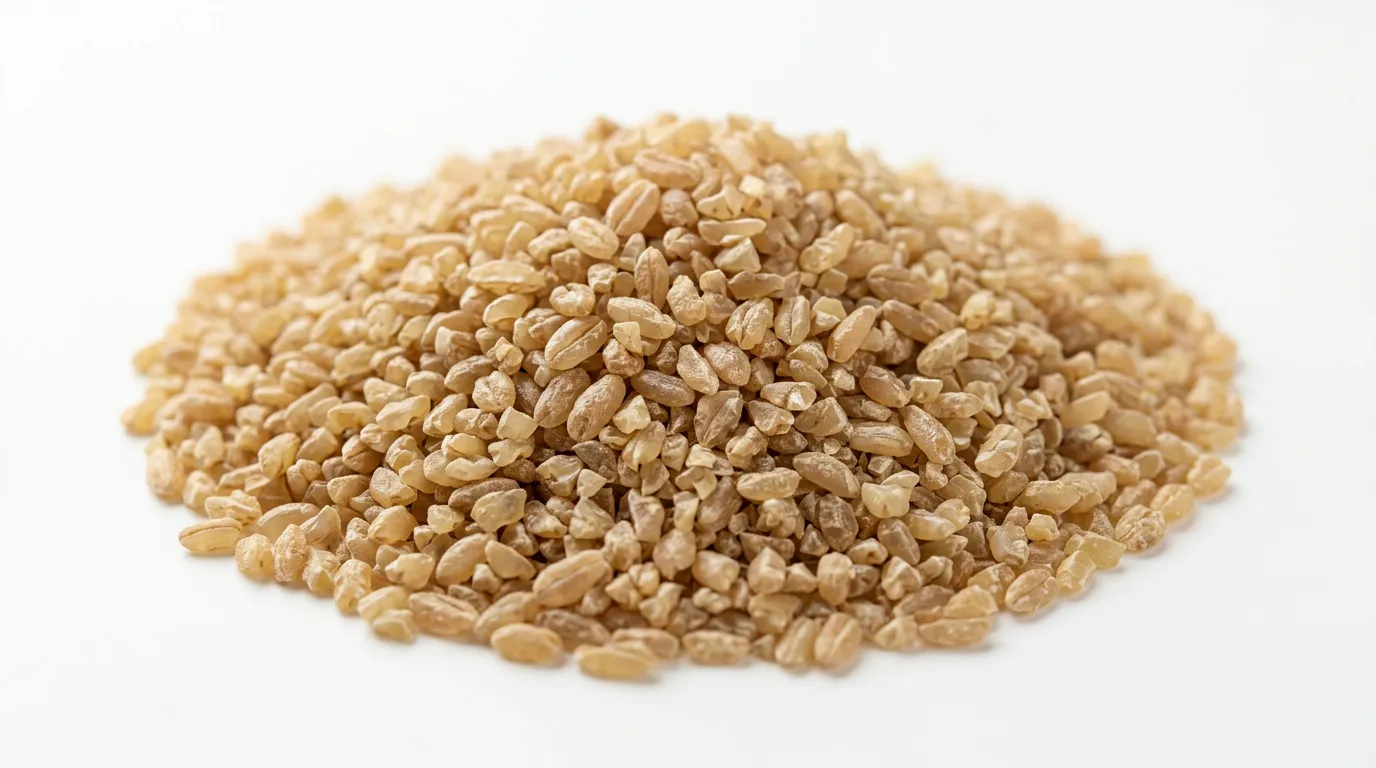
Couscous is a small pasta made from semolina wheat that becomes soft and fluffy when cooked. It can be a useful food for babies because it is mild in flavor, easy to mix with other foods, and simple to serve as part of a balanced meal. It mainly provides carbohydrates for energy, along with small amounts of protein, selenium, and some B vitamins including folate. Couscous is not especially rich in iron or fat, so it is best paired with iron-rich and nutrient-dense foods such as beans, lentils, egg, meat, fish, yogurt, or vegetables cooked with olive oil. Because couscous is made from wheat, it is a common allergen. Introduce it like other wheat foods by offering a small amount at first and watching for signs of an allergic reaction. Texture also matters: tiny grains can scatter in the mouth, and larger pearl-style couscous can be a choking risk if served whole. Most babies can start couscous from 6 months old once it is fully cooked and moistened so it clumps together. For younger babies, mix it with a soft binding food like yogurt, mashed vegetables, or a thick sauce. As your child gets older, you can offer fluffier couscous, spoon practice, and mixed dishes with soft vegetables and proteins.
How to serve by age
Cook couscous until tender and mix it with mashed vegetables, yogurt, bean puree, or a thick sauce so the grains clump together. This makes it easier for beginners to pick up and swallow safely.
Offer soft, moist couscous in small clumps or as a scoopable mixture with finely chopped vegetables, lentils, egg, or shredded meat. This works well once your baby is improving hand-to-mouth skills and pincer grasp.
Serve couscous as part of a mixed dish with soft vegetables, beans, fish, or meat. Encourage spoon practice, but keep the texture moist rather than dry and loose.
Toddlers can usually manage regular couscous and well-cooked pearl couscous in mixed meals. Continue to supervise closely and avoid serving larger pearls firm or plain if your child tends to swallow quickly.
Pairs well with
Safety & allergens
Cook couscous until very soft and moisten it so the grains stick together rather than staying dry and loose. For babies, mix with a soft binding food like yogurt, mashed vegetables, or sauce. Avoid serving dry couscous, and use extra caution with larger pearl couscous, which should be cooked very soft and mashed or cut if needed.
What to watch for
Safety checklist
Storage & shelf life
Refrigerate cooked couscous in an airtight container for 3-5 days. Reheat until steaming hot, then cool to a safe serving temperature before offering.
Freeze cooked couscous in an airtight container for up to 3 months. Thaw in the refrigerator and reheat thoroughly before serving.
Nutrition
- Provides carbohydrates for energy
- Contains some protein for growth
- Offers folate and other B vitamins
- Easy to combine with vegetables, beans, and proteins
- Contains wheat, a common allergen
- Not a strong source of iron
- Low in fat, so it may need nutrient-rich additions
- Can be dry or hard to manage if not moistened well
Key nutrients
Nutrition facts
| Calories | 112kcal |
|---|---|
| Protein | 3.8g |
| Carbs | 23.2g |
| Fat | 0.2g |
| Fiber | 1.4g |
| Sugar | 0.1g |
| Iron | 0.4mg |
| Calcium | 8.0mg |
| Potassium | 58mg |
| Folate | 15µg |
| Zinc | 0.26mg |
per 100 g
In season
Common questions
When can babies eat Couscous?
Is Couscous a choking hazard?
Is Couscous a common allergen?
More first foods

Track Couscous and everything your baby eats
Log meals and reactions, get allergen alerts, and see your baby's food journey at a glance in the Alimoo app.


Backed by