
About Pulasan
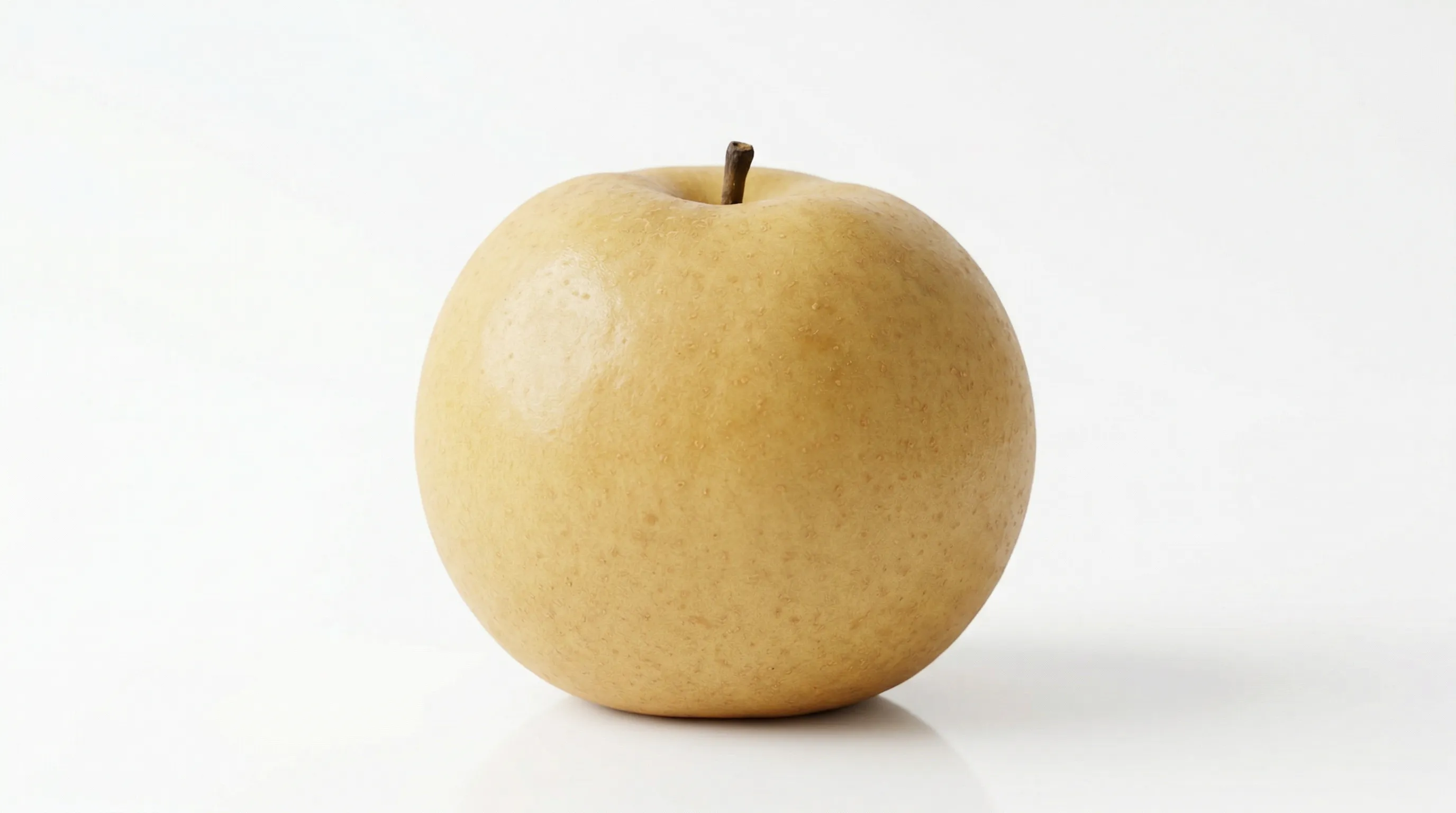
Pulasan is a tropical fruit related to rambutan and lychee, with sweet, juicy flesh inside a thick outer shell. For babies and toddlers, the edible flesh can be offered once the shell and large inner seed are completely removed. Its soft, slippery texture can work well when finely chopped and mixed into other foods. Pulasan provides carbohydrates for energy and contains vitamin C, which supports immune function and helps the body absorb iron from other foods. It also offers small amounts of potassium and calcium. While it can be a fun fruit for variety, it is not especially rich in iron, protein, or fat, so it is best served alongside more nutrient-dense foods. Pulasan is not a common allergen, and true allergy appears to be uncommon. Still, any new food can cause a reaction. Some children with pollen-related oral allergy symptoms may notice mild itching or tingling in the mouth. The biggest safety concern is choking: the shell is inedible, and the large hard seed must always be removed before serving. Most babies can try pulasan from 6 months old if the flesh is offered in a very safe form, such as finely chopped and mixed into yogurt, porridge, or mashed fruit. As chewing skills improve, you can offer small soft pieces. Do not offer whole fruit with the seed to babies or young toddlers.
How to serve by age
Remove the shell and seed completely, then finely chop the soft flesh. Mix into yogurt, porridge, or mashed fruit so it is easier for baby to manage safely.
Offer small soft pieces once your baby is developing a pincer grasp and handling mixed textures well. Check carefully that no seed fragments or tough bits remain.
Serve bite-sized pieces of peeled, fully seedless pulasan. Encourage small bites and supervise closely because the fruit can still be slippery.
A preschooler can practice biting from a whole peeled pulasan only if the seed has been removed first. Continue to supervise and remind your child not to stuff large pieces into the mouth.
Pairs well with
Safety & allergens
Pulasan has a large hard seed and slippery flesh, making it a higher-risk fruit if served carelessly. Always remove the shell and seed completely. For younger babies, finely chop the flesh and mix into soft foods. For older babies and toddlers, offer only small soft pieces and avoid large slippery chunks or whole peeled fruit.
What to watch for
Safety checklist
Storage & shelf life
Store whole pulasan in the refrigerator and use within a few days once ripe. After peeling, refrigerate the flesh in an airtight container and use within 3-5 days.
Freeze peeled, seedless pulasan flesh in an airtight container for up to 3 months. Thaw in the refrigerator before serving.
Nutrition
- Provides carbohydrates for energy
- Contains vitamin C to support immune health and iron absorption
- Offers some potassium for muscle and nerve function
- Can add fruit variety and flavor to meals
- Not a significant source of iron
- Low in protein
- Low in fat
- Can be high in natural sugars compared with its fiber content
Key nutrients
Nutrition facts
| Calories | 72kcal |
|---|---|
| Protein | 0.8g |
| Carbs | 24.0g |
| Fat | 0.2g |
| Fiber | 0.9g |
| Sugar | 19.0g |
| Iron | 0.1mg |
| Calcium | 22.0mg |
| Potassium | 178mg |
| Vitamin C | 12mg |
| Folate | 8µg |
per 100 g
In season
Common questions
When can babies eat Pulasan?
Is Pulasan a choking hazard?
Is Pulasan a common allergen?
More first foods

Track Pulasan and everything your baby eats
Log meals and reactions, get allergen alerts, and see your baby's food journey at a glance in the Alimoo app.


Backed by