
About Açaí
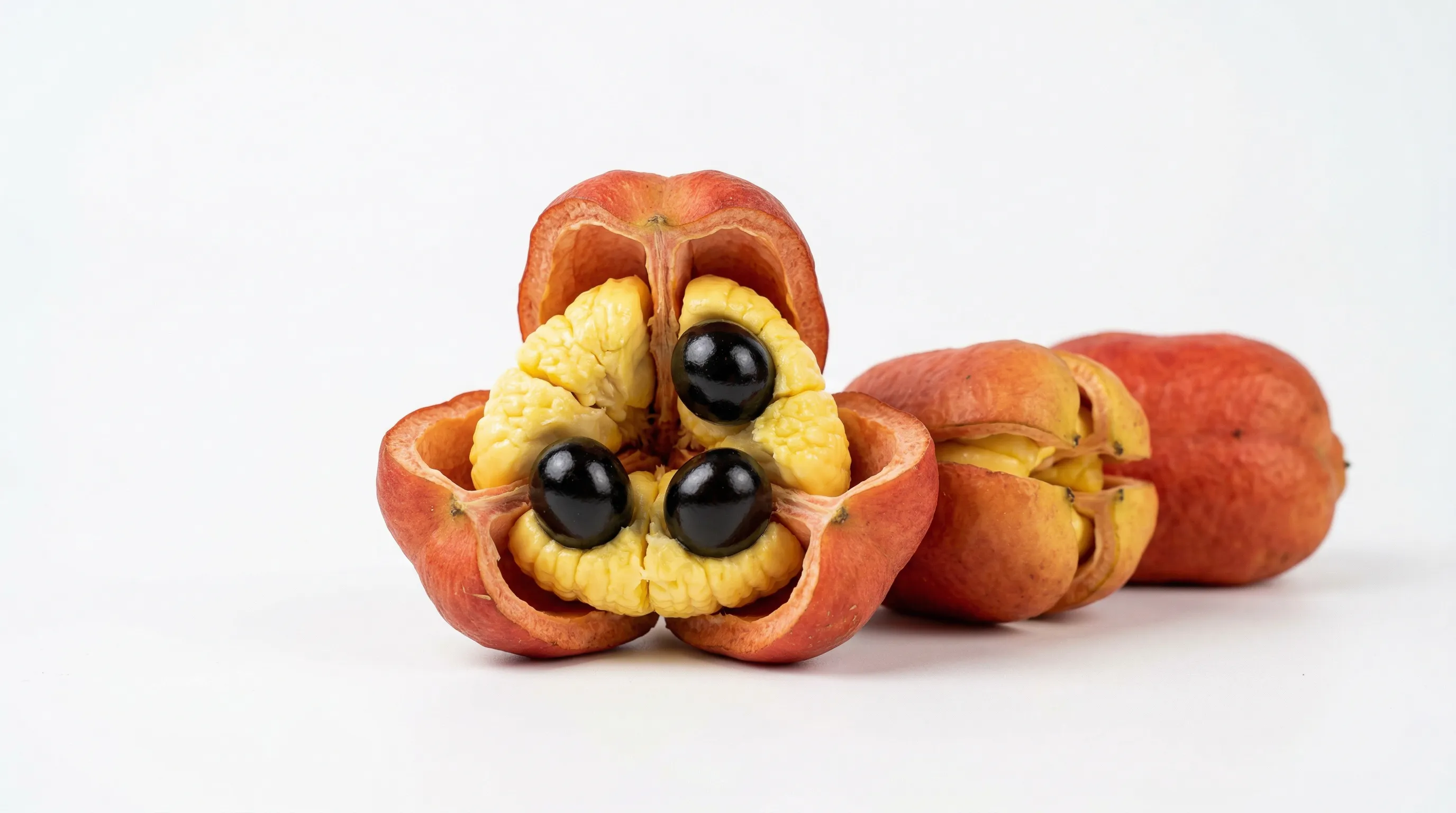
Açaí is a deep purple fruit from the açaí palm, most often sold outside its growing region as frozen unsweetened pulp or purée rather than as whole berries. For babies and toddlers, it can be a flavorful addition to meals when served plain, smooth, and fully seed-free. Its naturally rich color and mild berry-like taste pair well with familiar foods like oatmeal, yogurt, and mashed fruit. Unsweetened açaí provides fiber to support digestion, small amounts of healthy fats for energy, and antioxidant plant compounds that help protect cells. It also contributes modest amounts of calcium, potassium, and vitamin A. Açaí is not a major source of iron or protein, so it works best as part of a balanced meal alongside iron-rich foods. Açaí is not a common allergen, but reactions are still possible. The bigger concern is often the product itself: many packaged açaí blends and bowls contain added sugar, guarana or other caffeine-containing ingredients, honey, milk, soy, or tree nuts. Whole açaí berries should never be offered to babies because they contain a large seed, and commercial bowls may include hard toppings that raise choking risk. Most babies can start açaí from 6 months old if it is offered as smooth, unsweetened, fully thawed pulp or purée mixed into soft foods. As your child gets older, you can serve thicker spoonable mixtures and simple smoothie bowls with soft, age-appropriate toppings. Skip highly sweetened commercial açaí bowls and always supervise closely during meals.
How to serve by age
Serve a small amount of smooth, unsweetened, fully thawed açaí pulp or purée mixed into iron-rich oatmeal, plain yogurt, or mashed fruit. Make sure it is completely seed-free and do not add honey.
Offer açaí mixed into yogurt, oatmeal, or a thick spoonable smoothie base. Keep the texture smooth and use only soft toppings such as mashed banana or finely ground or soaked seeds if already introduced safely.
Serve unsweetened açaí in smoothies or simple bowls with soft fruit and other age-appropriate toppings. Avoid large crunchy toppings and continue to skip highly sweetened commercial açaí bowls.
Pairs well with
Safety & allergens
Low risk when served as smooth, seed-free, fully thawed unsweetened pulp or purée. Never offer whole açaí berries because they contain a large seed. Avoid frozen chunks and hard toppings such as whole nuts, large coconut flakes, or chunky granola.
What to watch for
Safety checklist
Storage & shelf life
Keep thawed açaí pulp refrigerated in an airtight container and use within 1-2 days. Follow package guidance for unopened frozen or shelf-stable products.
Freeze açaí pulp for up to 3 months in small portions. Thaw in the refrigerator before serving and do not refreeze once fully thawed.
Nutrition
- Provides fiber to support healthy digestion
- Contains healthy fats that add energy
- Offers antioxidant plant compounds
- Provides some calcium, potassium, and vitamin A
- Not a major source of iron
- Low in protein
- Packaged products are often sweetened or mixed with other ingredients
- Commercial açaí bowls may contain caffeine-containing additives or choking hazards
Key nutrients
Nutrition facts
| Calories | 68kcal |
|---|---|
| Protein | 0.9g |
| Carbs | 7.7g |
| Fat | 5.0g |
| Fiber | 5.9g |
| Iron | 0.6mg |
| Calcium | 20.8mg |
| Potassium | 110mg |
| Vitamin C | 42mg |
| Vitamin A | 28.6µg |
| Zinc | 0.23mg |
per 100 g
In season
Common questions
When can babies eat Açaí?
Is Açaí a choking hazard?
Is Açaí a common allergen?
More first foods

Track Açaí and everything your baby eats
Log meals and reactions, get allergen alerts, and see your baby's food journey at a glance in the Alimoo app.


Backed by