
About Peach
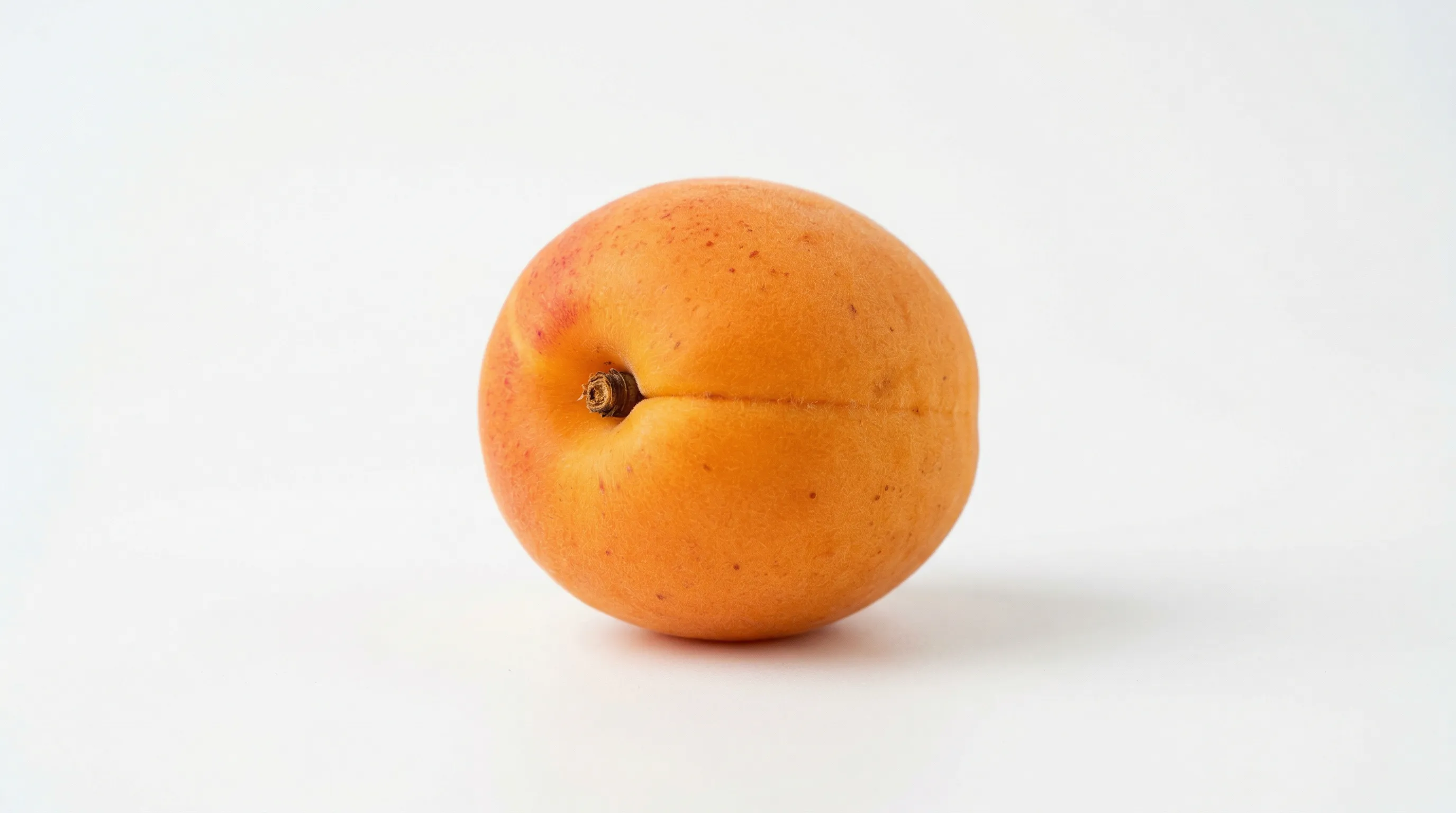
Peach is a juicy stone fruit with soft flesh and a naturally sweet flavor that many babies enjoy. When fully ripe or cooked until soft, peach can be an easy fruit to introduce from around 6 months, offering a fresh way to practice self-feeding and explore new textures. Peaches provide vitamin C, vitamin A, potassium, and fiber. These nutrients support immune function, vision, hydration, and healthy digestion. Because peaches are mostly water and relatively low in calories, they can be a refreshing part of meals and snacks, though they are not a significant source of protein or iron. Peach is not a common allergen, but it can cause reactions in some children, especially those with pollen-food allergy syndrome or sensitivities related to birch pollen and other fruits in the Rosaceae family, such as apricot, plum, cherry, or apple. The pit must always be removed, and underripe or firm peach can be harder and more slippery, which raises choking risk. Most babies can start peach from 6 months old if it is very ripe, peeled if needed, and served in a safe shape. As oral skills improve, you can move from large soft halves or thick slices to thinner slices, small pieces, and eventually a whole ripe peach with the pit removed and close supervision.
How to serve by age
Offer a very ripe peach with the pit removed. A large half or thick soft slice is easiest for beginners to hold. Peel if needed to reduce slipperiness, and make sure the flesh mashes easily between your fingers.
Once your baby is developing a pincer grasp, offer thin ripe slices or small soft pieces. Continue to avoid firm peach, and remove peel if it makes pieces harder to manage.
Serve ripe peach in bite-sized soft pieces or thin slices for self-feeding and fork practice. Check carefully that all pit material has been removed.
A whole ripe peach can be offered for biting practice once your toddler reliably takes small bites. Remove the pit first and supervise closely, since large bites and slippery juice can still be challenging.
Pairs well with
Safety & allergens
Serve peach only when very ripe and soft, or cook until soft. Always remove the pit. For younger babies, offer a large pitted half or thick soft slice they can grasp; peel if the skin makes it too slippery. For older babies and toddlers, offer thin slices or small soft pieces. Avoid firm, underripe peach and never offer pieces with pit fragments.
What to watch for
Safety checklist
Storage & shelf life
Store unripe peaches at room temperature until soft and fragrant. Once ripe or cut, refrigerate in an airtight container and use within 3-5 days.
Freeze peeled slices or cooked peach puree in an airtight container for up to 3 months. Thaw in the refrigerator before serving.
Nutrition
- Contains vitamin C to support immune health and iron absorption
- Provides vitamin A for eye and skin health
- Offers fiber to support digestion
- Contains potassium for muscle and nerve function
- High water content can help with hydration
- Not a good source of protein
- Low in iron
- Low in fat
- Can be slippery and harder to manage if underripe
Key nutrients
Nutrition facts
| Calories | 224kcal |
|---|---|
| Protein | 1.9g |
| Carbs | 32.9g |
| Fat | 10.0g |
| Fiber | 0.8g |
| Sugar | 16.2g |
| Iron | 0.5mg |
| Calcium | 8.0mg |
| Potassium | 125mg |
| Vitamin C | 1mg |
| Vitamin A | 10.0µg |
| Folate | 46µg |
| Zinc | 0.09mg |
per 100 g
In season
Common questions
When can babies eat Peach?
Is Peach a choking hazard?
Is Peach a common allergen?
More first foods

Track Peach and everything your baby eats
Log meals and reactions, get allergen alerts, and see your baby's food journey at a glance in the Alimoo app.


Backed by