
About Paneer
Paneer is a fresh, mild cheese commonly used in South Asian cooking. Because it is soft, easy to flavor, and rich in nutrients, it can be a useful food for babies once they are ready for solids. It works well crumbled into other foods or served in soft strips that are easy to grasp. Paneer provides protein to support growth and tissue building, calcium for bones and teeth, and vitamin A for vision and immune function. It also contains fat, which helps provide energy for growing babies and toddlers. While paneer can be nutritious, it is not a strong source of iron, so it is best offered alongside iron-rich foods. Paneer is made from milk, which is a common allergen. Always use pasteurized paneer for babies and introduce it in a small amount at first. Some store-bought or restaurant paneer can be quite firm, rubbery, or salty, which can increase choking risk or make it less suitable for young babies. Most babies can start paneer from 6 months old if it is pasteurized and served in a safe texture, such as soft crumbles or a large soft strip. As chewing skills improve, you can move to small pieces, cubes, or mixed dishes. Continue to supervise closely and avoid serving tough, dry, or large chunks.
How to serve by age
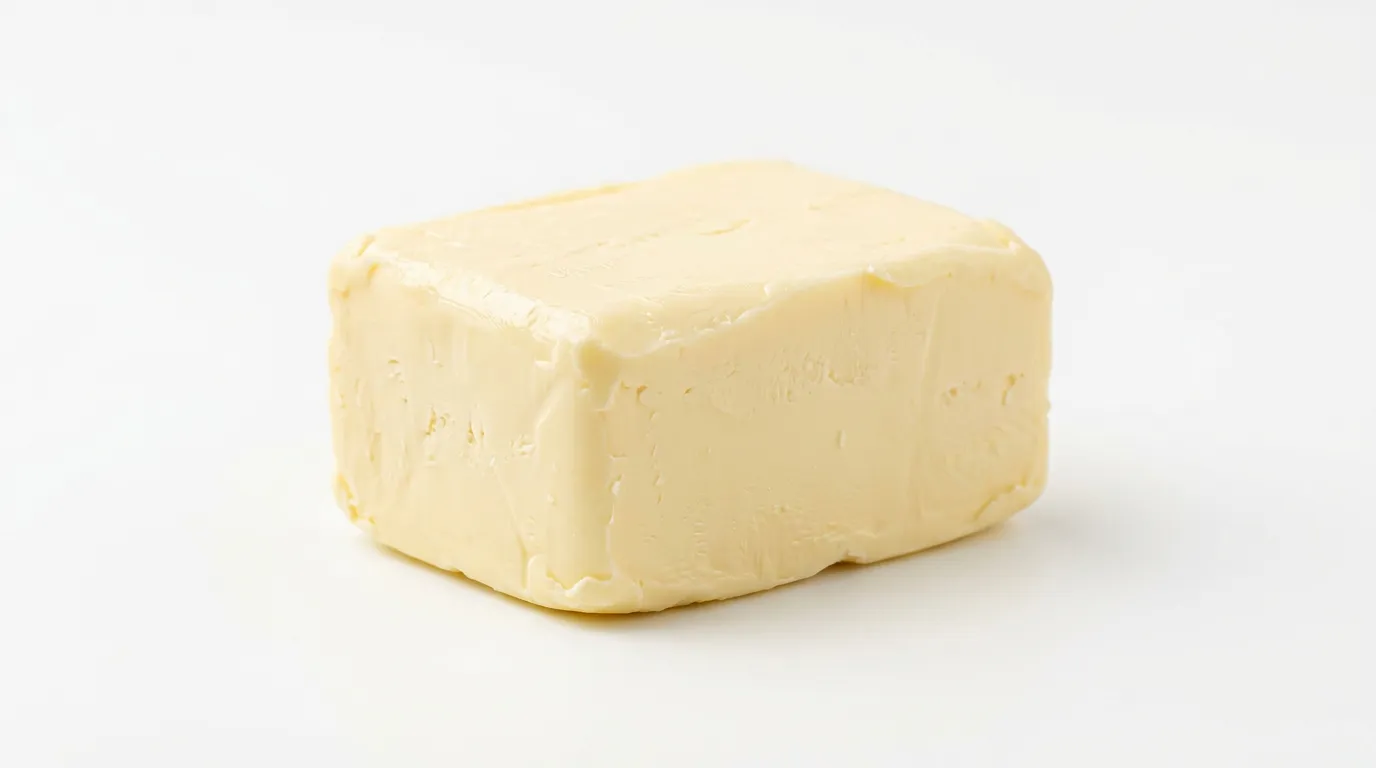
Offer pasteurized paneer crumbled into mash, rice, or vegetables, or serve a large soft strip from a fresh block for baby to hold and mouth. Avoid firm cubes or chewy fried paneer.
Once your baby is developing a pincer grasp, offer small soft pieces or continue with crumbles mixed into family foods like vegetables, lentils, or rice. Make sure the paneer is tender and not rubbery.
Offer soft cubes, matchsticks, or chopped paneer in simple meals or on its own. Avoid heavily salted or spicy preparations and continue to supervise closely.
Toddlers can eat bite-sized pieces of soft paneer in curries, wraps, rice dishes, or vegetable sautés. Continue to avoid tough, browned, or chewy pieces that may be hard to manage.
Pairs well with
Safety & allergens
Paneer can be firm, dense, and rubbery, which makes it a higher choking risk if served in large cubes or tough pieces. For younger babies, offer soft crumbles or a large thin strip from a soft block of pasteurized paneer. For older babies and toddlers, serve small soft pieces and avoid hard-fried, dry, or chewy paneer.
What to watch for
Safety checklist
Storage & shelf life
Store paneer in the refrigerator in an airtight container and use within 3-5 days after opening or preparation. If stored in water, change the water daily.
Freeze paneer in an airtight container or freezer bag for up to 3 months. Thaw in the refrigerator and use in cooked dishes or serve softened after thawing.
Nutrition
- Provides protein to support growth
- Rich in calcium for bones and teeth
- Contains fat for energy
- Provides vitamin A for vision and immune health
- Common milk allergen
- Not a strong source of iron
- Can be high in sodium if packaged or restaurant-prepared
- Firm or rubbery textures can increase choking risk
Key nutrients
Nutrition facts
| Calories | 265kcal |
|---|---|
| Protein | 18.3g |
| Carbs | 3.6g |
| Fat | 20.8g |
| Sugar | 3.6g |
| Iron | 0.5mg |
| Calcium | 208.0mg |
| Potassium | 103mg |
| Vitamin A | 210.0µg |
| Folate | 12µg |
| Zinc | 2.60mg |
per 100 g
In season
Common questions
When can babies eat Paneer?
Is Paneer a choking hazard?
Is Paneer a common allergen?
More first foods

Track Paneer and everything your baby eats
Log meals and reactions, get allergen alerts, and see your baby's food journey at a glance in the Alimoo app.


Backed by