
À propos de Fromage brie
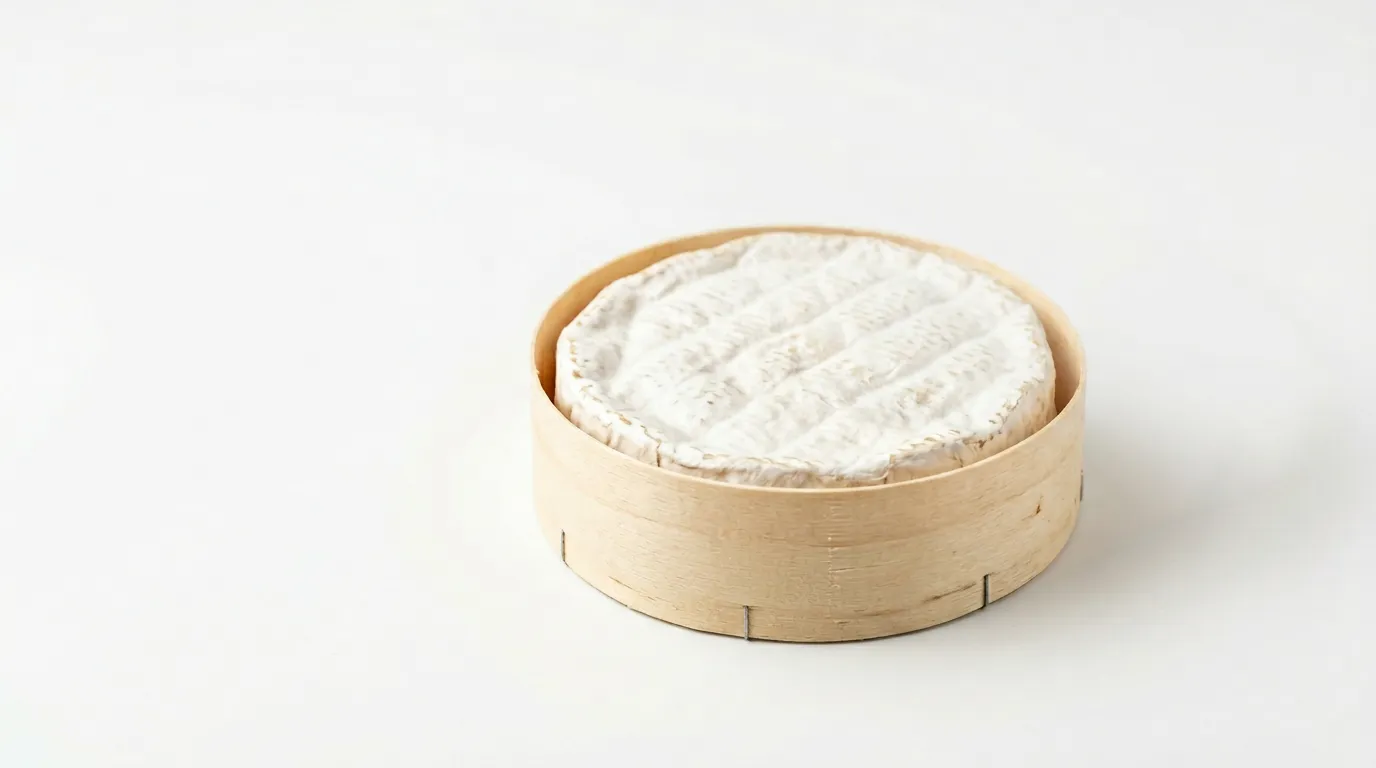
Le brie est un fromage à pâte molle à croûte fleurie, traditionnellement fabriqué à partir de lait de vache. Il a une texture crémeuse et une saveur douce que certains bébés et jeunes enfants apprécient, mais ce n’est généralement pas le fromage le plus facile à proposer au début, car il peut être collant et s’agglutiner dans la bouche. Pour les jeunes enfants, des fromages plus fermes ou plus faciles à émietter sont souvent plus sûrs, mais le brie peut tout de même être proposé avec précaution en petite quantité. Le brie apporte des protéines et des matières grasses utiles à la croissance, ainsi que du calcium pour les os et les dents et de la vitamine A pour la vision et le système immunitaire. Comme beaucoup de fromages, il est dense en énergie, donc une petite quantité peut suffire dans un repas pour bébé ou jeune enfant. Il n’est pas une source significative de fer ni de vitamine C ; il est donc préférable de l’associer à des aliments riches en fer, à des fruits, à des légumes ou à des céréales complètes. Le brie est un allergène courant car il est fabriqué à partir de lait de vache. Il ne doit être servi aux bébés et aux jeunes enfants que s’il est fabriqué avec du lait pasteurisé. Évitez le brie au lait cru chez les nourrissons et les jeunes enfants en raison du risque de bactéries nocives. Sa texture molle et collante peut également augmenter le risque d’étouffement, surtout s’il est servi en morceaux épais ou en grosses bouchées. La plupart des bébés peuvent consommer du brie pasteurisé dès 6 mois s’il est bien chauffé jusqu’à être fumant et étalé en couche très fine sur une tartine grillée ou un autre aliment facile à tenir. À mesure que les compétences de mastication s’améliorent, les bébés plus âgés peuvent essayer de très fines lamelles ou de petites quantités fondues mélangées à d’autres aliments. Les tout-petits peuvent gérer plus facilement de petits morceaux, mais une surveillance étroite reste essentielle.
Comment servir selon l'âge
Proposez uniquement du brie pasteurisé chauffé jusqu’à être fumant. Étalez-en une couche très fine sur du pain bien grillé ou mélangez-en une petite quantité à des légumes écrasés chauds, des céréales ou des œufs afin de réduire le côté collant.
Une fois que votre bébé gère davantage de textures, proposez de petites quantités fondues sur des mouillettes de pain grillé ou mélangées à des aliments tièdes. Gardez des portions fines et évitez les amas collants.
Les tout-petits peuvent essayer de très fines tranches ou une fine couche de brie pasteurisé chauffé sur du pain ou des crackers. Continuez à éviter les bouchées épaisses qui peuvent former une boule dans la bouche.
Se marie bien avec
Sécurité et allergènes
Le brie peut être collant et former une masse pâteuse dans la bouche, ce qui augmente le risque d’étouffement. Servez uniquement du brie pasteurisé, chauffé jusqu’à être fumant, puis étalé en couche très fine sur du pain bien grillé, ou mélangez-en une petite quantité à des aliments chauds. Évitez les portions épaisses, les gros cubes ou les bouchées collantes.
À surveiller
Liste de sécurité
Conservation et durée
Conservez le brie au réfrigérateur dans un récipient couvert et utilisez-le dans les 3 à 5 jours après ouverture. Gardez-le bien au froid et jetez-le s’il développe une odeur anormale ou des signes visibles d’altération.
La congélation n’est pas recommandée, car la texture devient friable et aqueuse après décongélation.
Nutrition
- Apporte du calcium pour les os et les dents
- Contient des protéines qui soutiennent la croissance
- Apporte des matières grasses et des calories pour l’énergie
- Fournit de la vitamine A pour la vision et la santé immunitaire
- Allergène courant du lait
- Riche en graisses saturées et en sodium
- Pauvre en fer
- Sa texture collante peut augmenter le risque d’étouffement
Nutriments clés
Valeurs nutritionnelles
| Calories | 334kcal |
|---|---|
| Protéines | 20.8g |
| Glucides | 0.5g |
| Lipides | 27.7g |
| Sucres | 0.5g |
| Fer | 0.5mg |
| Calcium | 184.0mg |
| Potassium | 152mg |
| Vitamine A | 174.0µg |
| Folate | 65µg |
| Zinc | 2.38mg |
per 100 g
De saison
Questions fréquentes
Quand les bébés peuvent-ils manger Fromage brie ?
Fromage brie présente-t-il un risque d'étouffement ?
Fromage brie est-il un allergène courant ?
Plus de premiers aliments

Suivez Fromage brie — et tout ce que mange votre bébé
Enregistrez les repas et les réactions, recevez des alertes allergènes et suivez le parcours alimentaire de votre bébé d'un coup d'œil dans l'application Alimoo.


Sources