
À propos de Lait ribot
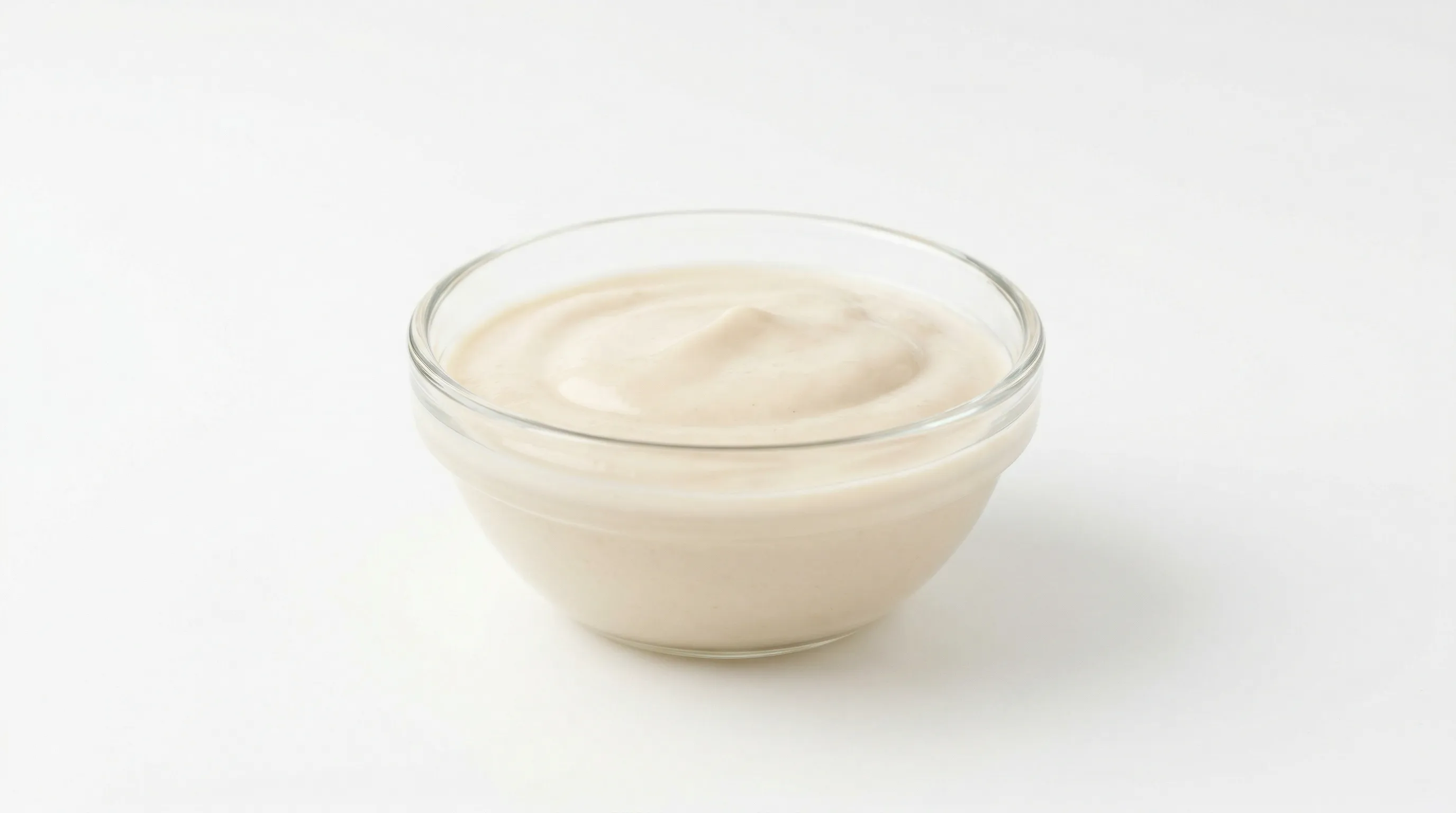
Le lait ribot est une boisson lactée fermentée obtenue en faisant fermenter du lait avec des bactéries bénéfiques. Le lait ribot moderne est généralement épais, acidulé, et le plus souvent utilisé comme ingrédient dans des aliments comme les pancakes, muffins, purée de pommes de terre, sauces et dips, plutôt que proposé nature aux jeunes bébés. Il apporte du calcium pour le développement des os et des dents, des protéines pour la croissance, du potassium pour l’équilibre hydrique et la fonction musculaire, ainsi que de la vitamine B12 et de la riboflavine pour soutenir le métabolisme énergétique. Le lait ribot peut ajouter de la saveur et du moelleux aux préparations, mais il n’est pas particulièrement riche en fer ; il doit donc être associé à des aliments riches en fer dans le cadre d’un repas équilibré. Le lait ribot est un allergène laitier courant car il contient des protéines de lait de vache. Il ne doit être proposé que s’il est pasteurisé. Certains bébés allergiques au lait de vache peuvent réagir même à de petites quantités dans des aliments cuits. L’intolérance au lactose est différente de l’allergie au lait et elle est rare pendant la petite enfance, mais les produits laitiers peuvent parfois tout de même provoquer un inconfort digestif. La plupart des bébés peuvent consommer du lait ribot dès 6 mois en petites quantités, mélangé à des aliments ou intégré à des recettes, tant qu’il ne remplace pas le lait maternel ou le lait infantile. À partir d’environ 12 mois, le lait ribot pasteurisé peut aussi être proposé en petites quantités dans une tasse ouverte au moment des repas, tout en continuant à privilégier une alimentation variée et une surveillance attentive.
Comment servir selon l'âge
Incorporez du lait ribot pasteurisé dans du porridge, des légumes écrasés, une pâte à pancakes ou d’autres aliments tendres. Proposez-en seulement de petites quantités au début et surveillez les signes d’une réaction aux produits laitiers.
Utilisez le lait ribot dans des dips, des préparations moelleuses au four, ou mélangé à des haricots écrasés, des pommes de terre ou des céréales. Évitez de le servir avec des aliments durs ou croquants qui ne sont pas adaptés au développement de l’enfant.
Après 12 mois, le lait ribot pasteurisé peut être proposé en petites gorgées dans une tasse ouverte pendant les repas, ou continuer à être utilisé dans les recettes. Il doit compléter une alimentation équilibrée plutôt que de prendre la place d’aliments riches en fer.
Se marie bien avec
Sécurité et allergènes
Le lait ribot lui-même présente un faible risque d’étouffement car c’est un liquide, mais il doit être servi en petites quantités faciles à gérer et utilisé dans des aliments adaptés à l’âge. Pour les bébés de moins de 12 mois, utilisez-le surtout comme ingrédient dans des porridges, pancakes, purées ou dips plutôt que comme boisson principale. Surveillez toujours la consommation au gobelet et évitez de le servir avec des aliments à tremper non sécuritaires ou des ajouts en morceaux.
À surveiller
Liste de sécurité
Conservation et durée
Conservez le lait ribot au réfrigérateur et gardez-le bien fermé. Une fois ouvert, utilisez-le dans les 3 à 5 jours ou avant la date indiquée sur l’emballage, selon la première échéance.
La congélation n’est généralement pas recommandée pour une consommation en boisson, car la texture peut se séparer après décongélation, bien qu’il puisse parfois être congelé pour une utilisation ultérieure en cuisine ou en pâtisserie.
Nutrition
- Apporte du calcium pour les os et les dents
- Contient des protéines qui soutiennent la croissance
- Fournit du potassium pour la fonction musculaire et nerveuse
- Peut ajouter de la saveur et du moelleux aux recettes adaptées aux bébés
- Allergène laitier courant
- Pauvre en fer
- Ne doit pas remplacer le lait maternel ou le lait infantile avant 12 mois
- Certaines variétés peuvent contenir du sel ajouté selon le produit
Nutriments clés
Valeurs nutritionnelles
| Calories | 387kcal |
|---|---|
| Protéines | 34.3g |
| Glucides | 49.0g |
| Lipides | 5.8g |
| Sucres | 49.0g |
| Fer | 0.3mg |
| Calcium | 1180.0mg |
| Potassium | 1590mg |
| Vitamine C | 6mg |
| Vitamine A | 49.0µg |
| Folate | 47µg |
| Zinc | 4.02mg |
per 100 g
De saison
Questions fréquentes
Quand les bébés peuvent-ils manger Lait ribot ?
Lait ribot présente-t-il un risque d'étouffement ?
Lait ribot est-il un allergène courant ?
Plus de premiers aliments

Suivez Lait ribot — et tout ce que mange votre bébé
Enregistrez les repas et les réactions, recevez des alertes allergènes et suivez le parcours alimentaire de votre bébé d'un coup d'œil dans l'application Alimoo.


Sources