
About Milk (Cow)
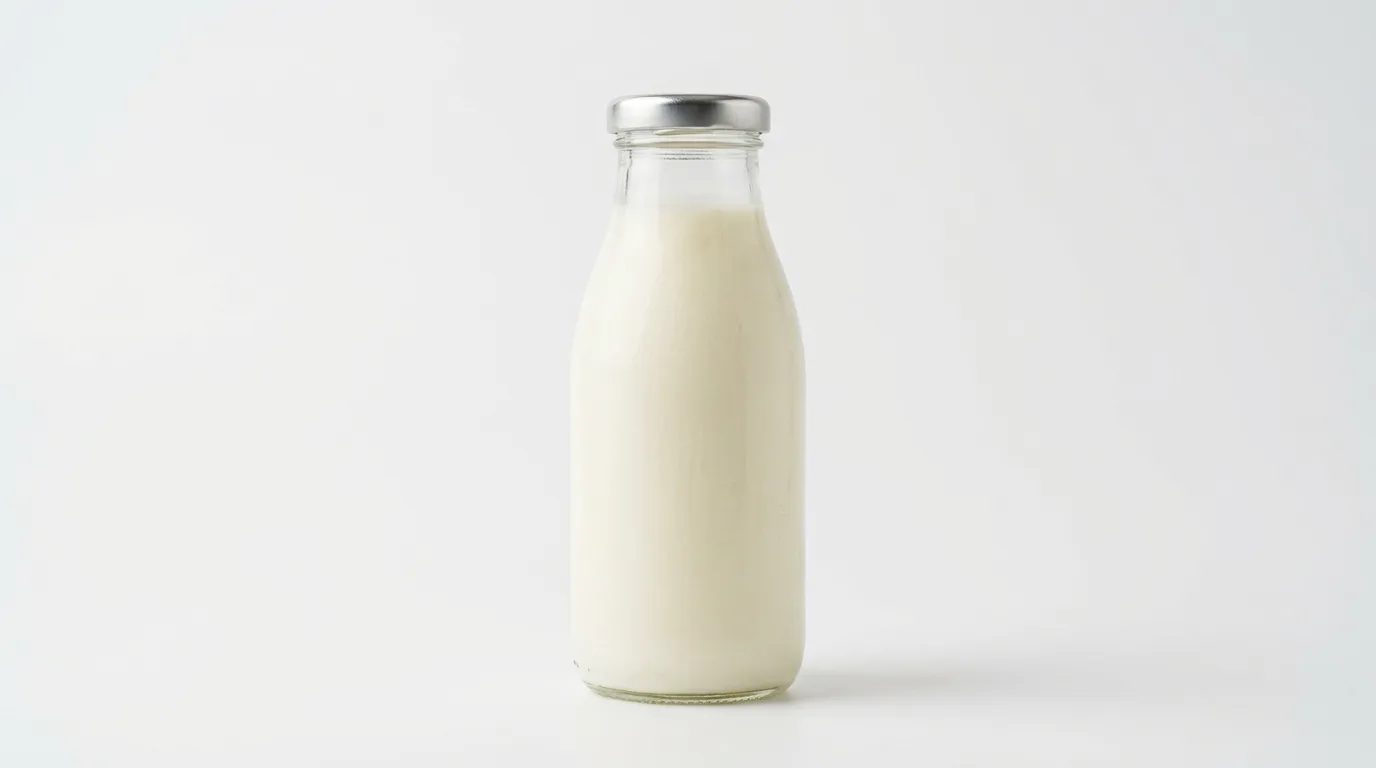
Cow's milk is a dairy food that can be used in baby meals before age 1, but it should not replace breast milk or infant formula as a main drink during the first year. Small amounts mixed into foods like oatmeal, mashed potatoes, or sauces can add creaminess and familiar dairy flavor. It provides calcium and protein to support growing bones, teeth, and muscles, and it also contains potassium and vitamin A. Whole cow's milk is higher in fat than reduced-fat milk, which is why whole milk is usually recommended after 12 months unless a child's clinician advises otherwise. Cow's milk is a common allergen. Reactions can range from mild hives or vomiting to more serious symptoms like wheezing or swelling. Some babies with cow's milk allergy may also react to milk from goats or sheep because the proteins are similar. Lactose intolerance is different from milk allergy and is uncommon in infancy. From 6 months, cow's milk can be offered in small amounts mixed into foods. Around 12 months, pasteurized whole cow's milk can usually be introduced as a drink in an open cup or straw cup if your child is eating a varied diet. Keep portions moderate, since too much milk can reduce appetite for iron-rich foods and may increase the risk of iron deficiency.
How to serve by age
From 6 months, cow's milk can be used in small amounts in foods such as oatmeal, mashed potatoes, or sauces. Do not offer it as a main drink; breast milk or infant formula should remain the primary milk source.
As your baby approaches 12 months, you may offer small practice sips of pasteurized whole cow's milk in an open cup or straw cup if your clinician agrees, while continuing breast milk or formula as the main milk source until 12 months.
After 12 months, pasteurized whole cow's milk can be offered as a drink. Keep portions moderate and continue serving iron-rich foods regularly, since too much milk can reduce appetite for solids.
Toddlers can continue to have cow's milk with meals and snacks as part of a balanced diet. Follow your pediatric clinician's guidance on total dairy intake and whether whole or reduced-fat milk is appropriate for your child.
Pairs well with
Safety & allergens
Liquid cow's milk itself is a low choking risk when offered in an age-appropriate cup and with your child seated upright. For babies under 12 months, use only small amounts mixed into foods rather than as a main drink. Avoid bottle propping and do not let a child walk or run while drinking.
What to watch for
Safety checklist
Storage & shelf life
Store pasteurized cow's milk in the refrigerator and keep it cold. Once opened, use by the package date and return it to the fridge promptly after serving.
Freezing is generally not recommended for drinking milk because texture can separate after thawing, though it remains safe if frozen continuously. If frozen, thaw in the refrigerator and shake well before using in cooking.
Nutrition
- Provides calcium for bones and teeth
- Contains protein to support growth
- Offers potassium for muscle and nerve function
- Whole milk provides fat that supports early growth after 12 months
- Common food allergen
- Low in iron
- Too much milk can reduce appetite for iron-rich foods
- Not appropriate as a main drink before 12 months
Key nutrients
Nutrition facts
| Calories | 446kcal |
|---|---|
| Protein | 7.6g |
| Carbs | 71.7g |
| Fat | 13.8g |
| Fiber | 3.4g |
| Sugar | 10.3g |
| Iron | 3.6mg |
| Calcium | 172.0mg |
| Potassium | 114mg |
| Vitamin C | 0mg |
| Vitamin A | 16.0µg |
| Folate | 139µg |
| Zinc | 0.67mg |
per 100 g
In season
Common questions
When can babies eat Milk (Cow)?
Is Milk (Cow) a choking hazard?
Is Milk (Cow) a common allergen?
More first foods

Track Milk (Cow) and everything your baby eats
Log meals and reactions, get allergen alerts, and see your baby's food journey at a glance in the Alimoo app.


Backed by