
About Kefir
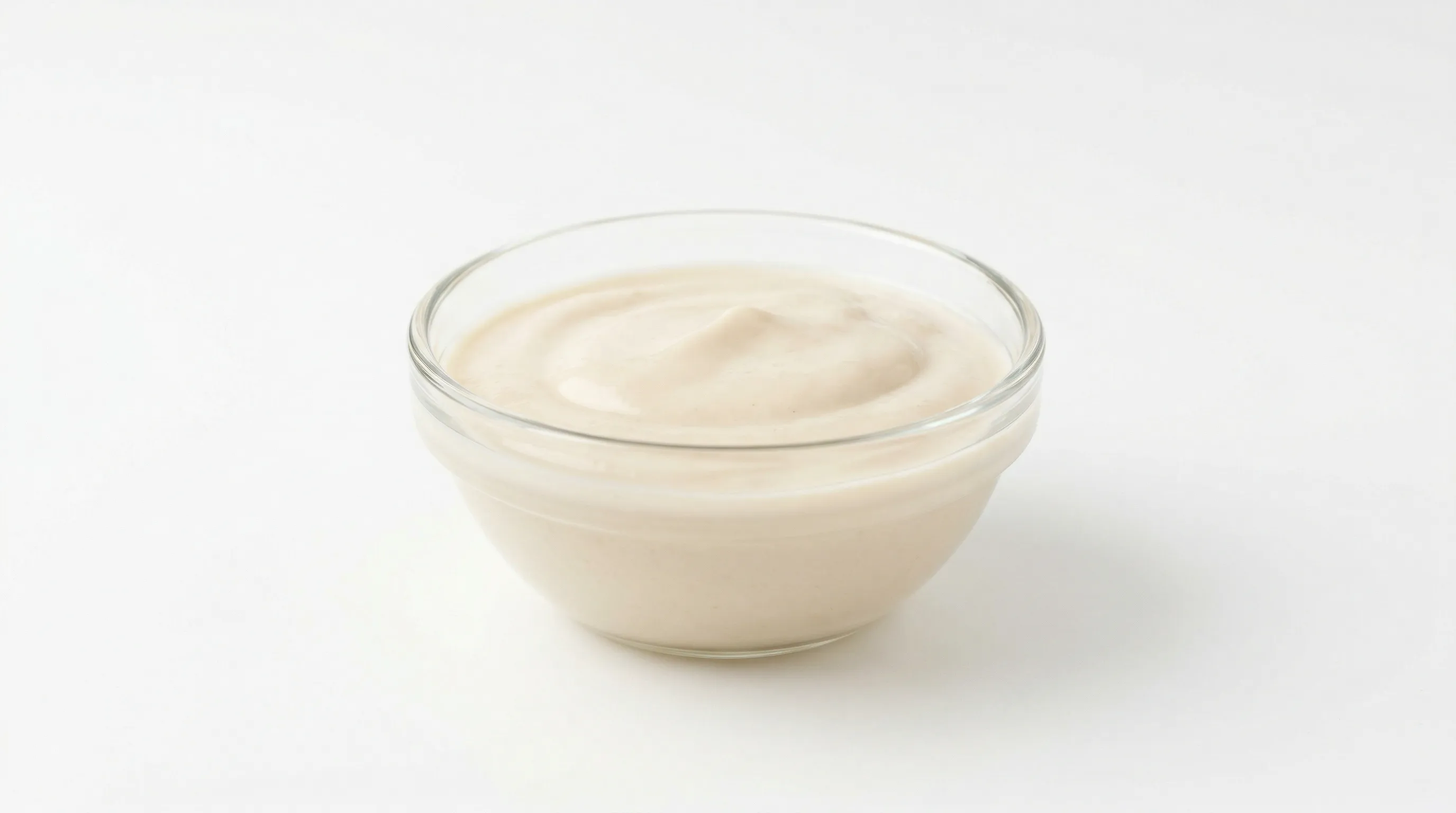
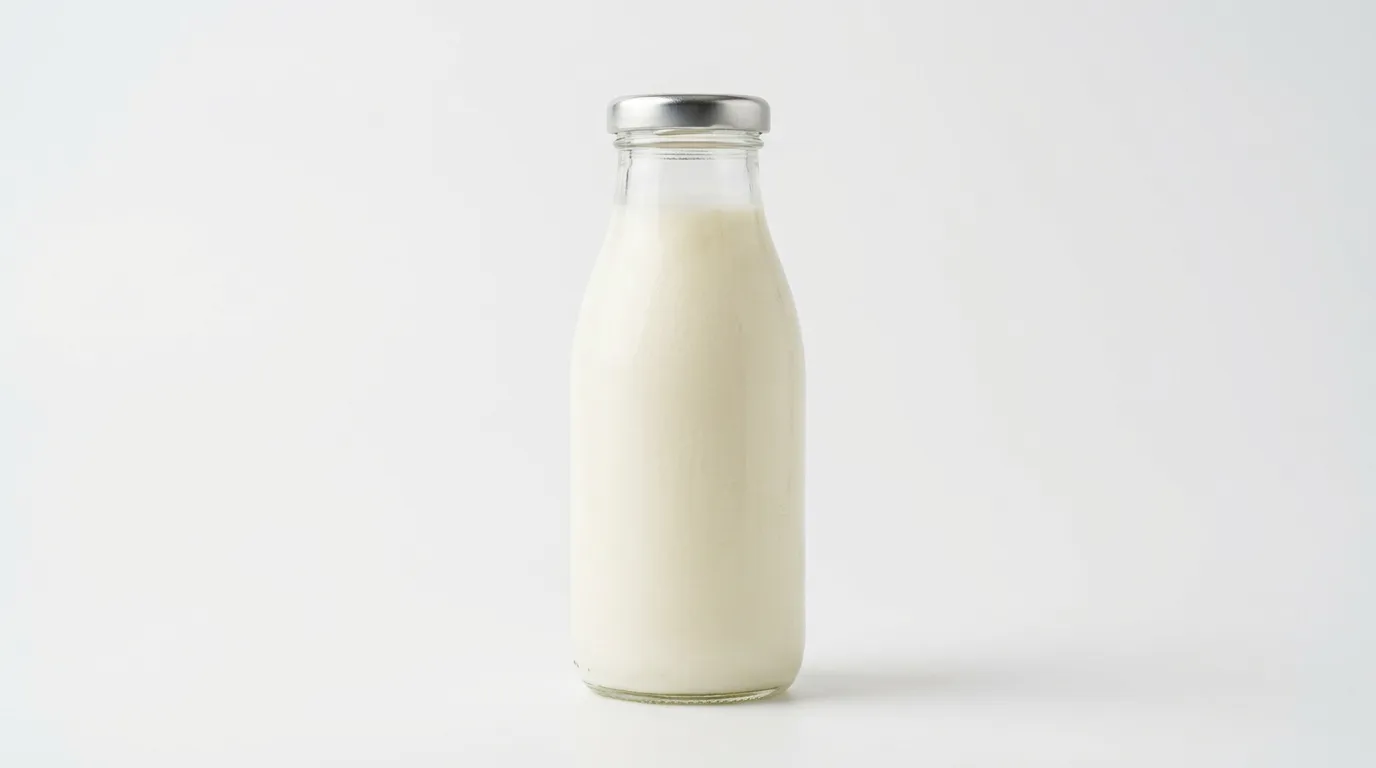
Kefir is a cultured dairy food made by fermenting milk with beneficial bacteria and yeasts. It has a tangy flavor and a thinner texture than yogurt. For babies, plain full-fat pasteurized kefir can be a nutritious food to mix into meals once solids are started, especially when served on a spoon or stirred into other foods. Kefir provides calcium for bone development, protein for growth, and vitamin A for eye and immune health. It also contains live cultures that may support a healthy gut microbiome. Because it is a dairy food, kefir can be a useful way to add richness and nutrition to porridges, mashed fruits, or savory dips. Milk is a common allergen, so kefir should be introduced carefully, especially if your child has eczema, a known cow's milk allergy, or a strong family history of food allergies. Always choose pasteurized, plain kefir without added sugar or honey. Raw milk kefir is not safe for babies and young children. Most babies can start kefir from 6 months old in small amounts mixed into food or served from a spoon. Before 12 months, it is best used as a food rather than a main drink. After 12 months, plain full-fat kefir can be offered in an open cup alongside meals if your toddler tolerates dairy well.
How to serve by age
Offer a small amount of plain pasteurized full-fat kefir mixed into oatmeal, stirred into mashed fruit, or served on a preloaded spoon. Use it as a food, not a main drink.
Serve kefir as a dip for soft foods or mix it into porridge, mashed vegetables, or nut butters that have already been safely introduced. Keep portions small and continue to avoid using it as a bottle feed.
Once your toddler is 12 months or older and tolerates dairy well, plain full-fat kefir can be offered in a small open cup or straw cup alongside meals. Continue choosing unsweetened varieties.
Offer plain kefir as part of meals or snacks, or use it in smoothies, overnight oats, or savory sauces. Keep added sugars low and continue supervising while your toddler drinks.
Pairs well with
Safety & allergens
Kefir itself is not a major choking hazard because it is smooth, but it should be served in age-appropriate ways. For babies under 12 months, offer plain full-fat pasteurized kefir on a spoon, mixed into oatmeal, or used as a dip rather than as a drink. Avoid serving it in a bottle, and supervise closely if offered in a cup.
What to watch for
Safety checklist
Storage & shelf life
Store kefir in the refrigerator and keep it tightly closed. Once opened, use within 3-5 days or by the package date, whichever comes first.
Freezing is not recommended because the texture can separate and become grainy after thawing, although it may still be usable in cooked foods or smoothies for older children.
Nutrition
- Provides calcium for strong bones and teeth
- Contains protein to support growth
- Offers vitamin A for eye and immune health
- Contains live cultures that may support gut health
- Can add richness and nutrition to meals
- Milk is a common allergen
- Not a good source of iron
- Can contain added sugar if flavored or sweetened
- Should not replace breast milk or formula before 12 months
Key nutrients
Nutrition facts
| Calories | 43kcal |
|---|---|
| Protein | 3.8g |
| Carbs | 4.8g |
| Fat | 1.0g |
| Sugar | 4.6g |
| Iron | 0.0mg |
| Calcium | 130.0mg |
| Potassium | 164mg |
| Vitamin C | 0mg |
| Vitamin A | 171.0µg |
| Folate | 13µg |
| Zinc | 0.46mg |
per 100 g
In season
Common questions
When can babies eat Kefir?
Is Kefir a choking hazard?
Is Kefir a common allergen?
More first foods

Track Kefir and everything your baby eats
Log meals and reactions, get allergen alerts, and see your baby's food journey at a glance in the Alimoo app.


Backed by