
About Haddock
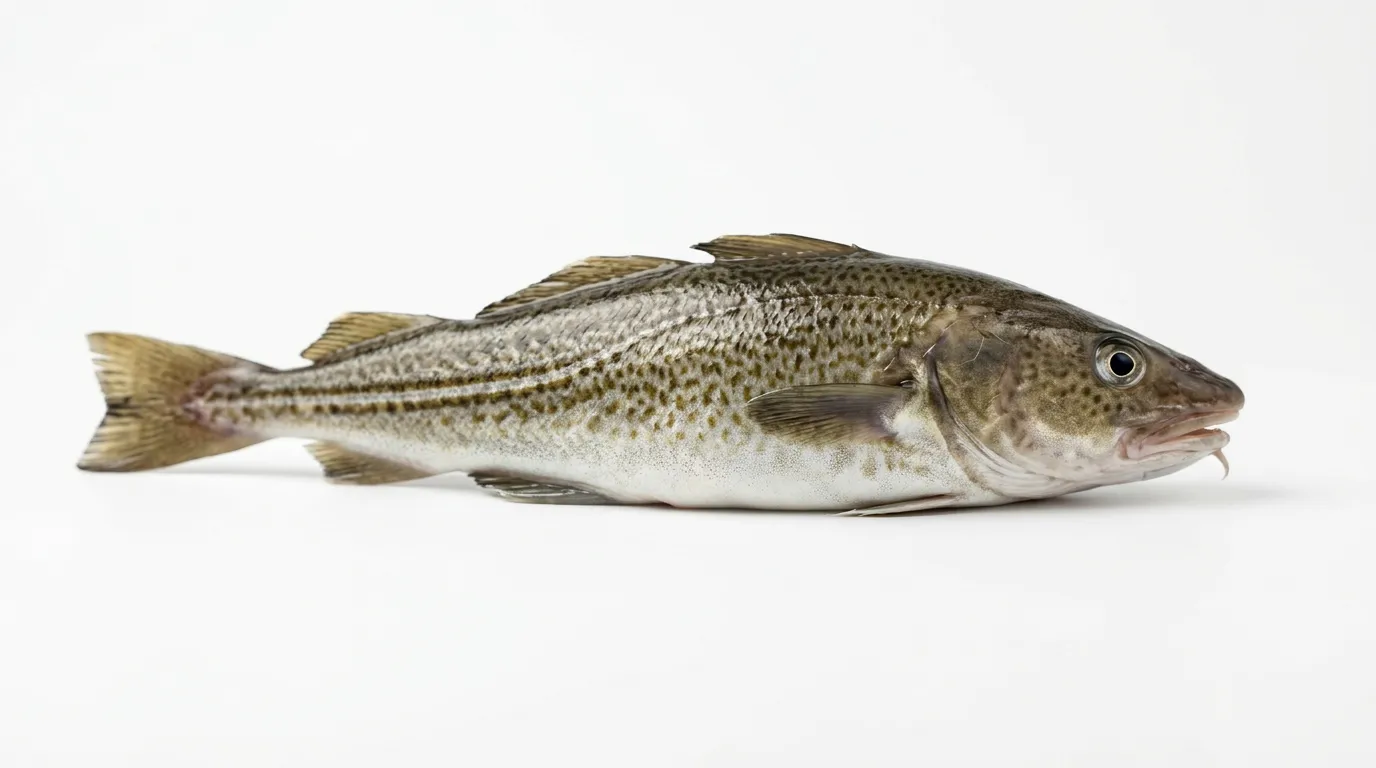
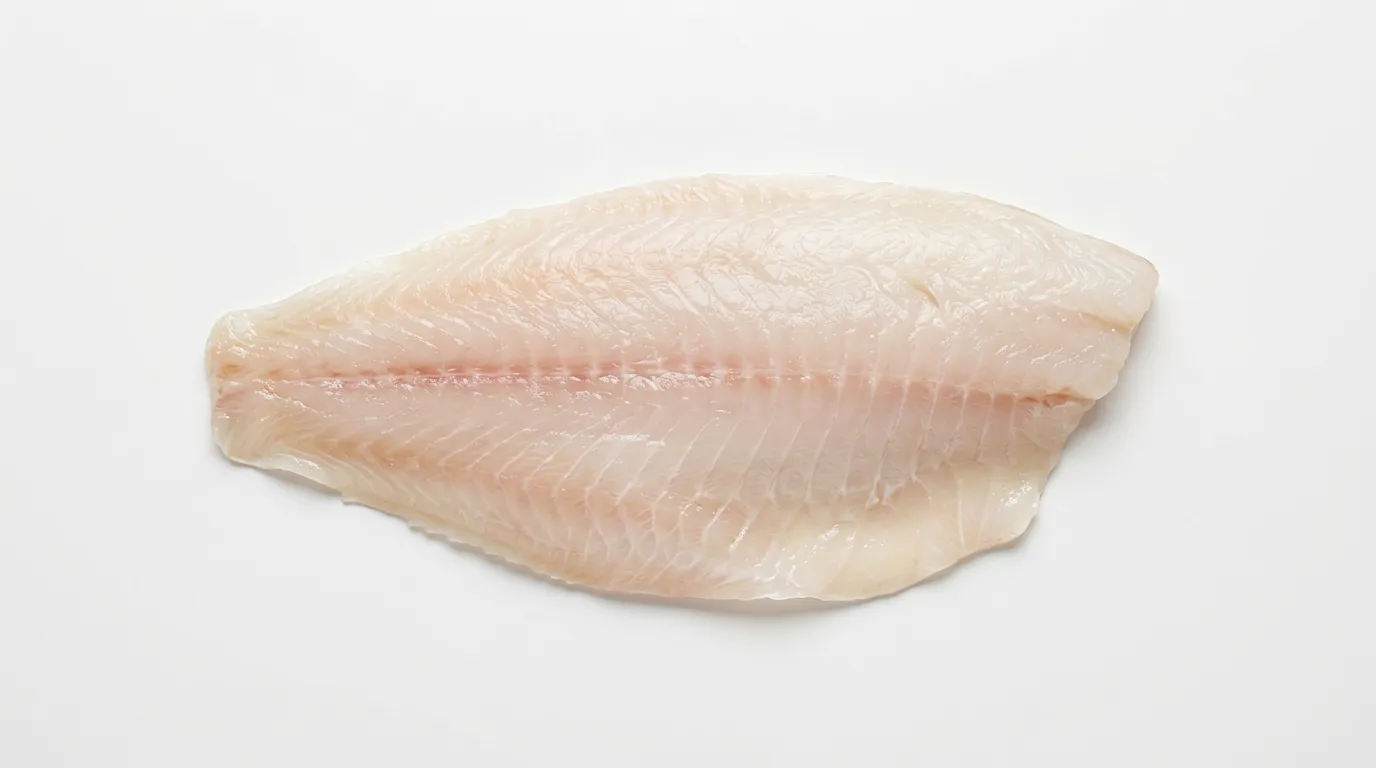
Haddock is a mild white fish with a soft, flaky texture when cooked, which can make it a good option for babies learning to eat fish. It is easy to mash or flake into moist pieces and can be mixed with familiar foods like potato, avocado, or yogurt-free vegetable purees for a gentle introduction. It provides high-quality protein to support growth and is naturally rich in vitamin B12 and selenium. Haddock also contains iodine, an important nutrient for thyroid function and brain development, and offers some potassium. Compared with larger predatory fish, haddock is generally considered a lower-mercury fish choice for babies and toddlers. Haddock is a common allergen because it is a fish. Introduce it in a small amount the first time and watch closely for signs of an allergic reaction. Bones are the main safety concern, so always cook thoroughly and check carefully for pin bones before serving. Avoid smoked haddock for babies because it is high in sodium. Most babies can start haddock from 6 months old once it is fully cooked, moist, and completely deboned. For younger babies, offer large soft flakes or mash it with another food to help it hold together. As your child gets older, you can progress to smaller flakes, fish cakes, and bite-sized pieces, always served seated and supervised.
How to serve by age
Offer fully cooked, moist haddock that has been carefully deboned. Serve as large soft flakes for self-feeding or mash with avocado, potato, or another familiar food to make it easier to pick up and swallow.
Serve thoroughly cooked haddock in small, moist flakes once your baby is developing a pincer grasp. Double-check for bones each time, especially if serving from a fillet.
Offer bite-sized pieces of deboned haddock or soft homemade fish cakes with low-sodium ingredients. Keep the texture moist and easy to chew.
Toddlers can enjoy haddock flaked into rice, pasta, soups, or patties. Continue to avoid bones, keep sodium low, and supervise closely during meals.
Pairs well with
Safety & allergens
Haddock is usually soft and flaky when cooked, but bones can be a serious choking hazard. Serve only fully cooked, moist, completely deboned fish. For younger babies, offer large soft flakes or mash with another food. For older babies and toddlers, offer small flakes or bite-sized pieces and avoid dry, tough, or bony portions.
What to watch for
Safety checklist
Storage & shelf life
Refrigerate cooked haddock in an airtight container and use within 1-2 days.
Freeze cooked haddock in an airtight container for up to 3 months. Thaw in the refrigerator before reheating and serving.
Nutrition
- Provides high-quality protein for growth
- Rich in vitamin B12 for brain and nerve development
- Contains selenium and iodine to support healthy body function
- A lower-mercury fish option compared with many larger fish
- Fish is a common allergen
- Contains little to no fiber
- Not a significant source of vitamin C
- Bones can be a choking hazard if not removed carefully
Key nutrients
Nutrition facts
| Calories | 74kcal |
|---|---|
| Protein | 16.3g |
| Fat | 0.5g |
| Iron | 0.2mg |
| Calcium | 11.0mg |
| Potassium | 286mg |
| Vitamin A | 17.0µg |
| Folate | 12µg |
| Zinc | 0.32mg |
per 100 g
In season
Common questions
When can babies eat Haddock?
Is Haddock a choking hazard?
Is Haddock a common allergen?
More first foods

Track Haddock and everything your baby eats
Log meals and reactions, get allergen alerts, and see your baby's food journey at a glance in the Alimoo app.


Backed by