
À propos de Flet
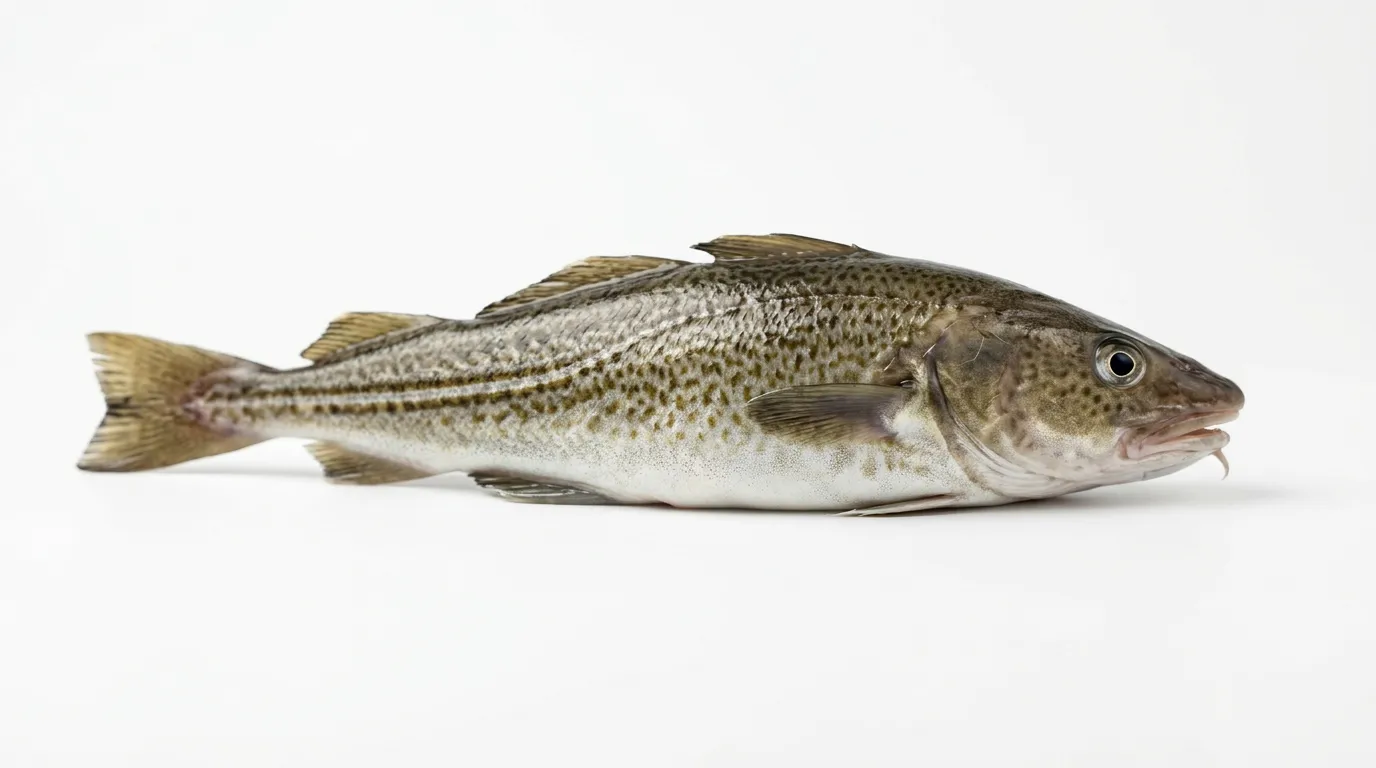
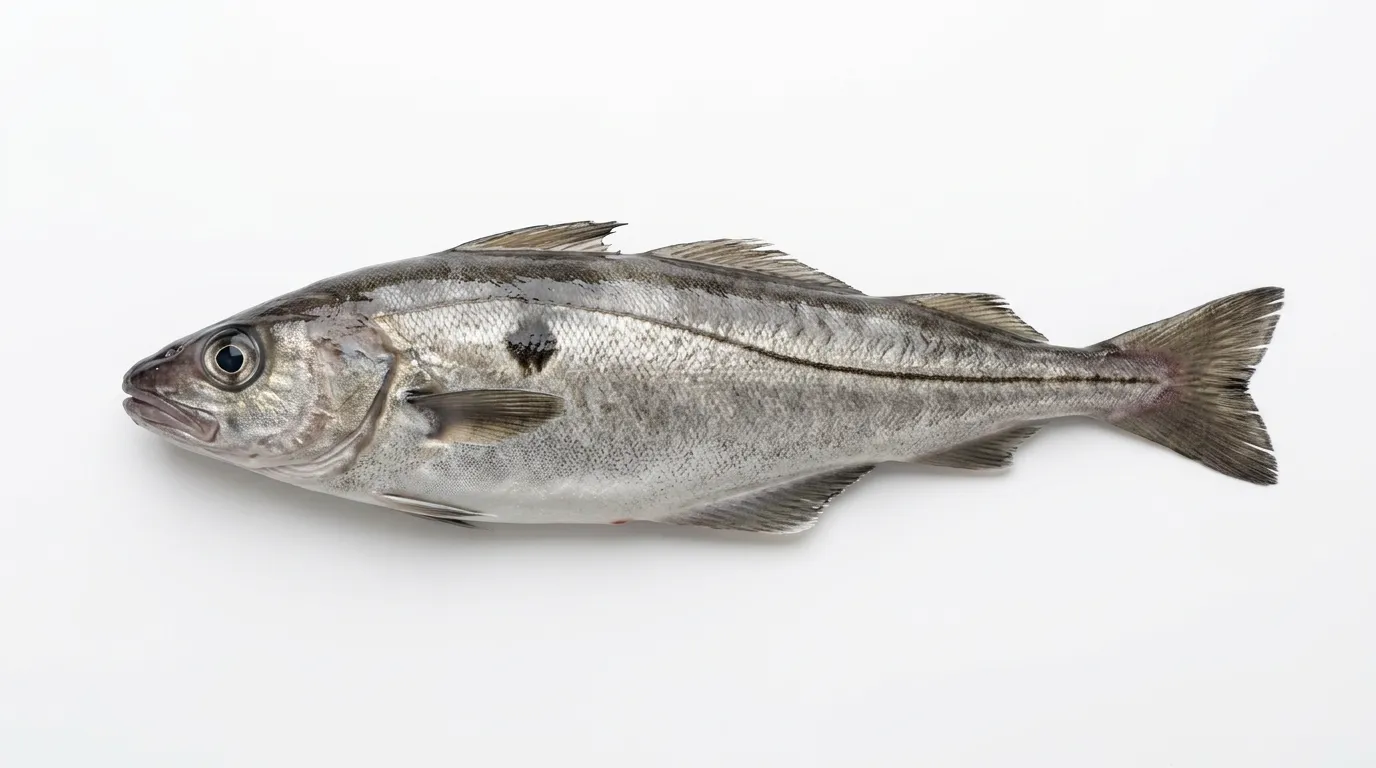
Le flet est un poisson blanc doux et délicat qui peut être une excellente source de protéines pour les bébés lorsqu’ils sont prêts à commencer les aliments solides. Sa texture tendre s’effeuille facilement après cuisson, ce qui le rend plus simple à servir en morceaux adaptés aux bébés que de nombreuses viandes plus fermes. Il apporte des protéines de haute qualité pour soutenir la croissance et contient des nutriments comme la vitamine B12, le sélénium, le phosphore et quelques oméga-3, qui contribuent au développement du cerveau, des nerfs et de l’organisme dans son ensemble. Le flet est aussi naturellement pauvre en graisses saturées et ne contient ni glucides ni fibres, ce qui en fait un bon aliment à associer à des aliments riches en fer, des légumes et des céréales pour composer un repas équilibré. Le flet est un allergène courant, car il s’agit d’un poisson. Les bébés allergiques à un poisson peuvent aussi réagir à d’autres, il faut donc l’introduire avec prudence et surveiller attentivement lors des premières expositions. Le principal point de vigilance concerne les arêtes, qui présentent un risque d’étouffement et de blessure. Il faut donc toujours bien cuire le poisson et le vérifier très soigneusement avant de le servir. La plupart des bébés peuvent commencer à manger du flet dès 6 mois, présenté en lanières tendres cuites ou en gros morceaux effeuillés faciles à saisir. Lorsque votre enfant développe la pince pouce-index, vous pouvez passer à de plus petits morceaux sans arêtes. Pour les tout-petits, le flet peut être servi en bouchées effeuillées, mélangé à du riz, des pâtes ou des légumes fondants, toujours sous surveillance étroite.
Comment servir selon l'âge
Proposez du flet tendre, bien cuit et soigneusement désarêté, sous forme de lanières de la longueur d’un doigt ou de gros morceaux humides et effeuillés que bébé peut attraper. Évitez les préparations sèches ou croustillantes.
Lorsque votre bébé commence à développer la pince pouce-index, proposez de petits morceaux tendres de flet cuit. Vérifiez à nouveau l’absence d’arêtes avant de servir chaque portion.
Servez le flet en petits morceaux effeuillés, seul ou mélangé à du riz, des légumes écrasés, des pâtes ou des galettes. Gardez des textures tendres et moelleuses pour faciliter la mastication.
Les tout-petits peuvent manger des morceaux de flet cuit de la taille d’une bouchée dans le cadre des repas familiaux. Continuez d’éviter les arêtes, limitez le sodium et surveillez attentivement pendant le repas.
Se marie bien avec
Sécurité et allergènes
Le flet lui-même est tendre une fois cuit, mais les arêtes constituent un danger sérieux. Faites-le bien cuire, retirez la peau et toutes les arêtes visibles et cachées, puis servez-le en lamelles tendres ou en morceaux effeuillés adaptés à l’âge. Évitez les préparations croustillantes, fermes ou très panées, qui peuvent se casser en morceaux durs.
À surveiller
Liste de sécurité
Conservation et durée
Conservez le flet cuit au réfrigérateur dans un récipient hermétique et utilisez-le dans les 3 jours. Si vous utilisez du poisson cru, gardez-le bien au froid et faites-le cuire dans les 1 à 2 jours suivant l’achat.
Congelez le flet cuit dans un récipient hermétique jusqu’à 3 mois. Décongelez-le au réfrigérateur avant de le réchauffer et de le servir.
Nutrition
- Riche en protéines pour soutenir la croissance
- Apporte de la vitamine B12 pour le fonctionnement du cerveau et des nerfs
- Contient du sélénium et du phosphore bénéfiques pour la santé générale
- Fournit quelques oméga-3 utiles au développement du cerveau
- Naturellement pauvre en graisses saturées
- Allergène courant
- Contient peu de fer par rapport à certains autres aliments riches en protéines
- Les arêtes peuvent présenter un risque d’étouffement et de blessure si elles ne sont pas retirées soigneusement
- Les versions panées ou transformées peuvent être riches en sodium
Nutriments clés
Valeurs nutritionnelles
| Calories | 70kcal |
|---|---|
| Protéines | 12.4g |
| Lipides | 1.9g |
| Fer | 0.2mg |
| Calcium | 21.0mg |
| Potassium | 160mg |
| Vitamine A | 10.0µg |
| Folate | 5µg |
| Zinc | 0.32mg |
per 100 g
De saison
Questions fréquentes
Quand les bébés peuvent-ils manger Flet ?
Flet présente-t-il un risque d'étouffement ?
Flet est-il un allergène courant ?
Plus de premiers aliments

Suivez Flet — et tout ce que mange votre bébé
Enregistrez les repas et les réactions, recevez des alertes allergènes et suivez le parcours alimentaire de votre bébé d'un coup d'œil dans l'application Alimoo.


Sources