
About Arctic Char
Arctic char is a mild, oily finned fish related to salmon and trout. Its soft, flaky texture makes it a good fish option for babies when fully cooked and carefully deboned. Because it is naturally tender and flavorful, it can be easy to mix into baby-friendly meals like mashed vegetables, rice, or fish cakes. It provides high-quality protein for growth and is especially valued for healthy fats, including omega-3 fatty acids that support brain and eye development. Arctic char also offers vitamin B12, vitamin D, selenium, and potassium. Compared with some larger fish, it is generally considered a lower-mercury choice, which makes it a practical option to include in a varied seafood routine. Arctic char is a common allergen because it is a finned fish. Introduce it in a small amount the first time and watch closely for signs of an allergic reaction. Fish can also trigger FPIES in some infants, which may cause delayed vomiting a few hours after eating. From a safety standpoint, the biggest feeding risk is missed bones or bits of skin, so check the fish carefully before serving. Most babies can start arctic char from 6 months old once ready for solids. For younger babies, offer large soft flakes or finger-length strips of fully cooked fish with all bones and skin removed. As your child develops a pincer grasp, progress to small pieces, mixed dishes, and fish cakes. Smoked or heavily salted preparations are best limited for babies and young toddlers because of the high sodium content.
How to serve by age
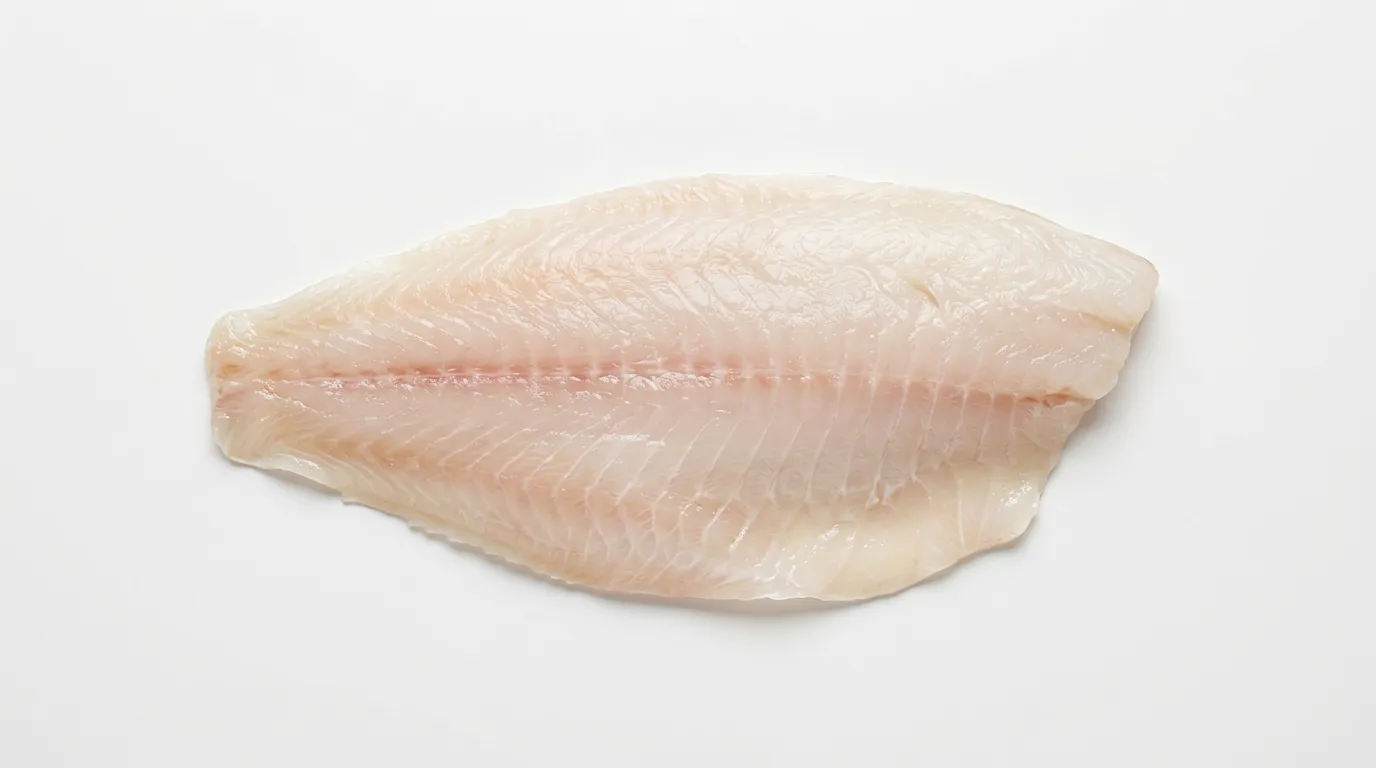
Offer freshly cooked arctic char as large soft flakes or strips about the size of two adult fingers pressed together. Remove all bones and skin, and make sure the fish is tender enough to break apart easily in baby's mouth.
Once your baby is developing a pincer grasp, serve small deboned pieces or moist flakes mixed into rice, mashed vegetables, or yogurt-free fish salad. Soft fish cakes or patties can also work well if they are easy to break apart.
Offer bite-sized pieces of fully cooked arctic char or mix flakes into pasta, grain bowls, soups, or omelets. Continue to avoid bones and go easy on smoked or salty preparations.
Pairs well with
Safety & allergens
Arctic char is low choking risk when fully cooked and served soft, flaky, and completely free of bones and skin. For younger babies, offer large flakes or finger-length strips they can grasp. For older babies and toddlers, offer small pieces, mixed into moist foods, or formed into soft fish cakes. Check every serving carefully for pin bones.
What to watch for
Safety checklist
Storage & shelf life
Refrigerate cooked arctic char in an airtight container and use within 2-3 days.
Freeze cooked arctic char in an airtight container for up to 3 months. Thaw in the refrigerator before reheating and serving.
Nutrition
- Provides high-quality protein for growth
- Contains healthy fats, including omega-3s, for brain and eye development
- Offers vitamin B12 to support the nervous system
- Generally a lower-mercury fish choice
- A common allergen
- Contains no fiber
- Missed bones can be a safety risk
- Smoked versions can be high in sodium
Key nutrients
Nutrition facts
| Calories | 436kcal |
|---|---|
| Protein | 19.8g |
| Iron | 0.5mg |
| Calcium | 8.8mg |
| Potassium | 370mg |
| Zinc | 0.67mg |
per 100 g
In season
Common questions
When can babies eat Arctic Char?
Is Arctic Char a choking hazard?
Is Arctic Char a common allergen?
More first foods

Track Arctic Char and everything your baby eats
Log meals and reactions, get allergen alerts, and see your baby's food journey at a glance in the Alimoo app.


Backed by