
About Branzino
Branzino, also called European sea bass, is a mild white fish with a soft, flaky texture when cooked. Its gentle flavor and tender flesh can make it a good option for babies who are learning to enjoy fish, especially when served plain and carefully deboned. It provides high-quality protein to support growth and tissue repair, along with important nutrients like selenium, vitamin B12, and potassium. Branzino also contains healthy fats, including some omega-3 fatty acids, which support brain and eye development. Branzino is a finned fish, which is a common allergen. Introduce it in a small amount the first time and watch closely for signs of an allergic reaction. The biggest safety concern is not texture but bones, so every portion must be checked thoroughly before serving. Most babies can start branzino from 6 months old once it is fully cooked, moist, and completely deboned. For younger babies, offer large soft flakes or finger-length strips. As your child develops chewing and pincer skills, progress to smaller flakes, bite-sized pieces, and mixed fish dishes like patties or rice bowls.
How to serve by age
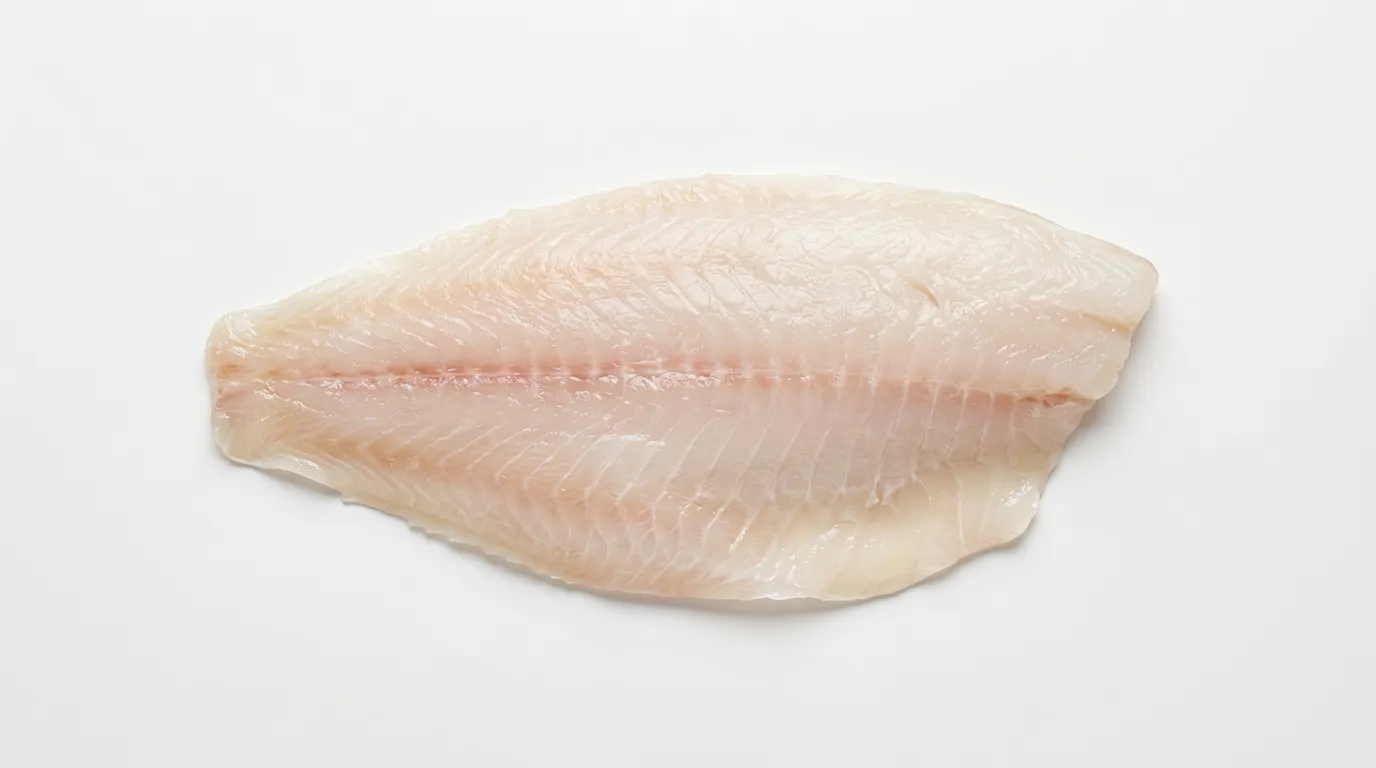
Offer plain, fully cooked branzino as large soft flakes or finger-length strips that your baby can grasp. Make sure the fish is moist and carefully checked for every bone before serving.
Serve small soft flakes or bite-sized pieces once your baby is developing a pincer grasp. You can also mix deboned fish into mashed vegetables, rice, or pasta for easier self-feeding.
Offer branzino in small pieces, shredded into family meals, or formed into soft fish patties. Continue to avoid bones and keep seasonings mild and low in salt.
Toddlers can eat branzino as part of family meals in small pieces or flakes. Continue close supervision and check carefully for bones, especially in whole-fish preparations.
Pairs well with
Safety & allergens
Branzino itself is soft and flaky when cooked, but hidden bones are a serious choking hazard. Serve only fully cooked, moist fish that has been carefully checked and completely deboned. Offer large soft flakes or strips for younger babies and small bite-sized pieces for older babies and toddlers.
What to watch for
Safety checklist
Storage & shelf life
Refrigerate cooked branzino in an airtight container and use within 3-4 days.
Freeze cooked branzino in an airtight container for up to 3 months. Thaw in the refrigerator before reheating and serving.
Nutrition
- Provides high-quality protein for growth
- Contains omega-3 fats that support brain and eye development
- Rich in vitamin B12 for blood and nerve health
- Provides selenium for antioxidant support
- Naturally low in carbohydrates and sugar
- A common allergen
- Not a significant source of fiber
- Can pose a choking risk if any bones remain
- Nutrient content can vary by wild versus farmed fish and preparation method
Key nutrients
Nutrition facts
| Calories | 124kcal |
|---|---|
| Protein | 23.5g |
| Fat | 2.6g |
| Iron | 0.3mg |
| Calcium | 18.0mg |
| Potassium | 384mg |
| Vitamin A | 12.0µg |
| Folate | 5µg |
| Zinc | 0.40mg |
per 100 g
In season
Common questions
When can babies eat Branzino?
Is Branzino a choking hazard?
Is Branzino a common allergen?
More first foods

Track Branzino and everything your baby eats
Log meals and reactions, get allergen alerts, and see your baby's food journey at a glance in the Alimoo app.


Backed by