
About Crème Fraîche
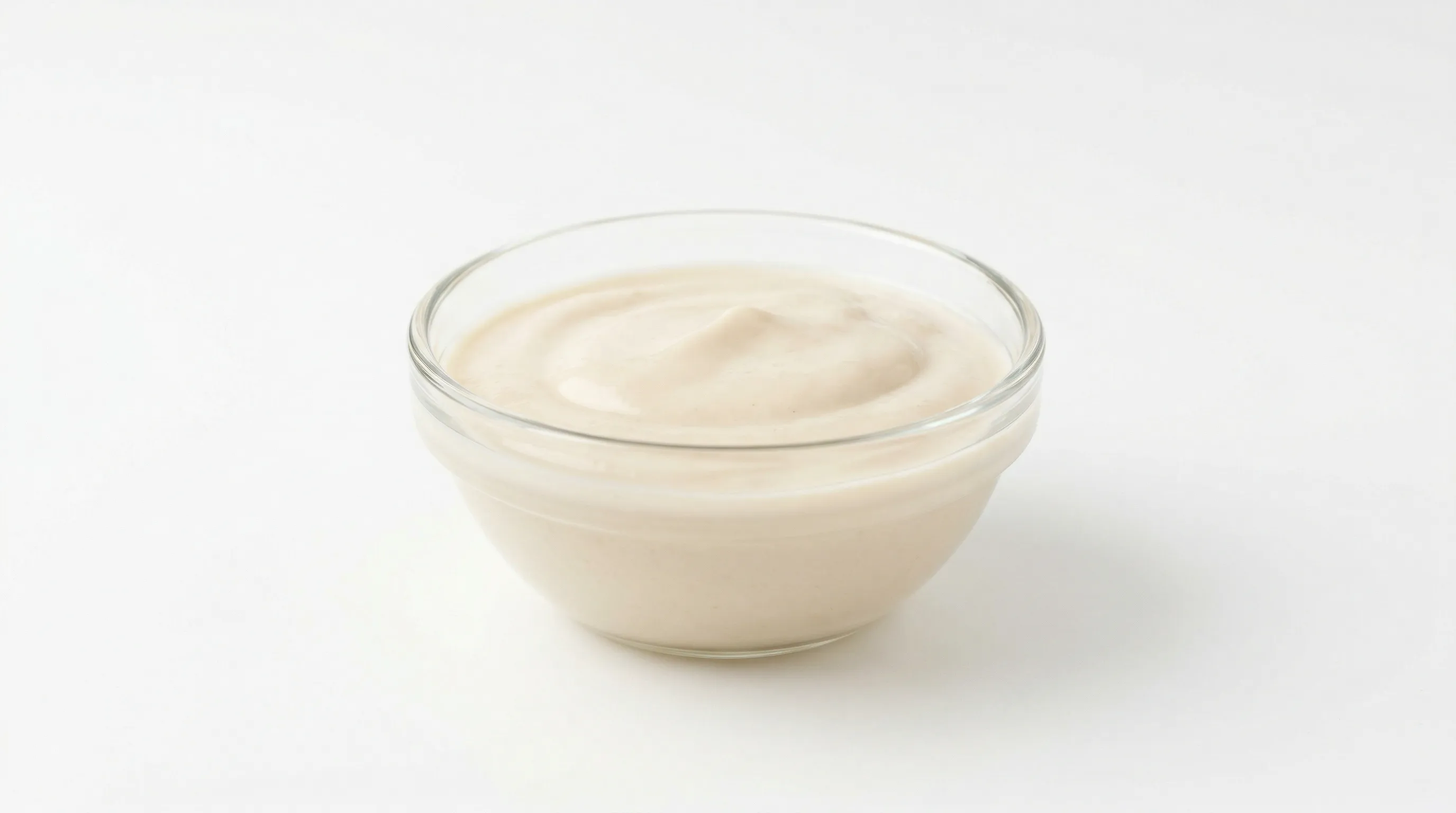
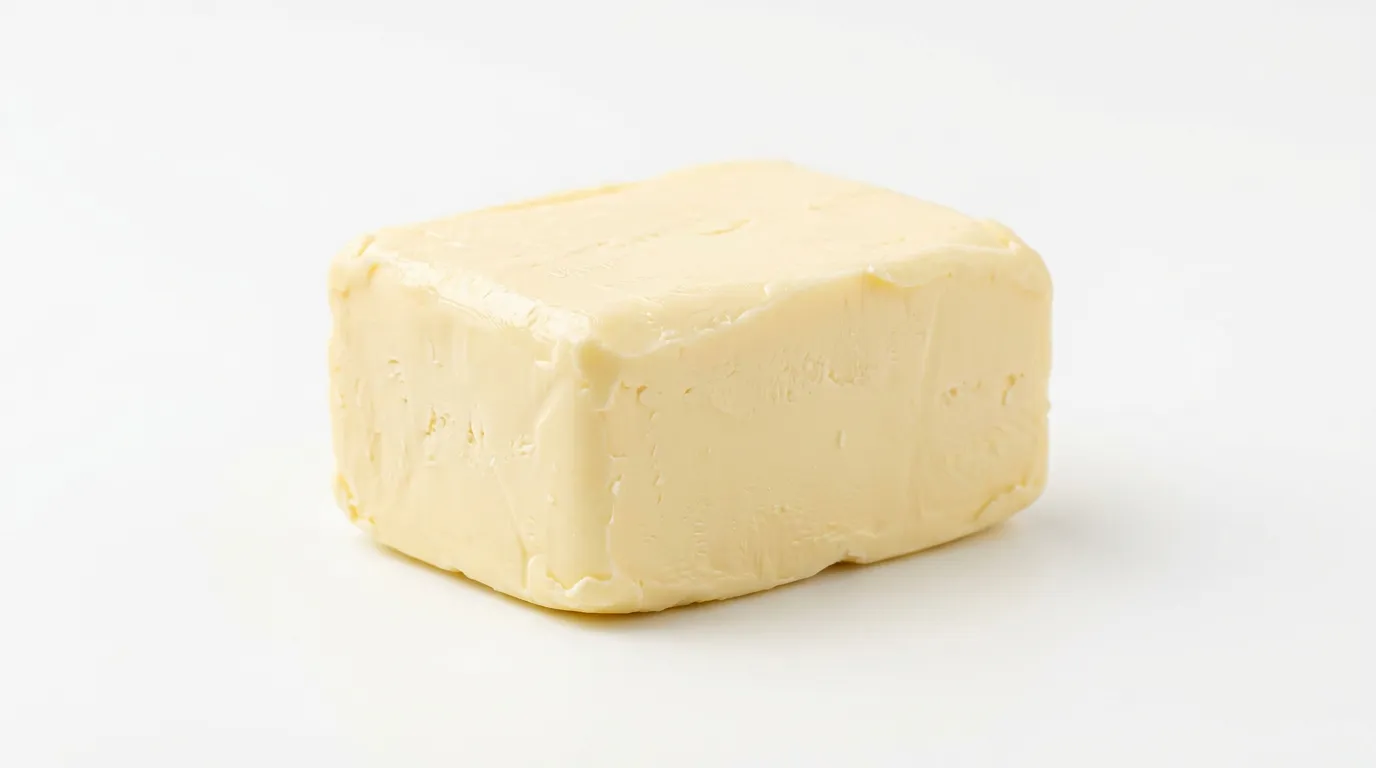
Crème fraîche is a cultured cream with a rich, tangy flavor and smooth texture. It can add creaminess to foods babies already enjoy, such as mashed vegetables, porridge, pasta, or soft toast fingers. Because it is soft and easy to mix into other foods, it can be a simple way to introduce new flavors and textures from 6 months onward. It provides fat for energy and brain development, along with small amounts of calcium and vitamin A. Full-fat dairy foods like crème fraîche can help make meals more satisfying for growing babies and toddlers, especially when paired with iron-rich foods such as beans, lentils, eggs, meat, or fortified grains. Crème fraîche is made from cow's milk, so it is a common allergen. Always choose pasteurized crème fraîche for babies and toddlers, since unpasteurized dairy can carry harmful bacteria. It is not a choking hazard on its own, but it should be spread thinly or stirred into foods rather than served in large slippery spoonfuls that may be hard for a young baby to manage. Most babies can start crème fraîche from 6 months old in small amounts mixed into familiar foods. As your child gets older, you can use it as a dip, spread, or ingredient in sauces and cooked dishes. Keep portions modest, since crème fraîche is high in saturated fat and is best used as part of a balanced meal rather than as a main food.
How to serve by age
Offer a small amount of pasteurized crème fraîche stirred into mashed vegetables, porridge, or soft pasta, or spread a thin layer on soft toast fingers. Avoid large plain spoonfuls if your baby is still learning to manage slippery textures.
Use crème fraîche as a thin dip for soft cooked vegetables or stir it into scrambled eggs, beans, pasta, or grain dishes. Keep pieces soft and easy to mash between fingers.
Stir into soups, mashed potatoes, sauces, or casseroles, or use as a topping on soft foods. Continue offering modest portions as part of a balanced meal.
Toddlers can enjoy crème fraîche in dips, on toast, or mixed into family meals. Keep supervising and pair it with nutrient-dense foods rather than relying on it as a main source of nutrition.
Pairs well with
Safety & allergens
Crème fraîche is low choking risk because it is smooth and soft. Serve it spread thinly on toast fingers, stirred into mashed or chopped foods, or used as a dip with soft foods. Avoid pairing it with hard crackers or other choking hazards, and always supervise meals.
What to watch for
Safety checklist
Storage & shelf life
Store crème fraîche in the refrigerator and keep the container tightly closed. Once opened, use within about 3-5 days or follow the package guidance if sooner.
Freezing is not recommended, as the texture can separate and become grainy after thawing.
Nutrition
- Provides fat for energy and growth
- Contains calcium for bones and teeth
- Provides vitamin A for vision and immune function
- Adds creaminess that can help babies accept new foods
- High in saturated fat
- Low in iron
- Low in fiber
- Not a major source of protein compared with yogurt or cheese
Key nutrients
Nutrition facts
| Protein | 5.4g |
|---|---|
| Carbs | 26.1g |
| Sugar | 16.2g |
| Iron | 0.7mg |
| Calcium | 73.0mg |
| Potassium | 160mg |
| Folate | 68µg |
| Zinc | 0.54mg |
per 100 g
In season
Common questions
When can babies eat Crème Fraîche?
Is Crème Fraîche a choking hazard?
Is Crème Fraîche a common allergen?
More first foods


Track Crème Fraîche and everything your baby eats
Log meals and reactions, get allergen alerts, and see your baby's food journey at a glance in the Alimoo app.


Backed by