
About Coconut Yogurt
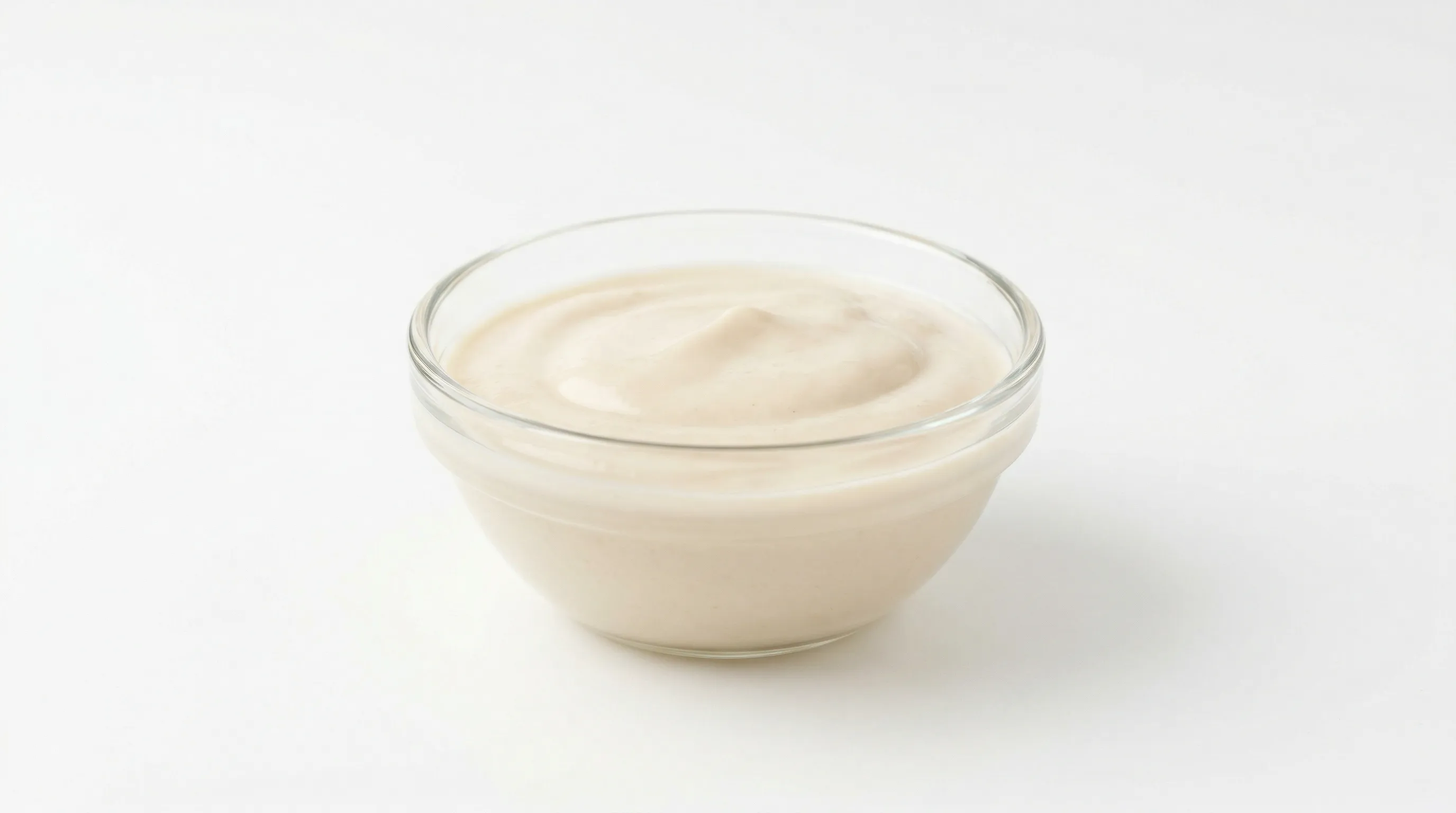
Coconut yogurt is a plant-based yogurt alternative made from coconut milk or coconut cream, often cultured with live bacteria for a tangy flavor. Its smooth texture can make it easy for babies to explore from a spoon, on a preloaded utensil, or mixed into other foods. It can provide energy from fat and may contain probiotics if it includes live active cultures. Some fortified versions also add calcium and vitamin D, but nutrition varies widely by brand. Compared with dairy yogurt, coconut yogurt is usually lower in protein, so it is best paired with other nutrient-rich foods rather than relied on as a main protein source. Coconut is not considered a common allergen, and true coconut allergy is uncommon. However, packaged coconut yogurt may contain added sugar or other allergens such as milk, soy, or tree nuts depending on the brand and manufacturing process. Always read labels carefully and choose plain, unsweetened varieties when possible. Most babies can start coconut yogurt from 6 months old. For younger babies, offer plain yogurt on a preloaded spoon or mixed with iron-rich foods like oats or smooth bean purée. As your child grows, you can serve it thicker in a bowl for self-feeding, use it as a dip, or mix it into fruit, grains, and savory meals.
How to serve by age
Offer plain, unsweetened coconut yogurt on a preloaded spoon, or mix a small amount into oatmeal or smooth purées. Choose a brand without added sugar and check labels for other allergens.
Serve coconut yogurt in a shallow bowl for scooping practice, or use it as a dip for soft fruit or tender cooked vegetables. Continue to avoid crunchy toppings and sweetened varieties.
Offer coconut yogurt as part of snacks or meals, mixed with oats, fruit, or chia that has been fully softened. Pair with protein- and iron-rich foods since coconut yogurt is usually low in protein.
Toddlers can eat coconut yogurt independently with a spoon or as part of bowls and dips. Keep choosing plain versions and supervise closely if mixed with textured toppings.
Pairs well with
Safety & allergens
Plain coconut yogurt is low choking risk because it is smooth and spoonable. Serve it plain or mixed into soft foods, and avoid adding choking hazards such as whole nuts, large seeds, or thick sticky clumps of nut butter.
What to watch for
Safety checklist
Storage & shelf life
Store unopened coconut yogurt according to the package directions. Once opened, refrigerate in a sealed container and use within 3-5 days.
Freeze in small airtight portions for up to 3 months. Texture may separate after thawing, so stir well before serving.
Nutrition
- Provides fat for energy
- May contain live cultures that support gut health
- Often easy to eat because of its smooth texture
- Some fortified brands provide calcium
- Usually low in protein compared with dairy yogurt
- Nutrition varies a lot by brand
- Many products contain added sugar
- Unfortified versions may provide little calcium or vitamin D
Key nutrients
Nutrition facts
| Calories | 92kcal |
|---|---|
| Protein | 8.1g |
| Carbs | 11.0g |
| Fat | 1.7g |
| Fiber | 0.5g |
| Iron | 0.0mg |
| Calcium | 93.0mg |
| Vitamin C | 1mg |
| Vitamin A | 19.0µg |
per 100 g
In season
Common questions
When can babies eat Coconut Yogurt?
Is Coconut Yogurt a choking hazard?
Is Coconut Yogurt a common allergen?
More first foods

Track Coconut Yogurt and everything your baby eats
Log meals and reactions, get allergen alerts, and see your baby's food journey at a glance in the Alimoo app.


Backed by