
About Bone Broth
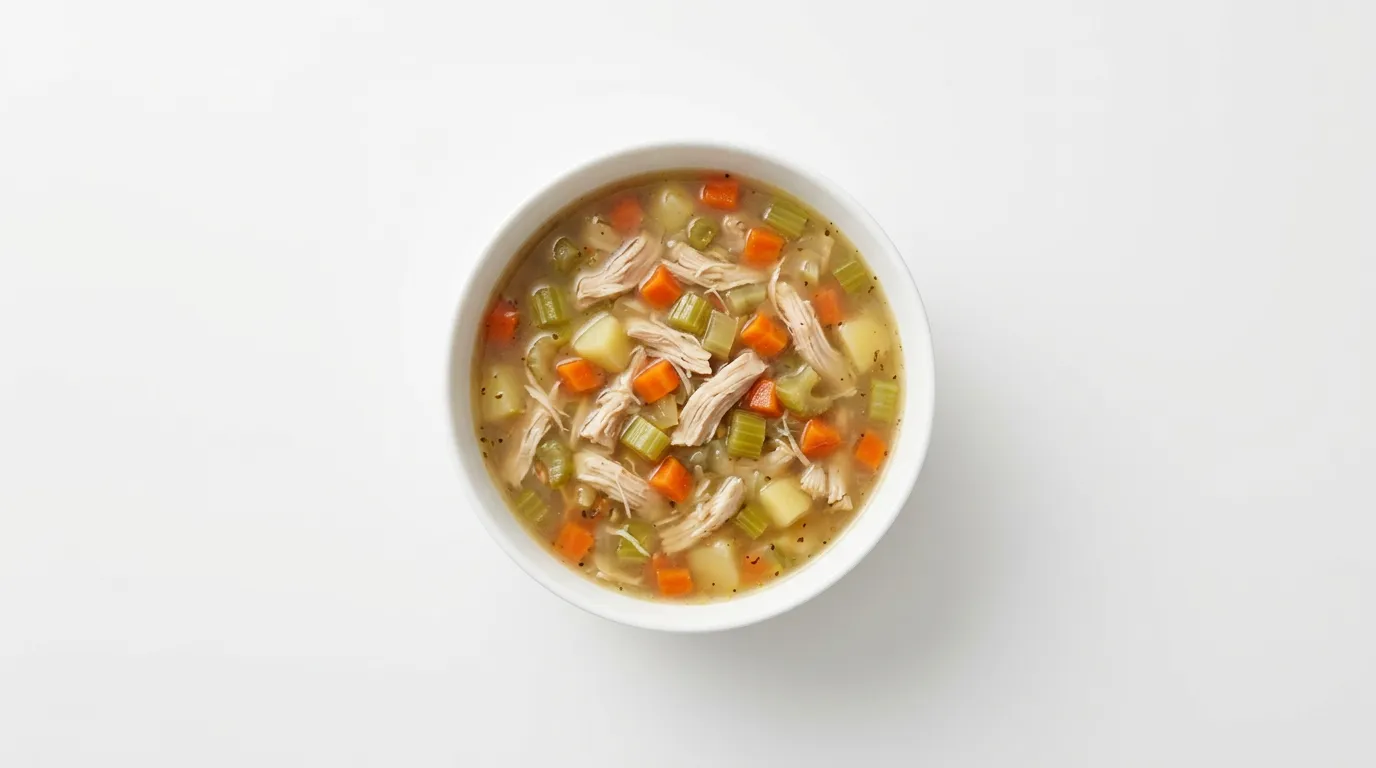
Bone broth is a savory liquid made by simmering animal bones and connective tissue in water, sometimes with vegetables or herbs. For babies, it can add flavor and moisture to foods like mashed vegetables, grains, soups, and shredded meats, which may help make family foods easier to eat. Bone broth provides fluid and small amounts of protein and minerals, but it is not a major source of iron or other key nutrients compared with foods like meat, beans, eggs, or fortified cereals. It can be a useful addition to meals, especially for cooking, but it should not replace breast milk, formula, or nutrient-dense solid foods. Bone broth is not a common allergen on its own, but packaged or homemade recipes may include hidden allergens such as soy, wheat, milk, celery, or sesame depending on the ingredients used. It can also be high in sodium, and some children may seem sensitive to histamine-rich foods, so choose low-sodium versions and introduce plain broth first when possible. Most babies can have small amounts of bone broth from 6 months old, ideally used in cooking or offered in a small open cup with meals. For younger babies, keep portions modest and avoid serving it in a bottle. As your child grows, bone broth can be used more freely in soups, stews, grains, and family meals.
How to serve by age
Use bone broth to moisten mashed foods, grains, or shredded meats, or offer a small amount in an open cup with meals. Keep it plain or low sodium, strain well, and do not use it in a bottle.
At this stage, bone broth can be used more often in soups, stews, lentils, rice, and soft family foods. Continue to strain out any bones or large pieces and keep sodium low.
Toddlers can enjoy bone broth as part of soups and stews or as a small drink with meals. It should still complement, not replace, nutrient-rich foods and milk feeds appropriate for age.
Pairs well with
Safety & allergens
Bone broth itself is low choking risk because it is a liquid, but any solids mixed into it can be a hazard. Strain out bones, cartilage, skin, herb stems, and large vegetable pieces. Serve warm, not hot, in a small open cup, straw cup, or mixed into foods rather than in a bottle.
What to watch for
Safety checklist
Storage & shelf life
Refrigerate bone broth in an airtight container and use within 3-5 days.
Freeze in small portions for up to 3 months. Thaw in the refrigerator and reheat until steaming, then cool to a safe serving temperature.
Nutrition
- Adds moisture and flavor to baby foods
- Provides fluid for hydration
- Contains small amounts of protein and minerals
- Can help soften grains, vegetables, and meats
- Not a significant source of iron for babies
- Often high in sodium unless specially prepared
- Low in calories and not filling on its own
- Should not replace breast milk, formula, or nutrient-dense foods
Key nutrients
Nutrition facts
| Calories | 16kcal |
|---|---|
| Protein | 2.0g |
| Carbs | 0.4g |
| Fat | 0.6g |
| Sugar | 0.1g |
| Iron | 0.2mg |
| Calcium | 30.0mg |
| Potassium | 86mg |
| Vitamin A | 1.0µg |
| Folate | 4µg |
| Zinc | 0.10mg |
per 100 g
In season
Common questions
When can babies eat Bone Broth?
Is Bone Broth a choking hazard?
Is Bone Broth a common allergen?
More first foods


Track Bone Broth and everything your baby eats
Log meals and reactions, get allergen alerts, and see your baby's food journey at a glance in the Alimoo app.


Backed by