Stool patterns in babies can vary a lot. Some babies poop several times a day, while others go a few days between bowel movements and still seem comfortable. Constipation is less about how often your baby poops and more about how hard, dry, painful, or difficult the stool is to pass.
Constipation can happen in breastfed babies, formula-fed babies, and babies who have started solids. It is often temporary and improves with simple feeding changes, but sometimes it can be a sign that your baby needs medical advice.
This guide explains what is usually normal, what may point to constipation, and which feeding steps may help. It also covers the common role of solids, fluids, fiber, and the well-known “P” fruits: prunes, pears, and peaches.
What is normal in baby poop?
Normal bowel habits change with age and feeding type. Newborns may stool many times per day, especially if breastfed. As babies grow, the number of stools often becomes less predictable. Some babies strain or turn red while learning to coordinate a bowel movement, but if the stool is soft, this is not usually constipation.
If you are unsure whether your baby's stool is normal, note the texture, size, and whether passing it seems painful. Those details help your pediatrician judge whether this is constipation or a normal variation.
Why constipation can happen
Constipation often appears when a baby's diet changes. Starting solids can make stools firmer, especially if the new foods are low in fiber or if milk feeds are reduced too quickly. Some babies also become constipated during routine changes, illness, or when they are drinking less than usual.
For babies younger than 6 months, constipation is less common and should be discussed with a clinician if you are concerned. In older babies, especially after solids begin, mild constipation is often related to diet and stool consistency rather than a serious disease.
How solids affect stooling
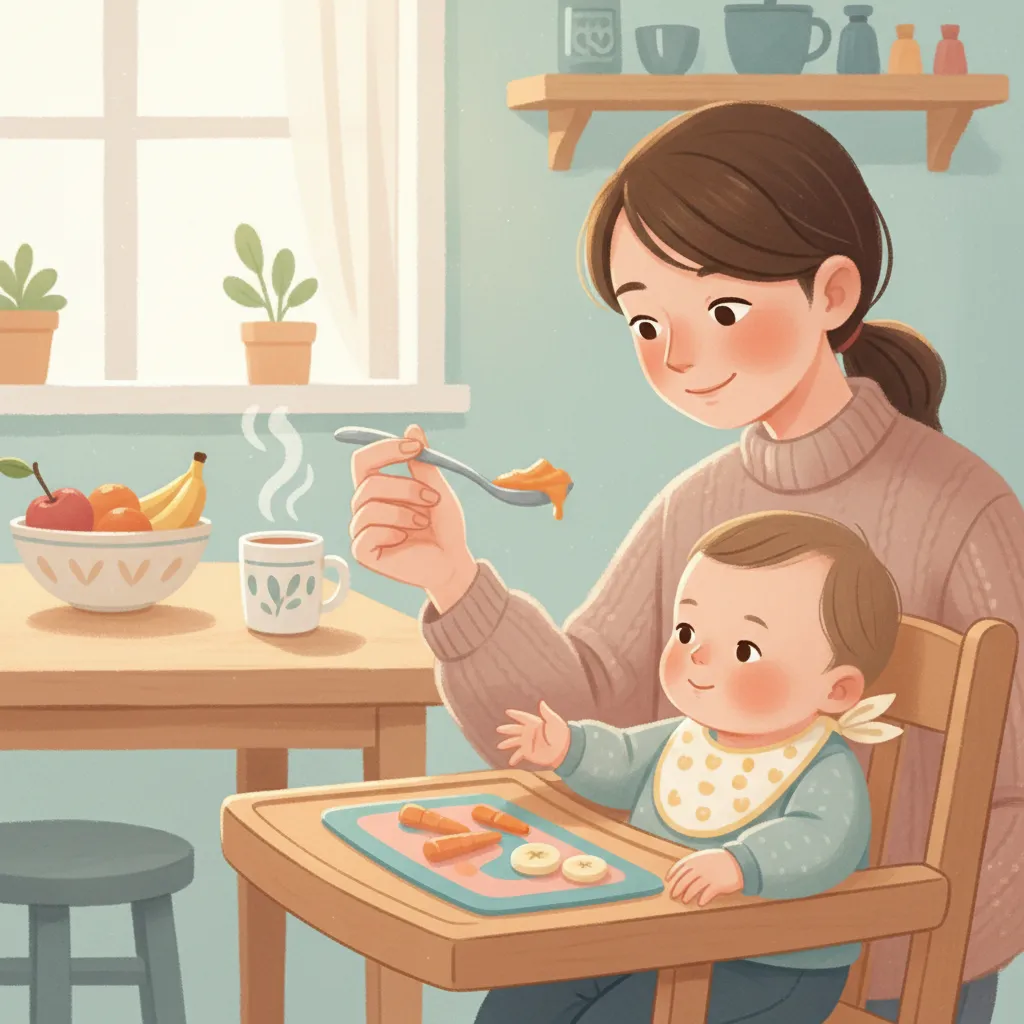
When babies begin solids, their stools usually become more formed and smell stronger. That change alone is expected. But if new foods are low in fluid or fiber, stools may become harder and your baby may strain more.
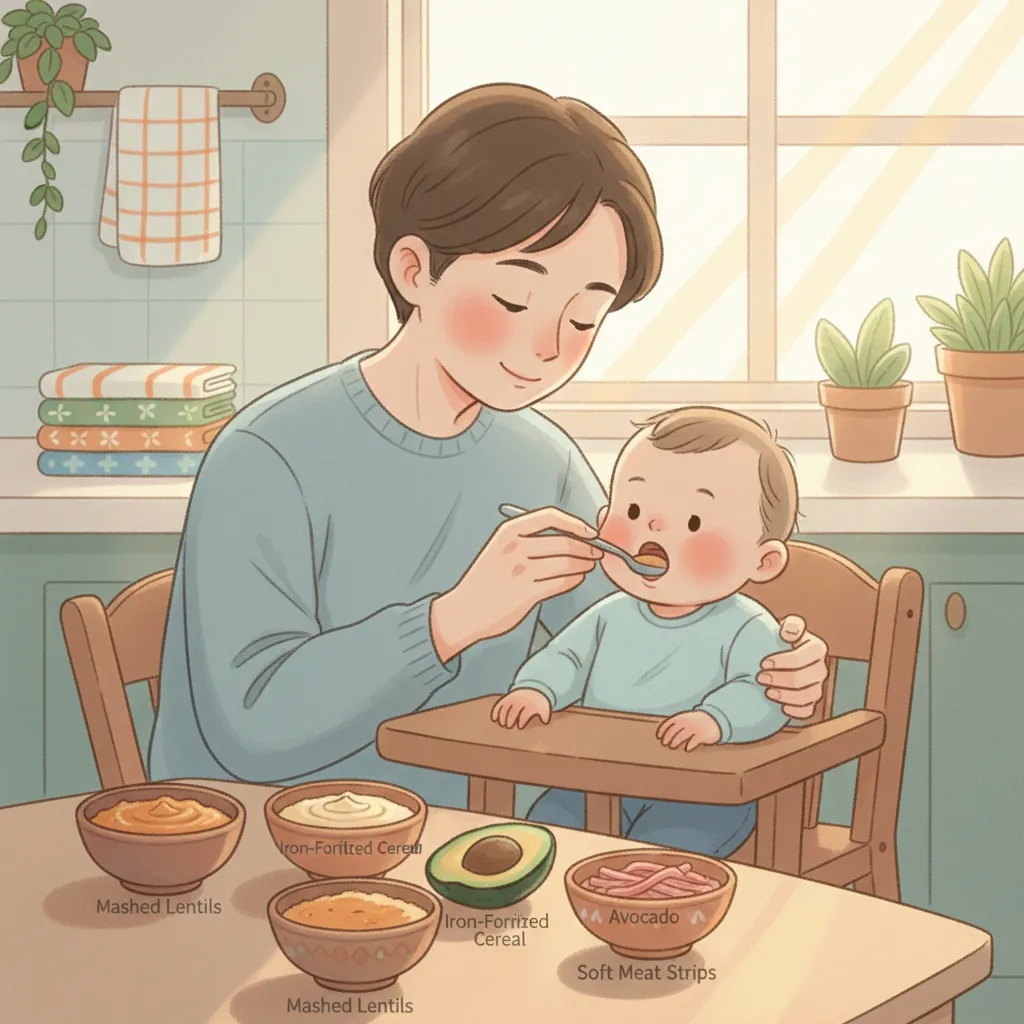
If constipation starts soon after solids begin, do not stop solids completely. Instead, adjust the mix of foods so your baby gets more stool-softening options and enough milk or other recommended fluids for age.
Fluids: milk still matters
For babies under 1 year, breast milk or infant formula remains the main source of fluid and nutrition. Once solids start, many babies also need small amounts of water with meals, especially as they get older. Not enough fluid can make stool firmer, but too much juice is not a good solution.
Do not give laxatives, suppositories, enemas, herbal remedies, or constipation medicines unless your pediatrician specifically tells you to. Babies need an age-appropriate evaluation before any medication is used.
Foods that may help: the “P” fruits
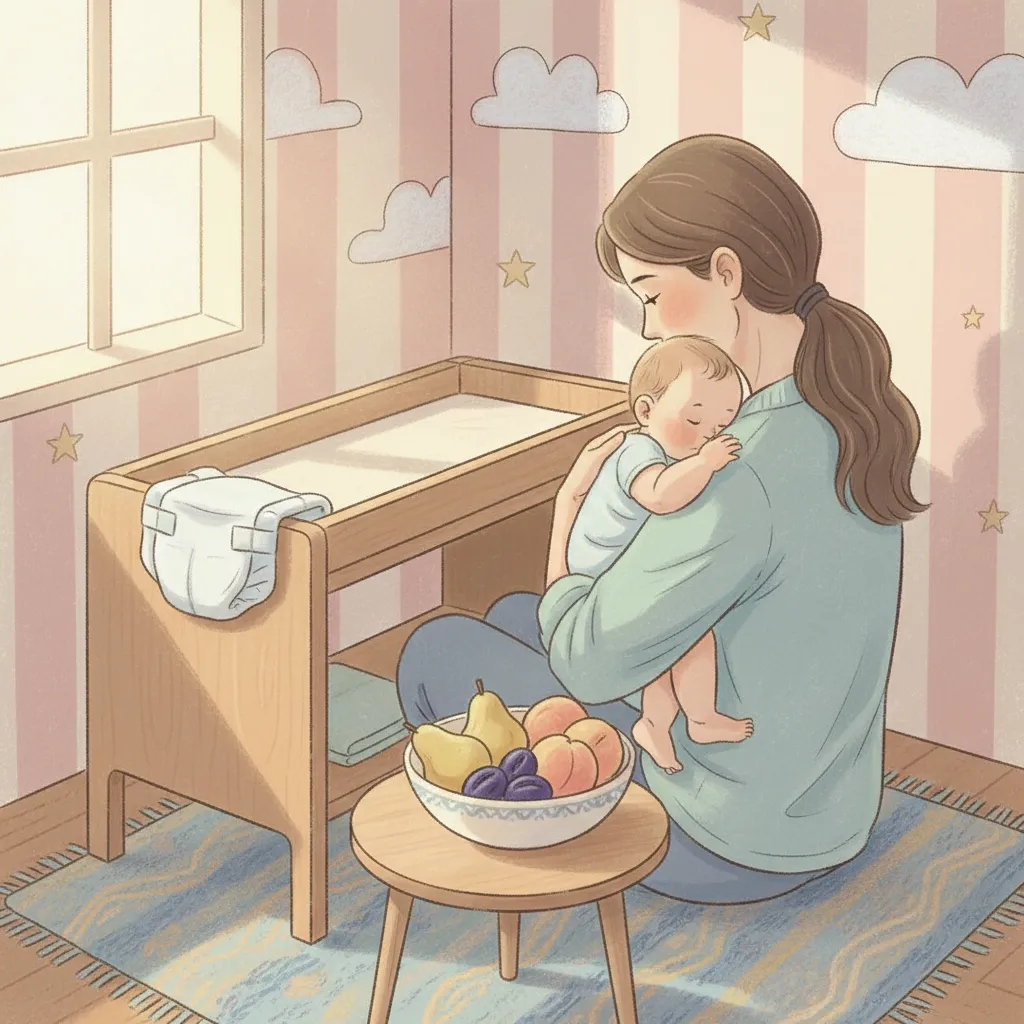
Prunes, pears, and peaches are often suggested because they contain water and naturally occurring sugars that can help soften stool. These foods may be offered as purees for younger babies or soft, age-appropriate pieces for older babies who are ready for finger foods.
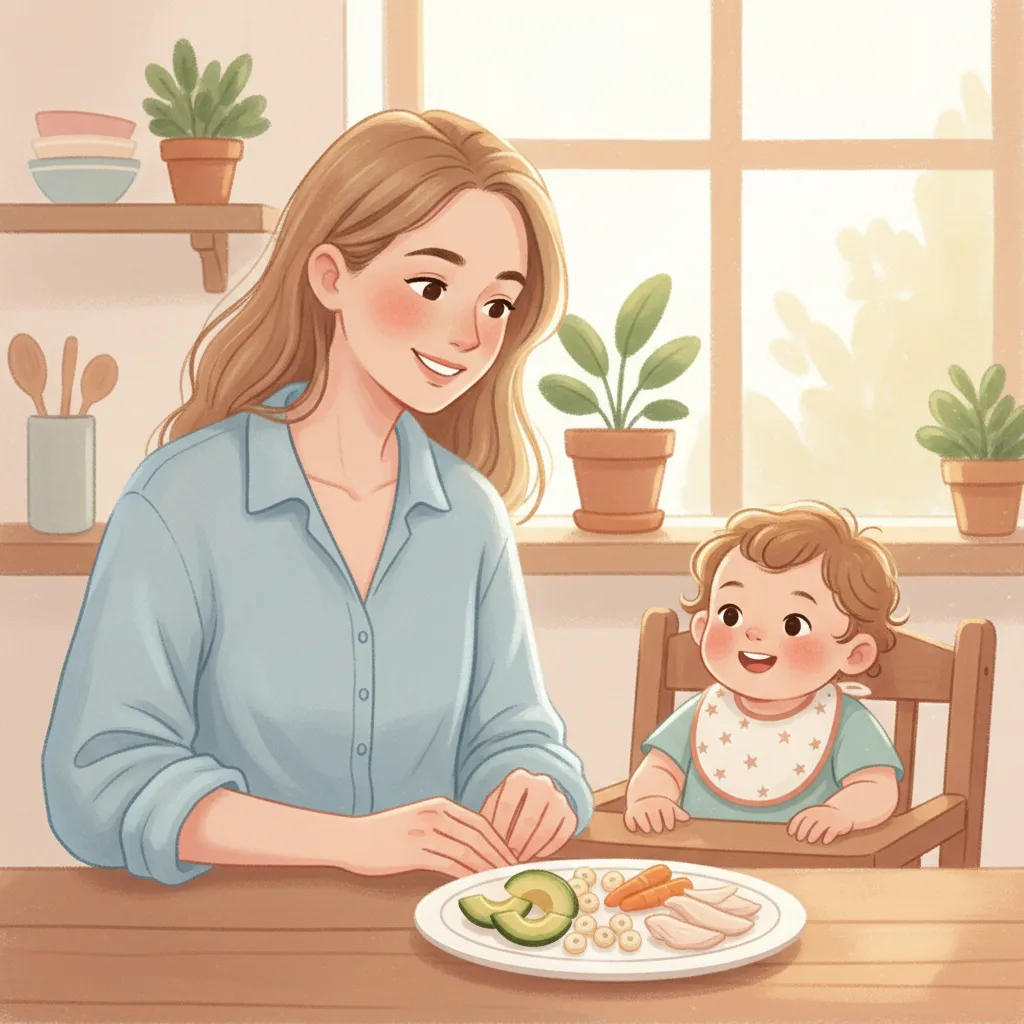
A simple constipation meal pattern is: milk feeds as usual, plus one or two servings of a stool-friendly fruit or vegetable each day, along with other age-appropriate foods.
Other feeding changes that can help
The goal is not just to add fiber, but to build a balanced pattern that keeps stools soft and supports normal growth. For many babies, small changes work better than a big diet overhaul.
If your baby is over 6 months old and constipation continues, your pediatrician may suggest a short-term feeding plan that includes more fruit, a little more water, or a small amount of fruit juice. The best approach depends on your baby’s age, diet, and stool pattern.
When to call your pediatrician
Call your pediatrician if your baby has hard stools that keep happening, painful bowel movements, or constipation that does not improve after a few days of feeding changes. Babies with ongoing constipation may need an exam to check for an underlying cause and to make sure treatment is safe for their age.
Seek urgent care sooner if your baby has a very swollen abdomen, green vomiting, severe lethargy, or signs of dehydration. These are not typical constipation symptoms and need prompt medical assessment.