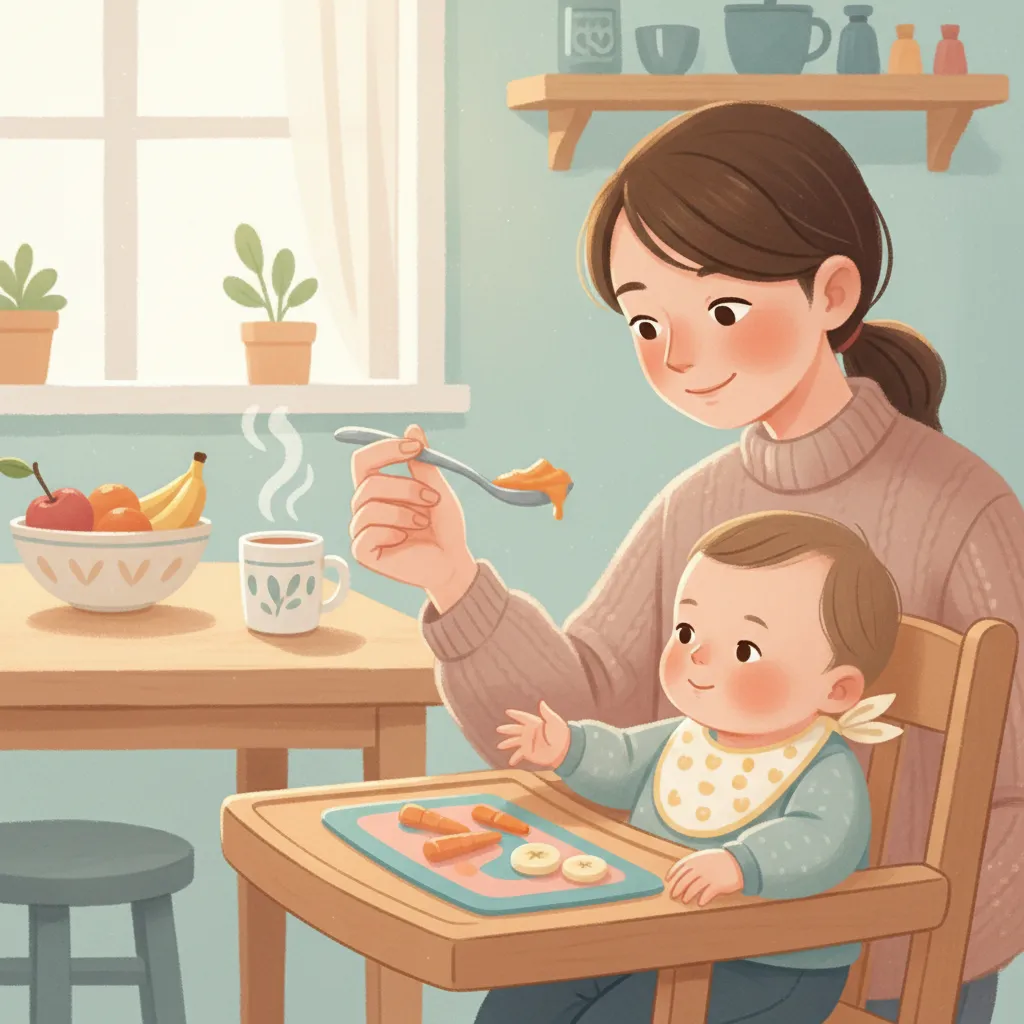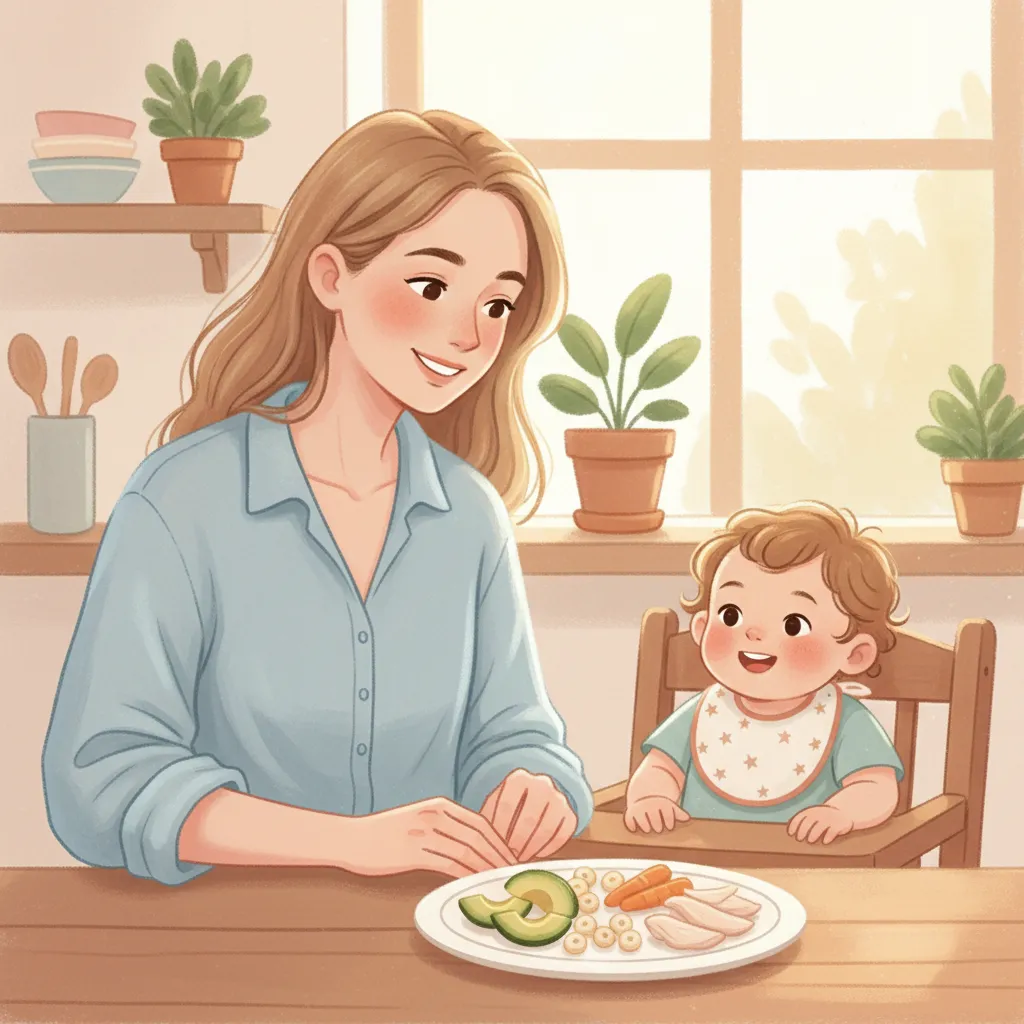

Around 6 months, many babies begin to need more iron than breast milk alone provides. Iron helps make healthy red blood cells and supports growth and brain development, so the first foods you offer matter. The good news is that babies can get iron from a variety of foods, including iron-fortified cereals, meats, beans, lentils, tofu, and some nut butters thinned to a safe texture.
If your baby is just starting solids, you do not need to make every meal complicated. A few iron-rich foods offered regularly, along with breast milk or formula, is a strong start. Pairing iron-containing foods with vitamin C foods can help the body absorb plant-based iron more effectively.
Why iron matters after 6 months
Babies are born with iron stores that usually last for the first several months of life. After about 6 months, those stores start to run down, and many babies need iron from food. This is especially important for babies who were born early, had low birth weight, or are mainly breastfed without an iron supplement, because they may be more likely to become iron deficient.
Iron deficiency can affect energy, appetite, and development. Severe or long-lasting iron deficiency can lead to iron-deficiency anemia, which is why pediatric guidance emphasizes iron-rich complementary foods during infancy.
Think of iron as a daily goal, not an occasional extra. Offering at least one iron-rich food at most meals is a practical way to build a strong routine.
Best iron-rich first foods
There are two main types of dietary iron. Heme iron from animal foods is absorbed well. Non-heme iron from plant foods is still valuable, especially when paired with vitamin C foods. Many babies do well with a mix of both.
Iron-fortified infant cereal is often one of the easiest first iron foods because it mixes smoothly and can be served by spoon. Meat, beans, and lentils are also excellent choices and can be puréed, mashed, or served in soft strips depending on how your baby eats.
Avoid honey before 12 months, and do not serve hard, round, sticky, or chunky foods that can increase choking risk. Nut butters should never be offered in a thick spoonful or a blob; thin them and spread or mix them into other foods.
How much iron does your baby need?
Needs vary with age and feeding pattern, and your pediatrician may give specific advice if your baby was premature or has a medical condition. In general, the first year is a time to make iron-rich foods a regular part of the diet rather than relying on one specific portion size. The aim is consistency and variety.
If your baby drinks breast milk, remember that breast milk is an excellent food for many reasons, but it is not a rich source of iron. Formula is usually iron-fortified, but once solids begin, iron-rich foods still remain important for building a balanced diet.
A simple pattern is: iron food plus familiar milk feedings plus gradual variety. You do not need large portions at the start; even a few spoonfuls count.
Vitamin C helps absorb plant-based iron
Vitamin C can improve absorption of non-heme iron, the kind found in beans, lentils, tofu, and fortified cereals. You do not need special supplements for this—just pair iron-rich foods with a fruit or vegetable that contains vitamin C.
For babies, the best vitamin C foods are soft, age-appropriate, and easy to eat. You do not need to combine every bite, but including them in the same meal can help support iron absorption.
Easy ways to serve iron-rich foods
The safest texture depends on your baby's stage of feeding. Some babies do best with smooth purées, while others may be ready for mashed, minced, or soft finger foods. The key is that the food should be soft enough to mash between your fingers and shaped to reduce choking risk.
If you are using baby-led weaning, keep foods soft and easy to grip. If you are using spoon-feeding, aim for smooth or mashed textures without added salt or sugar. Either approach can work as long as iron-rich foods are included regularly.
Common mistakes to avoid
Parents often worry that babies need large amounts of meat or that plant foods are not worth offering. In reality, both animal and plant sources can help meet iron needs, and variety is helpful. What matters most is offering iron-rich foods often enough and in safe textures.
Cow’s milk should not replace breast milk or formula as a main drink before 12 months, and it is not a good iron source. Large amounts of cow’s milk in the first year can also crowd out iron-rich foods.
What if your baby eats very little?
It is normal for early solid-food intake to be small. At first, solids are for learning, exposure, and building routines. Breast milk or formula remains the main source of nutrition through much of the first year, while solids gradually contribute more.
Keep offering iron-rich foods without pressure. Babies often need many exposures before accepting a new taste or texture. If your baby refuses one iron food, try another iron source or present the same food again on a different day.
Try one new iron food at a time alongside a familiar food your baby already accepts. Repeated, low-pressure exposure usually works better than trying to get a full serving in one meal.
When to call your pediatrician
Contact your pediatrician if you are worried your baby is not eating enough, was born early, had low birth weight, has a medical condition that affects feeding, or is exclusively breastfed and you are unsure whether an iron supplement is needed. Also call if your baby seems unusually pale, tired, irritable, has poor appetite, or is not growing as expected. Your pediatrician can help you decide whether your baby needs evaluation for iron deficiency or a feeding plan adjustment.