
Iron is a key nutrient for your baby’s growth, brain development, and healthy blood. During infancy, babies grow quickly, and their iron stores can run low if they are not getting enough iron from food or supplements. Iron deficiency can happen before anemia appears, so prevention is important even when your baby seems well.
Iron-deficiency anemia is one of the most common nutritional problems in young children worldwide. It can develop gradually, which means the early signs may be easy to miss. The good news is that you can reduce risk with the right foods, follow your pediatrician’s guidance on supplementation when needed, and watch for symptoms that deserve prompt attention.
Why iron matters in the first two years
Your baby needs iron to make hemoglobin, the protein in red blood cells that carries oxygen. Iron also supports brain development and normal energy levels. In the first months of life, babies use iron stored before birth, but those stores start to fall over time. This is why the period from about 4 to 24 months is a sensitive window for prevention.
Think of iron as a building block, not just a vitamin. A steady pattern of iron-rich foods is more helpful than trying to “catch up” later.
Who is at higher risk
Any baby can develop iron deficiency, but some babies are more likely to need closer attention. Risk is higher when iron intake is low, growth is rapid, or iron needs are increased.
Do not give cow’s milk as the main drink before 12 months. It is low in iron and can increase the risk of iron deficiency in infants.
Screening at 9 to 12 months
AAP guidance recommends routine anemia screening around 12 months of age, and earlier testing may be considered if your baby has risk factors or concerning symptoms. Some clinicians use a blood test to look for low hemoglobin or signs of iron deficiency, especially if diet history suggests a higher risk.
Bring a brief feeding history to the visit: breast milk or formula intake, when solids started, whether your baby eats iron-rich foods, and how much cow’s milk your child drinks if older than 12 months.
How to prevent iron deficiency with food
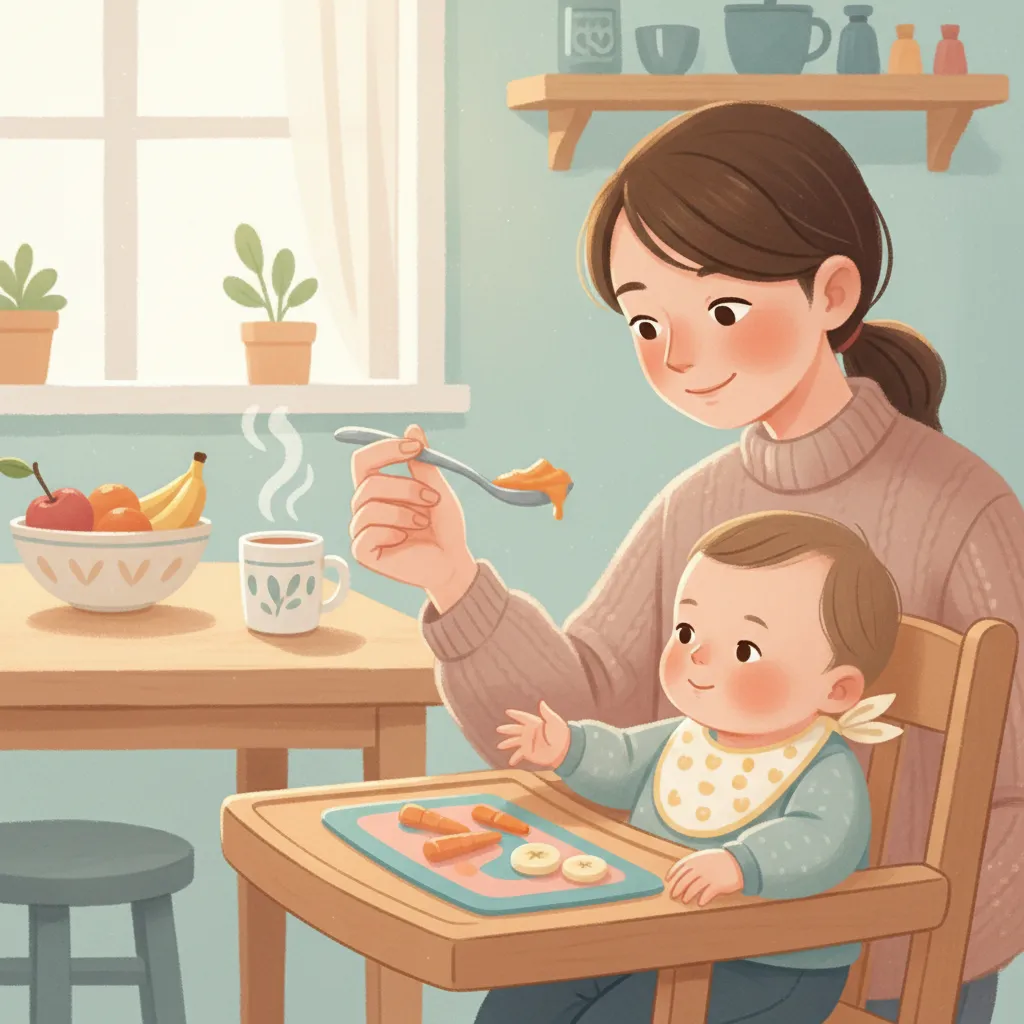
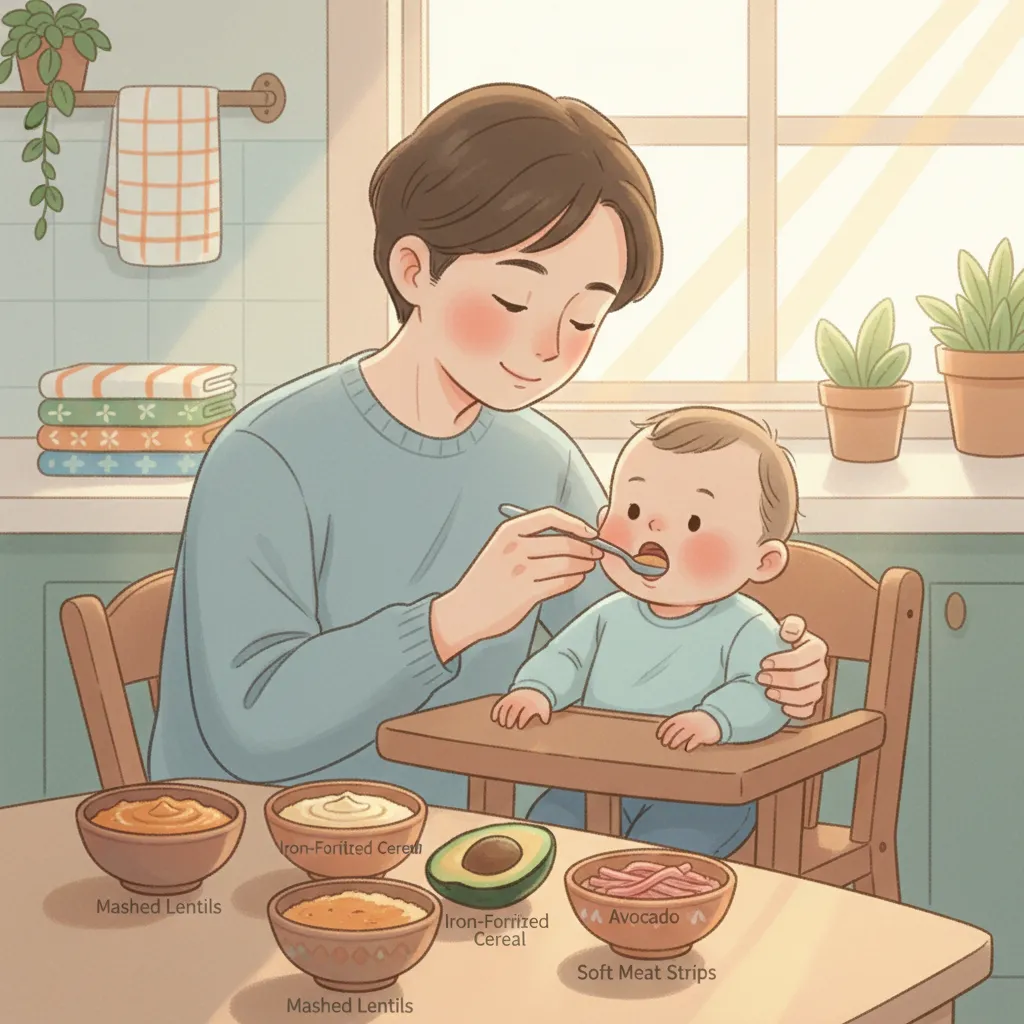
The easiest prevention strategy is to offer iron-rich foods early and often once solids are started. Babies absorb well from heme iron sources such as meat, poultry, and fish, and they can also get enough iron from fortified foods and plant sources when these are included regularly.
Pairing iron-containing foods with foods that contain vitamin C can help support iron absorption. Examples include fruit, tomato, peppers, broccoli, or other vegetables and fruits your baby tolerates.
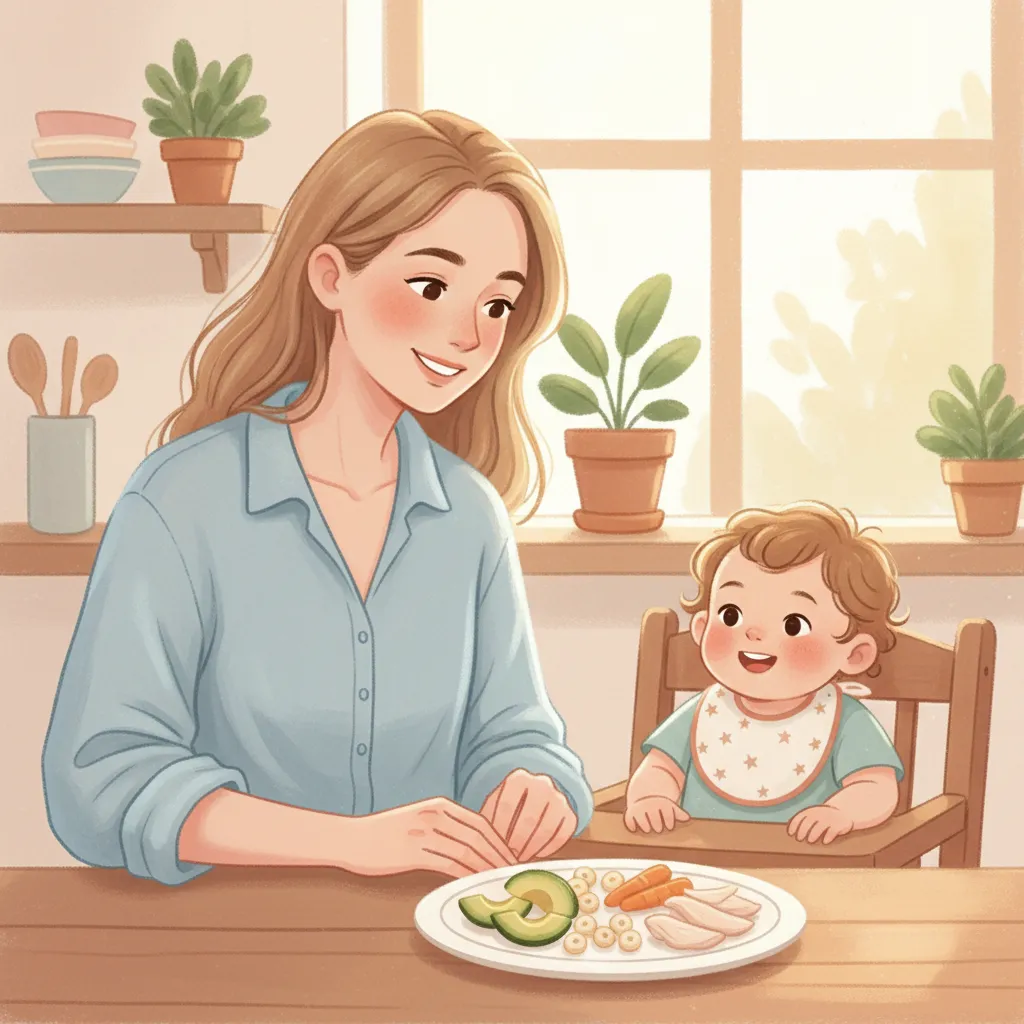
A simple routine helps: offer one iron-rich food at most meals, then build the rest of the meal around fruits, vegetables, grains, and healthy fats.
Supplements and when they are used
Some babies need iron supplements in addition to food. This is more common in premature babies, babies with known iron deficiency, or babies whose pediatrician believes their intake is not enough. Iron supplements should only be given in the dose recommended by your clinician, because too much iron can be harmful.
Keep all iron supplements out of reach of children. Iron overdose can be an emergency.
Signs and symptoms to watch for
Mild iron deficiency may cause few obvious symptoms, so it can be missed. As iron deficiency worsens, your baby may look or act differently. These changes are not specific to iron deficiency, but they are reasons to check in with your pediatrician.
Some babies with iron deficiency also seem less interested in play or may have sleep or behavior changes. Because these signs overlap with many other common infant issues, testing is often needed to know what is going on.
What treatment can look like
If your baby is diagnosed with iron-deficiency anemia, treatment usually includes iron supplementation and dietary changes. Your pediatrician may also look for the reason iron stores became low, such as inadequate intake, rapid growth, prematurity, or excess cow’s milk in older babies and toddlers.
If your baby is constipated on iron, ask your pediatrician before changing the dose. Sometimes a different schedule or formulation helps.
Practical ways to build iron into daily feeding
You do not need a perfect menu. Small, repeatable habits work well. The goal is to make iron-rich foods part of your baby’s regular pattern, not a one-time event.
If your baby is a picky eater, keep offering iron-rich foods in different forms. It can take many exposures before a baby accepts a new taste or texture.
When to call your pediatrician
Call your pediatrician if you notice pallor, unusual tiredness, ongoing irritability, poor feeding, slow growth, or any symptom that worries you. Also contact them if your baby was born early, has a restricted diet, drinks a lot of cow’s milk after 12 months, or you are unsure whether an iron supplement is needed.
If your baby has trouble breathing, seems very weak, collapses, or you suspect an overdose of iron or another medicine, seek emergency care right away.