
When your baby starts solids, most foods can be offered safely in age-appropriate textures. But there are a few important exceptions. Some foods are unsafe because they can cause choking, some because they may carry germs, and a few because babies’ bodies are not ready to handle them yet.
This guide focuses on the main foods and drinks to avoid before 12 months, and explains what to offer instead. The goal is not to make feeding stressful. It is to help you keep mealtimes safe while your baby learns to eat.
In general, babies under 12 months should have breast milk or formula as their main milk drink, and solids should be added gradually alongside it. If your baby was born early or has a health condition, your pediatrician may give you different advice.
1. Honey and products made with honey
Do not give honey to a baby under 12 months. Honey can contain spores that may cause infant botulism, a rare but serious illness. This includes honey in tea, on pacifiers, in baked goods if clearly not heated enough to be safe, and in any mixed foods where honey is an ingredient.
For sweetness, try mashed banana, unsweetened applesauce, ripe pear, or plain yogurt if your baby already tolerates dairy foods in meals.
2. Cow’s milk as a main drink
Cow’s milk should not be the main drink before 12 months. Babies under 1 year need breast milk or formula as their primary milk because cow’s milk does not provide the right balance of nutrients for this stage, and drinking too much can crowd out iron-rich foods.
Do not give low-fat, skim, or flavored milk to a baby under 12 months, and do not use cow’s milk as a substitute for formula or breast milk.
3. Salt, sugar, and highly processed foods
Babies do not need added salt or sugar. Their kidneys are still developing, and very salty foods can put extra strain on them. Sugary foods and drinks can also shape a baby’s taste preferences and may displace more nourishing foods.
If you are feeding family meals, set aside a baby portion before adding salt, salty sauces, or strong seasonings.
4. Choking hazards to avoid
Some foods are dangerous because of their shape, texture, or size. These can block a baby’s airway. Babies and young toddlers are still learning how to chew and move food around in their mouths, so choking prevention matters every day.
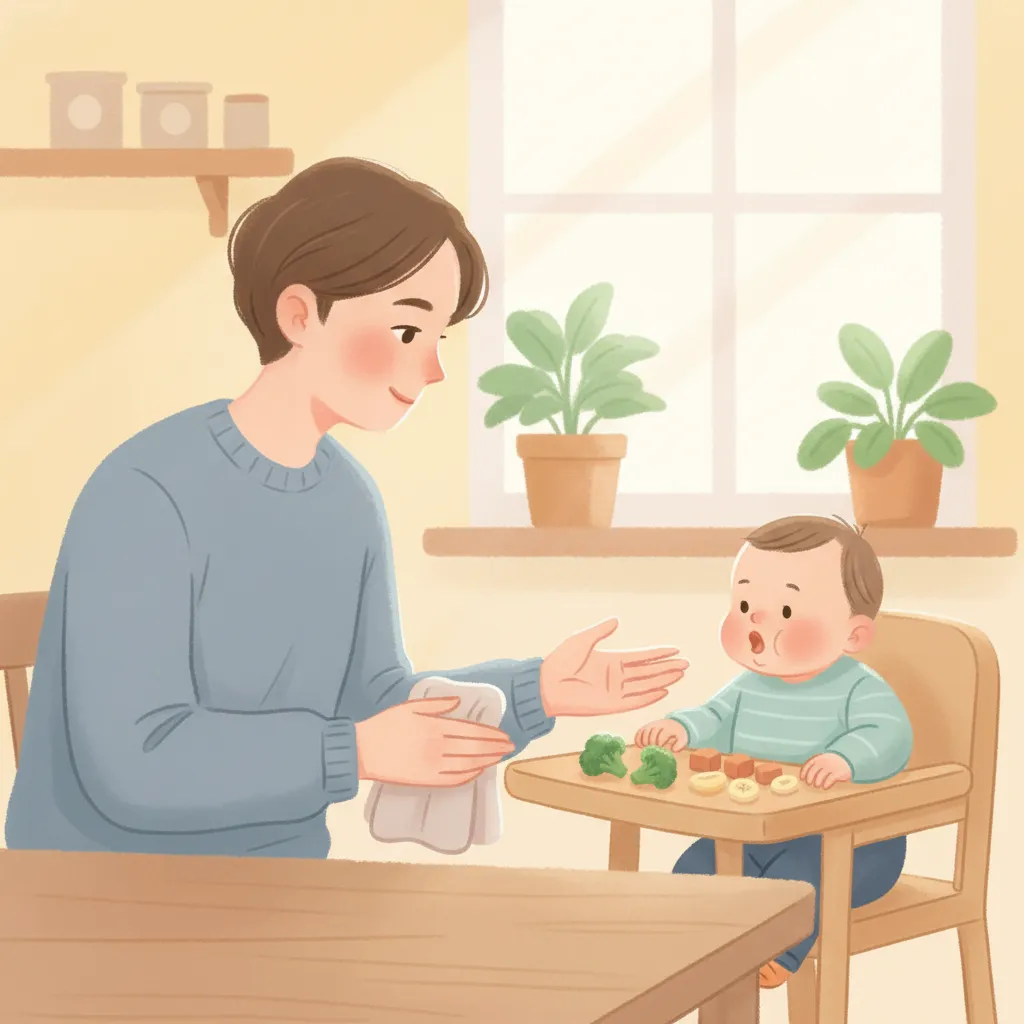
Safer textures include soft, mashable foods, thin spreads on toast, and fruits or vegetables cooked until tender. Grapes and cherry tomatoes should be cut lengthwise into small pieces, and round foods should be modified before serving.
Always supervise meals. Even foods that are usually safe can become choking risks if your baby is distracted, reclined, or given food in unsafe shapes.
5. Raw or undercooked animal foods
Babies are more vulnerable to foodborne illness than older children. Avoid raw or undercooked meat, poultry, fish, and eggs. Also avoid unpasteurized milk, soft cheeses made from unpasteurized milk, and raw sprouts, which can carry harmful bacteria.
If you are serving leftovers, reheat them until steaming hot and cool them to a safe temperature before offering them to your baby.
6. Fish to limit or avoid
Fish can be a healthy food for babies when it is fully cooked and low in mercury. But some fish should be avoided or limited because of mercury exposure. Fish with higher mercury levels are not good choices for infants and young children.
Fish can be introduced as part of a varied diet once your baby is ready for solids, as long as it is cooked safely and served in an age-appropriate texture. If your family eats fish often, ask your pediatrician or dietitian which types are best for your baby.
7. Foods that can hide under safe-looking names
Some foods sound harmless but still need caution. Baby food pouches, cereal bars, baked goods, smoothies, and sauces may contain ingredients that are not appropriate for babies under 12 months, or they may be too sweet, salty, or sticky.
A simple rule: if the food is hard, round, sticky, very salty, raw, or sweetened, pause and check whether it needs to be changed, cooked, or avoided.
8. What to offer instead
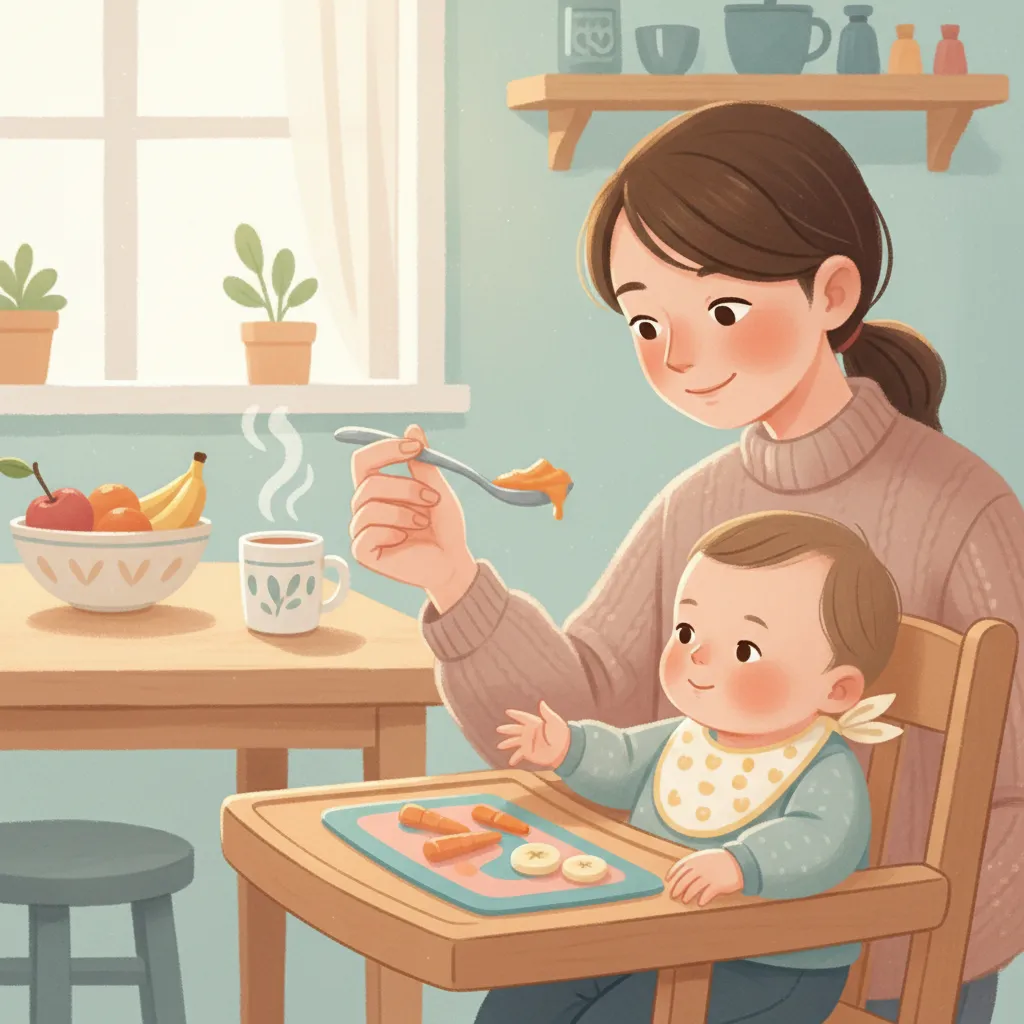
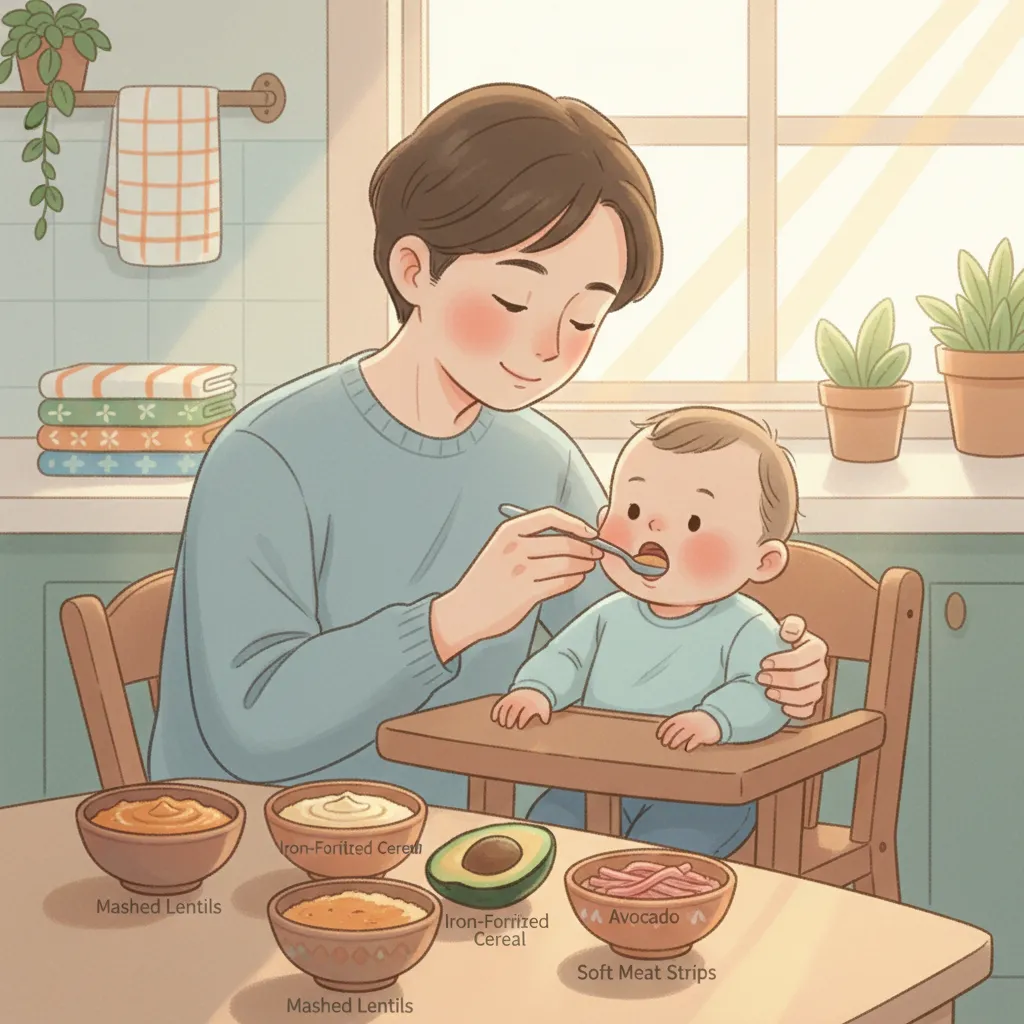
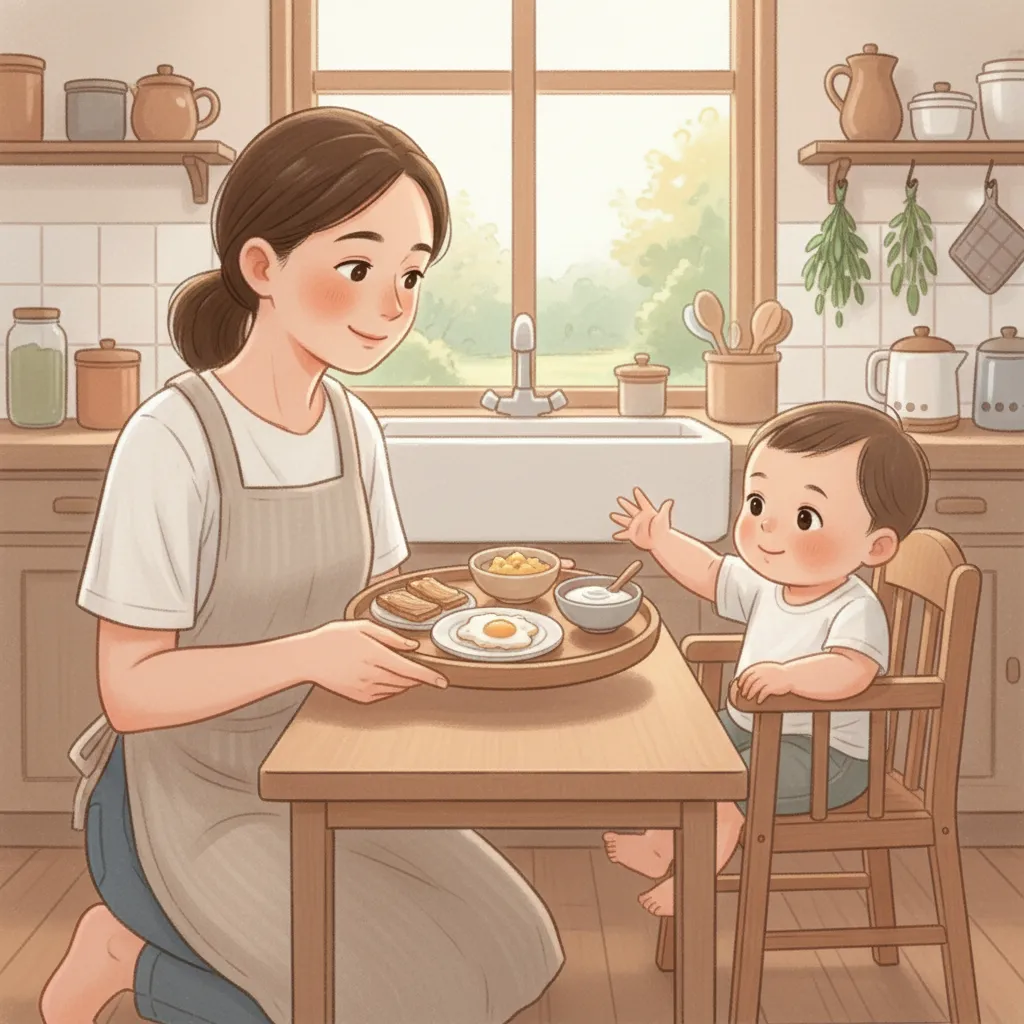
You do not need a special menu. Safe first foods are usually soft, iron-rich, and easy to mash with the gums. Variety helps your baby learn to eat, and repeated exposure is normal.
Offer water in small amounts with meals once solids begin, unless your clinician has told you otherwise. Breast milk or formula should still provide most of your baby’s fluid before 12 months.
When to call your pediatrician
Call your pediatrician if your baby has signs of botulism, food poisoning, or a choking event, or if you are unsure whether a food is safe. Seek urgent help right away if your baby has trouble breathing, turns blue, cannot cough or cry, or seems limp after eating.