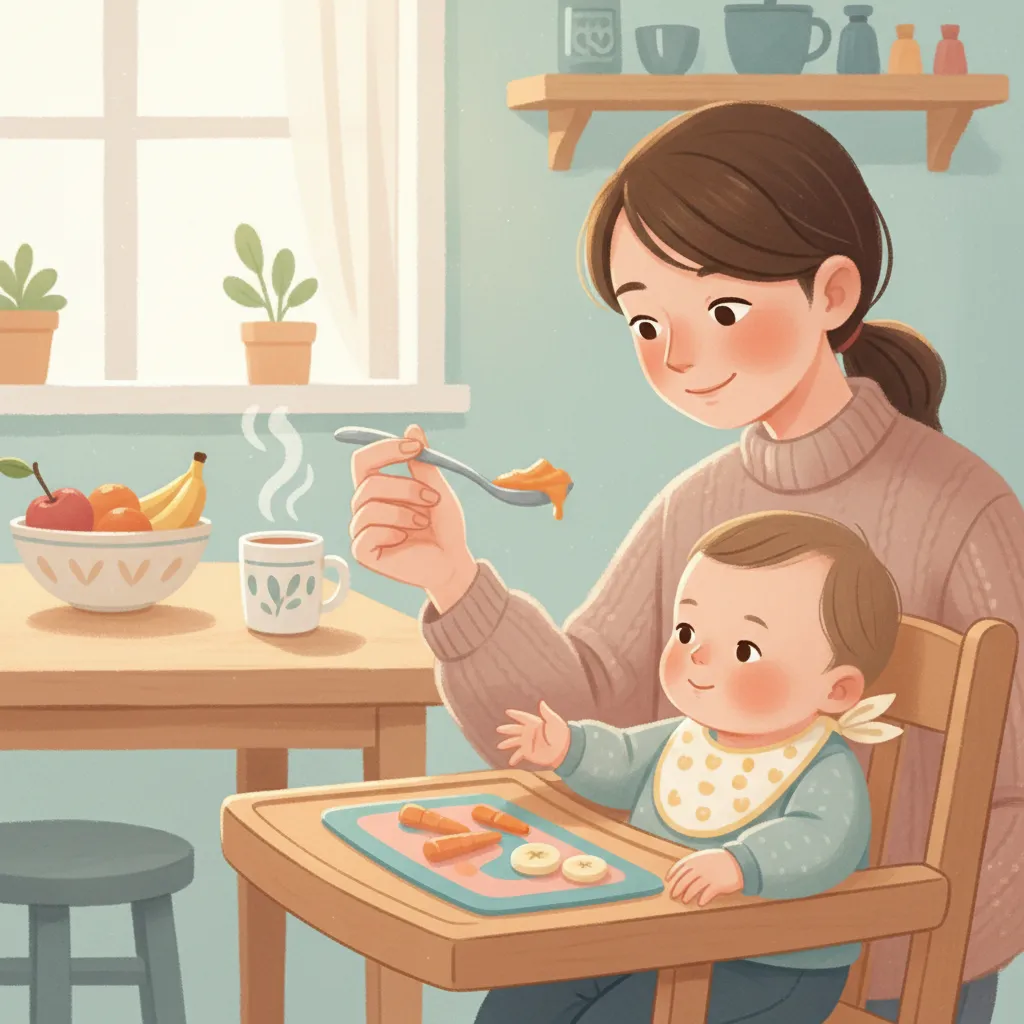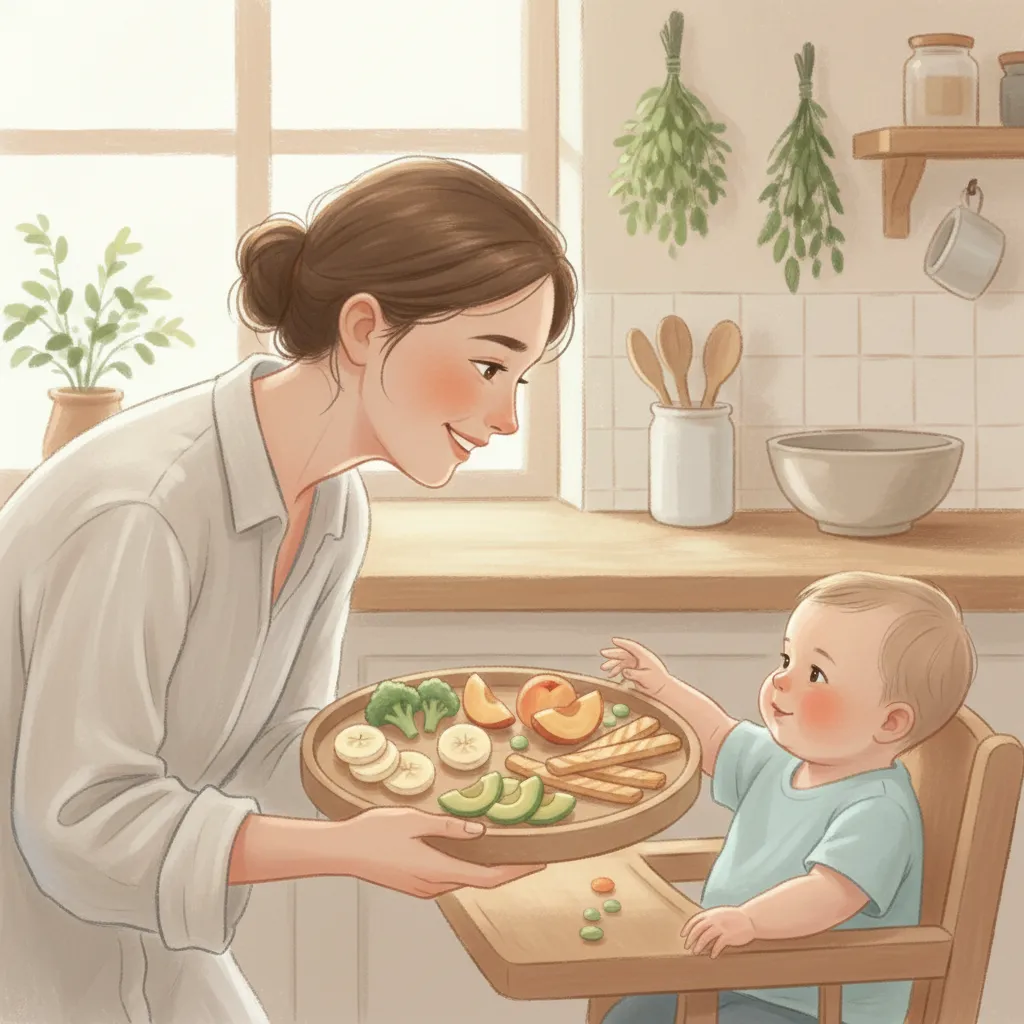
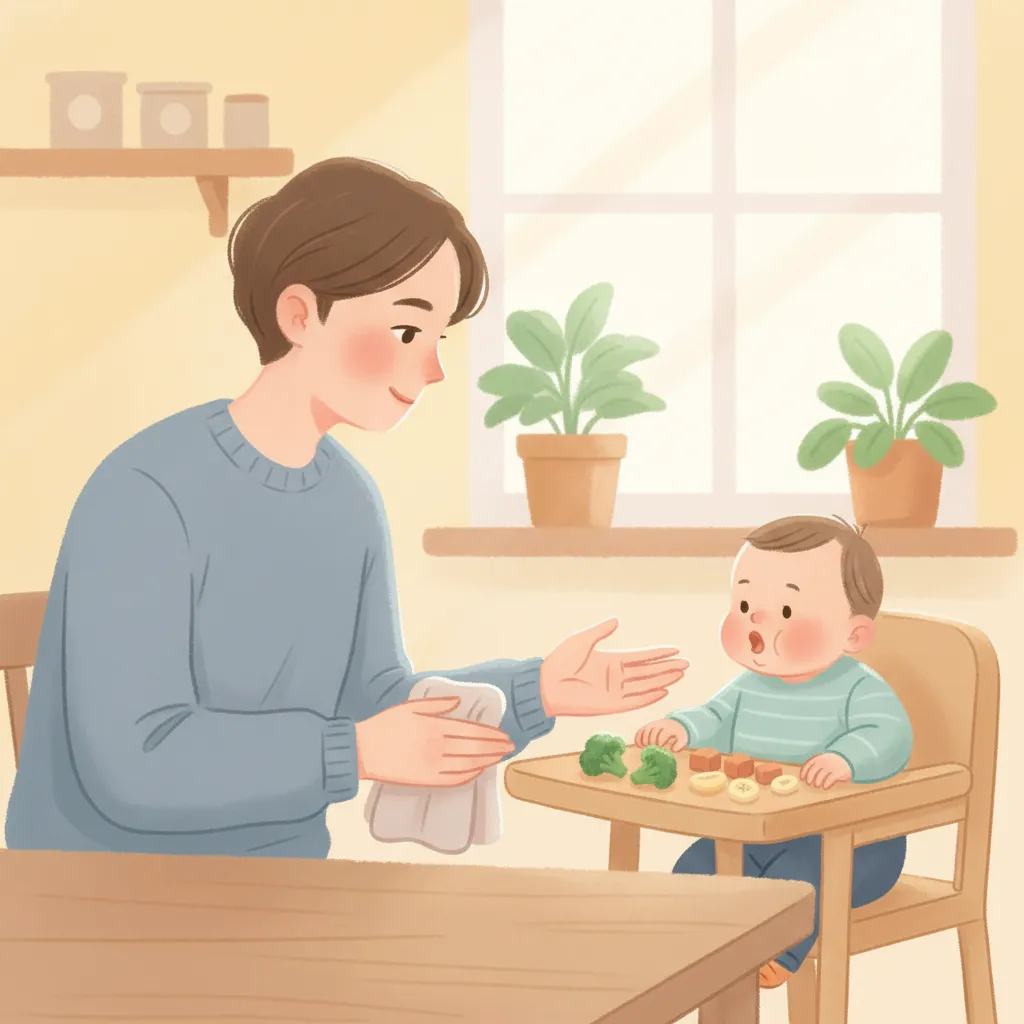
Starting solids is exciting, but it can also feel nerve-wracking. Many parents worry that every cough, face pull, or noisy mouth movement means something is wrong. In reality, gagging is common when babies learn to eat. It is part of the protective reflex that helps keep food from going too far back in the mouth. Choking is different. It is less noisy, more sudden, and more dangerous. Knowing the difference can help you stay calm, choose safer foods, and respond quickly if your baby really needs help.
This guide focuses on babies and toddlers from about 6 to 24 months, when new textures, finger foods, and self-feeding are developing quickly. The goal is not to remove all risk — that is impossible — but to lower risk while helping your baby learn to eat safely.
Gagging: common, noisy, and usually protective
Gagging happens when food moves too far back in the mouth and the body pushes it forward again. It is often loud, messy, and dramatic. Your baby may cough, sputter, stick out their tongue, or make retching sounds. They may look uncomfortable, but they are usually still breathing and able to recover on their own.
If your baby gags, stay nearby and let them work it out unless they are showing signs of true choking. Resist the urge to put your fingers into their mouth unless you can clearly see and easily remove the food.
Choking: silent or struggling, and needs immediate action
Choking happens when food or another object blocks the airway. A choking baby may be unable to cry, cough, or breathe effectively. Instead of noisy gagging, choking is often quiet or comes with weak coughing, trouble breathing, or a panicked look. This is an emergency.
Do not try to sweep food out of your baby’s mouth with your finger unless the object is clearly visible and easy to grasp. Blind finger sweeps can push the item deeper into the airway.
Why gagging happens so often during the learning phase
Babies are born with a strong gag reflex that sits farther forward in the mouth than in older children and adults. As they grow and practice eating, that reflex usually shifts back and becomes less sensitive. This is one reason gagging is more common when babies first start solids and when they are learning to chew and move food around.
Gagging can also happen when a baby takes bites that are too large, eats too fast, or explores a new texture. That does not mean you must avoid all textured foods. It means you should offer foods that are developmentally appropriate and supervise closely.
Foods that can raise choking risk
Some foods are harder for babies and toddlers to manage because they are small, round, hard, sticky, slippery, or shaped in a way that can block the airway. Many choking incidents are linked to foods that are common in everyday snacks and meals.
A food is often safer when it is soft enough to squish between your fingers, served in an age-appropriate shape, and cut into pieces your baby can handle.
How to make common foods safer
You do not need a separate “baby menu,” but you do need to change the shape, texture, and size of foods so they are easier to manage. The safest version of a food for your baby is often different from the version adults eat.
Supervision matters too. Children can choke even on foods that are usually safe if they are eating while walking, playing, laughing, or lying down. A calm, seated meal is safer than snacking on the go.
Feeding habits that lower choking risk
Safer food choices work best when they are paired with safer feeding habits. Babies learn by watching you, but they still need support and structure.
If your baby is tired, overly hungry, or excited, they may stuff food faster and handle textures less well. Offering smaller portions and slower pacing can help.
What to do if your baby is choking
If your baby cannot breathe, cry, or cough effectively, treat it as an emergency. The exact steps depend on your child’s age, but the key point is to act right away and call emergency services. If you have taken an infant CPR or choking-response course, follow that training.
If your baby looks frightened but is still coughing, crying, or breathing, they may be gagging rather than choking. Keep watching closely, but reserve emergency action for signs of blocked breathing or ineffective coughing.
When gagging is not a reason to stop offering solids
Some parents become so worried about gagging that they start avoiding textured foods or delay finger foods for too long. That can make eating more difficult later, because your baby needs practice with textures, chewing, and self-feeding. Occasional gagging is expected during learning, especially early on.
What matters is the overall pattern. If your baby is growing, can sit well with support, is learning to handle a variety of textures, and has no signs of swallowing difficulty, gagging alone is usually part of normal development. Keep foods appropriate, supervise closely, and adjust the texture or size when needed.
When to call your pediatrician
Call your pediatrician if your baby has frequent gagging that seems extreme, has trouble moving food around the mouth, coughs often during meals, vomits repeatedly with feeding, or seems to have pain, refusal, or distress with eating. You should also ask for help if your child has had a choking episode, even if they recovered, or if you are unsure whether a food texture is appropriate for your baby’s age and skills.