
About Yogurt
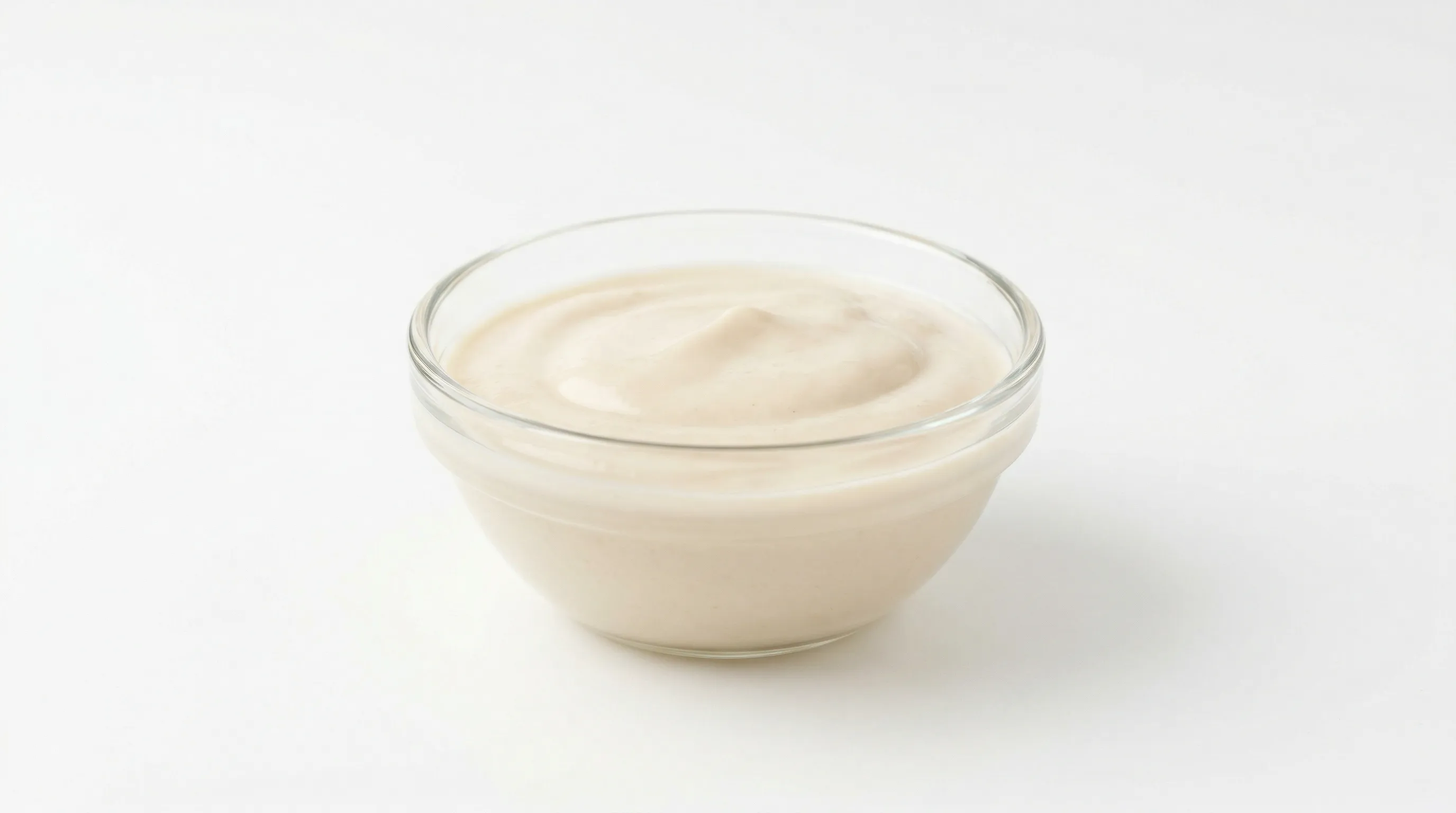
Yogurt is a smooth, creamy dairy food that can be a nutritious early food for babies when it is plain, unsweetened, full-fat, and pasteurized. Its soft texture makes it easy to serve from 6 months, whether on a spoon, spread thinly on toast, or offered as a dip with soft fruits and vegetables. It provides protein for growth, calcium for bones and teeth, and potassium for muscle and nerve function. Yogurt can also contain live cultures that support a healthy gut microbiome. While yogurt is not a strong source of iron, it pairs well with iron-rich foods like oats, beans, lentils, eggs, or meat. Yogurt is a common milk allergen because it contains cow's milk protein. Some babies who react to cow's milk may also react to yogurt, even though the fermentation process can make it easier for some children to digest. Choose pasteurized yogurt only, avoid added sugar, and never add honey for babies under 12 months. Most babies can start yogurt from 6 months old. Begin with a small amount and watch for any signs of allergy. Younger babies do well with pre-loaded spoons or yogurt mixed into oatmeal, while older babies and toddlers can practice spoon feeding, use yogurt as a dip, or enjoy it with fruit and other family foods.
How to serve by age
Offer plain, unsweetened, pasteurized full-fat yogurt in a small amount. A pre-loaded spoon works well, or you can mix yogurt into iron-fortified oatmeal or spread a thin layer onto soft food for self-feeding.
As your baby develops more hand control, offer yogurt on several pre-loaded spoons or use it as a dip for soft fruit, cooked vegetables, or toast fingers. Avoid chunky mix-ins and sweetened yogurt products.
Toddlers can practice more independent spoon use with plain yogurt. You can stir in mashed berries, soft banana, or very finely chopped ripe fruit, as long as the texture remains easy to manage.
Offer plain yogurt in a bowl or cup as part of a balanced meal or snack. Pair with fruit, oats, or nut butters thinned appropriately if already introduced, and continue to limit added sugars.
Pairs well with
Safety & allergens
Plain yogurt itself is low choking risk because it is smooth and soft. The main safety concerns come from what is mixed into it. Avoid large fruit chunks, whole nuts, big globs of nut butter, granola, or other hard toppings. Serve on a spoon, as a thin spread, or as a dip with soft, age-appropriate foods.
What to watch for
Safety checklist
Storage & shelf life
Store yogurt in the refrigerator and keep it tightly covered after opening. Use within 3-5 days of opening or by the package date, whichever comes first.
Freezing is not ideal because yogurt can separate and become grainy when thawed, but it can be frozen for up to 1-2 months for cooking or blending. Thaw in the refrigerator and stir well before serving.
Nutrition
- Provides calcium for strong bones and teeth
- Contains protein to support growth
- Offers potassium for muscle and nerve function
- Can provide live cultures that support gut health
- Soft texture makes it easy to serve from the start of solids
- Common milk allergen
- Not a good source of iron
- Flavored yogurts can be high in added sugar
- Can displace iron-rich foods if offered too often
Key nutrients
Nutrition facts
| Calories | 94kcal |
|---|---|
| Protein | 3.5g |
| Carbs | 16.0g |
| Fat | 1.8g |
| Fiber | 0.2g |
| Sugar | 1.2g |
| Iron | 1.1mg |
| Calcium | 118.0mg |
| Potassium | 47mg |
| Vitamin C | 3mg |
| Vitamin A | 2.0µg |
| Folate | 6µg |
| Zinc | 0.31mg |
per 100 g
In season
Common questions
When can babies eat Yogurt?
Is Yogurt a choking hazard?
Is Yogurt a common allergen?
More first foods

Track Yogurt and everything your baby eats
Log meals and reactions, get allergen alerts, and see your baby's food journey at a glance in the Alimoo app.


Backed by