
About Trout
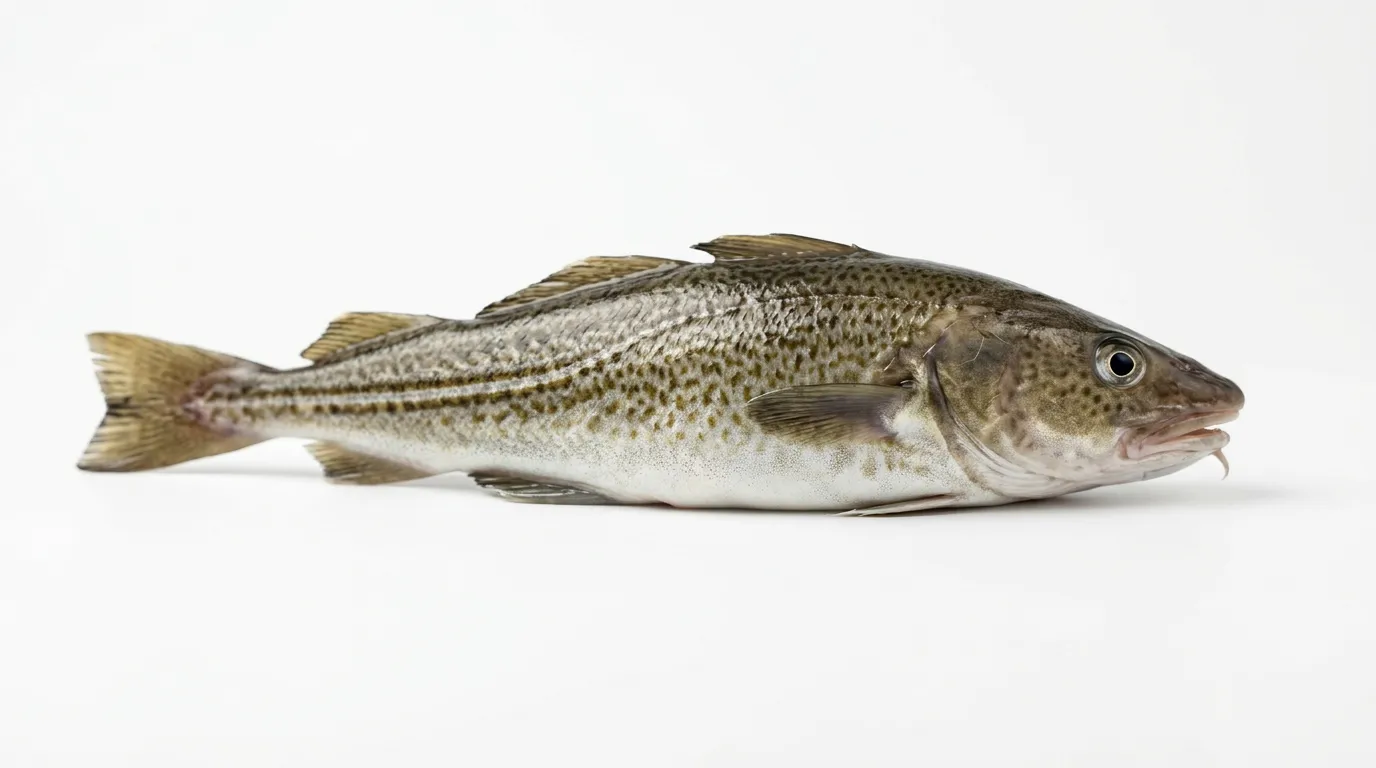
Trout is a mild, flaky finned fish that can be a nutritious food for babies once it is fully cooked and carefully deboned. Its soft texture makes it easy to mash, flake, or serve in tender pieces, and many babies accept its gentle flavor well. It provides high-quality protein to support growth, along with healthy fats including omega-3s that help support brain and eye development. Trout also contains vitamin B12, vitamin D, selenium, potassium, and some iron, making it a valuable addition to a varied diet. Trout is a common allergen because it is a finned fish. Introduce it in a small amount the first time and watch closely for signs of an allergic reaction. The main safety concern is bones, so check the fish carefully before serving and avoid raw, undercooked, or high-sodium preparations. Most babies can start trout from 6 months old, served fully cooked and flaked into soft, manageable pieces. As your child grows, you can offer larger flakes, small bite-sized pieces, fish cakes, or mixed dishes. Smoked trout is not ideal for babies because it is often high in sodium and may not be fully cooked.
How to serve by age
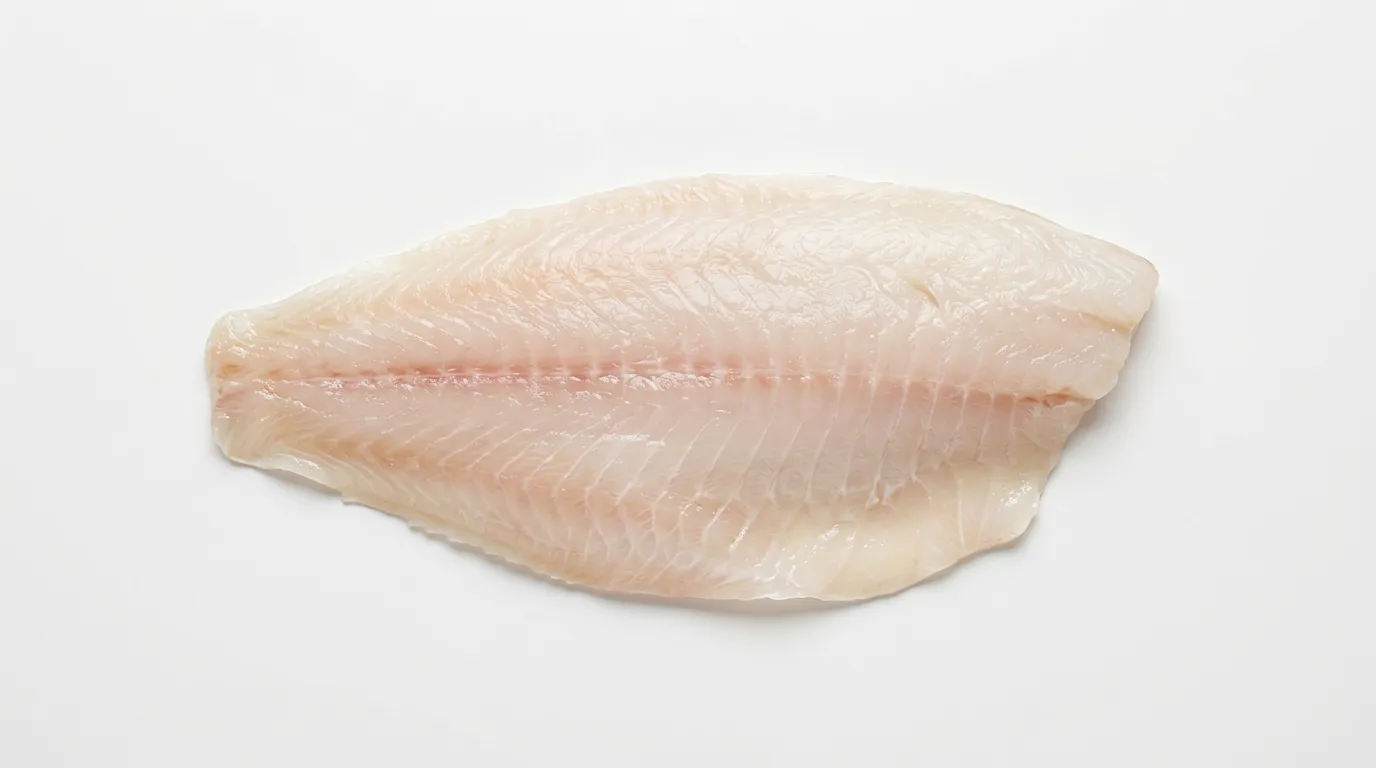
Offer fully cooked trout with all bones and skin removed. Flake it well and serve moist on its own or mixed into mashed vegetables, yogurt, or another familiar food so it is easier for baby to pick up or scoop.
Serve fully cooked trout in small soft pieces once your baby is developing a pincer grasp. Continue checking carefully for bones and avoid dry or tough pieces.
Offer trout as part of family meals in bite-sized pieces, soft fish cakes, or mixed into rice, pasta, or vegetables. Keep portions moist and easy to chew.
Toddlers can have larger flaky portions of fully cooked trout with supervision. Continue to avoid bones and be cautious with smoked or salty preparations.
Pairs well with
Safety & allergens
Trout itself is soft and flaky, but bones are a serious hazard. Serve only fully cooked trout with skin and all bones removed. For younger babies, offer moist flakes or mash into another food. For older babies and toddlers, offer small soft pieces or fish cakes that break apart easily.
What to watch for
Safety checklist
Storage & shelf life
Refrigerate cooked trout in an airtight container and use within 1-2 days.
Freeze cooked trout in an airtight container for up to 3 months. Thaw in the refrigerator before serving.
Nutrition
- Provides high-quality protein for growth
- Contains omega-3 fats that support brain and eye development
- Offers vitamin B12 for nervous system health
- Provides vitamin D for bone development
- Contains potassium and selenium
- Is a common allergen
- Contains no fiber
- Can be high in sodium if smoked or heavily seasoned
- Bones must be removed very carefully
Key nutrients
Nutrition facts
| Calories | 148kcal |
|---|---|
| Protein | 20.8g |
| Fat | 6.6g |
| Iron | 1.5mg |
| Calcium | 43.0mg |
| Potassium | 361mg |
| Vitamin C | 1mg |
| Vitamin A | 17.0µg |
| Folate | 13µg |
| Zinc | 0.66mg |
per 100 g
In season
Common questions
When can babies eat Trout?
Is Trout a choking hazard?
Is Trout a common allergen?
More first foods

Track Trout and everything your baby eats
Log meals and reactions, get allergen alerts, and see your baby's food journey at a glance in the Alimoo app.


Backed by