
About Tepary Bean
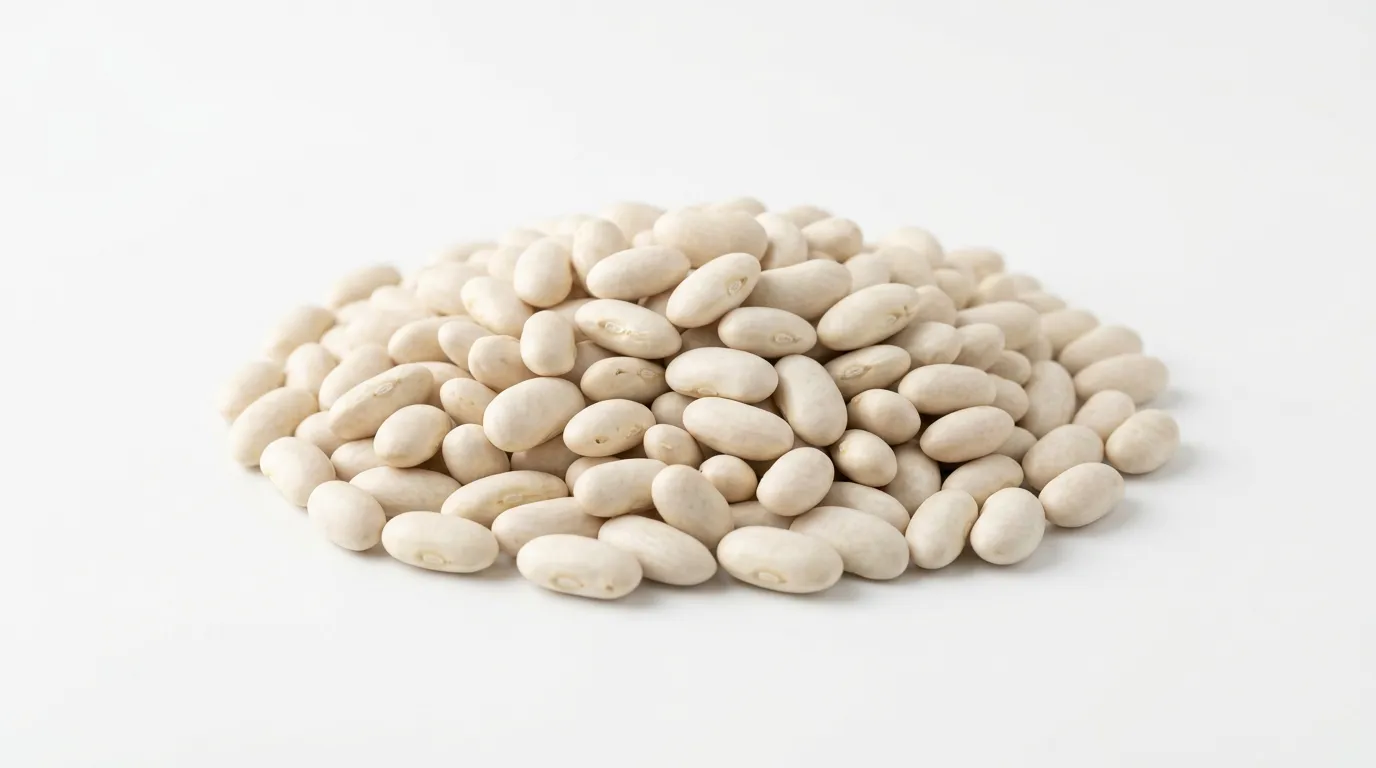
Tepary bean is a small, drought-tolerant bean traditionally grown in the American Southwest and parts of Mexico. When fully cooked until very soft, it can be a nutritious food for babies and toddlers. Its mild, earthy flavor works well in mashes, spreads, soups, and mixed meals. Tepary beans provide plant protein, fiber, iron, and folate — nutrients that support growth, digestion, and healthy blood cells. They also contain potassium and some calcium. Because beans are filling and nutrient-dense, they can be a helpful part of balanced vegetarian or mixed diets, especially when paired with foods rich in vitamin C to help the body absorb iron. Tepary beans are not a common allergen, but they are legumes, so use extra caution if your child already has a known allergy to other beans, lentils, peanuts, or soy. The bigger safety issue is texture: undercooked beans and whole small beans can be a choking risk for babies. Always cook until very soft and serve in an age-appropriate form. Most babies can start tepary beans from 6 months old as a smooth mash or thick puree. As oral skills improve, you can offer a thicker mash, then gently flattened beans, and later very soft whole beans mixed into meals. Continue to supervise closely and avoid serving firm or dry beans.
How to serve by age
Cook tepary beans until very soft, then blend or mash with water, breast milk, formula, or unsalted broth to make a smooth or thick spoonable texture. This can be offered on a spoon or preloaded for self-feeding.
Serve a thicker mash or gently flatten each fully cooked bean to reduce choking risk. Mix with soft foods like sweet potato, avocado, or rice to make scooping easier.
Offer very soft whole tepary beans in soups, stews, grain bowls, or mixed dishes if your toddler is chewing well. Continue to avoid firm beans and supervise closely.
Toddlers can eat soft whole tepary beans in family meals such as chili, salads, or burrito fillings. Check that the beans remain tender and encourage small bites with seated, supervised eating.
Pairs well with
Safety & allergens
Tepary beans are small, round, and can stay firm if not cooked enough, which makes them a higher choking risk. For younger babies, serve as a smooth puree or well-mashed paste. For older babies, flatten each fully cooked bean before serving. Only offer soft whole beans when your child is developmentally ready and able to chew well.
What to watch for
Safety checklist
Storage & shelf life
Store cooked tepary beans in an airtight container in the refrigerator for 3-5 days.
Freeze cooked tepary beans or bean mash in an airtight container for up to 3 months. Thaw in the refrigerator before serving.
Nutrition
- Provides plant protein for growth
- Rich in fiber to support digestion
- Contains iron for healthy blood cells
- Provides folate for cell growth and development
- Offers potassium for muscle and nerve function
- Needs thorough cooking before serving
- Plant iron is absorbed better when paired with vitamin C-rich foods
- Can cause gas or bloating in some children
- Whole beans can be a choking risk if served too early or too firm
Key nutrients
Nutrition facts
| Calories | 47kcal |
|---|---|
| Protein | 1.8g |
| Carbs | 2.8g |
| Fat | 3.2g |
| Fiber | 0.1g |
| Iron | 2.0mg |
| Calcium | 13.0mg |
| Potassium | 408mg |
| Folate | 33µg |
| Zinc | 0.49mg |
per 100 g
In season
Common questions
When can babies eat Tepary Bean?
Is Tepary Bean a choking hazard?
Is Tepary Bean a common allergen?
More first foods

Track Tepary Bean and everything your baby eats
Log meals and reactions, get allergen alerts, and see your baby's food journey at a glance in the Alimoo app.


Backed by