
À propos de Haricot cannellini
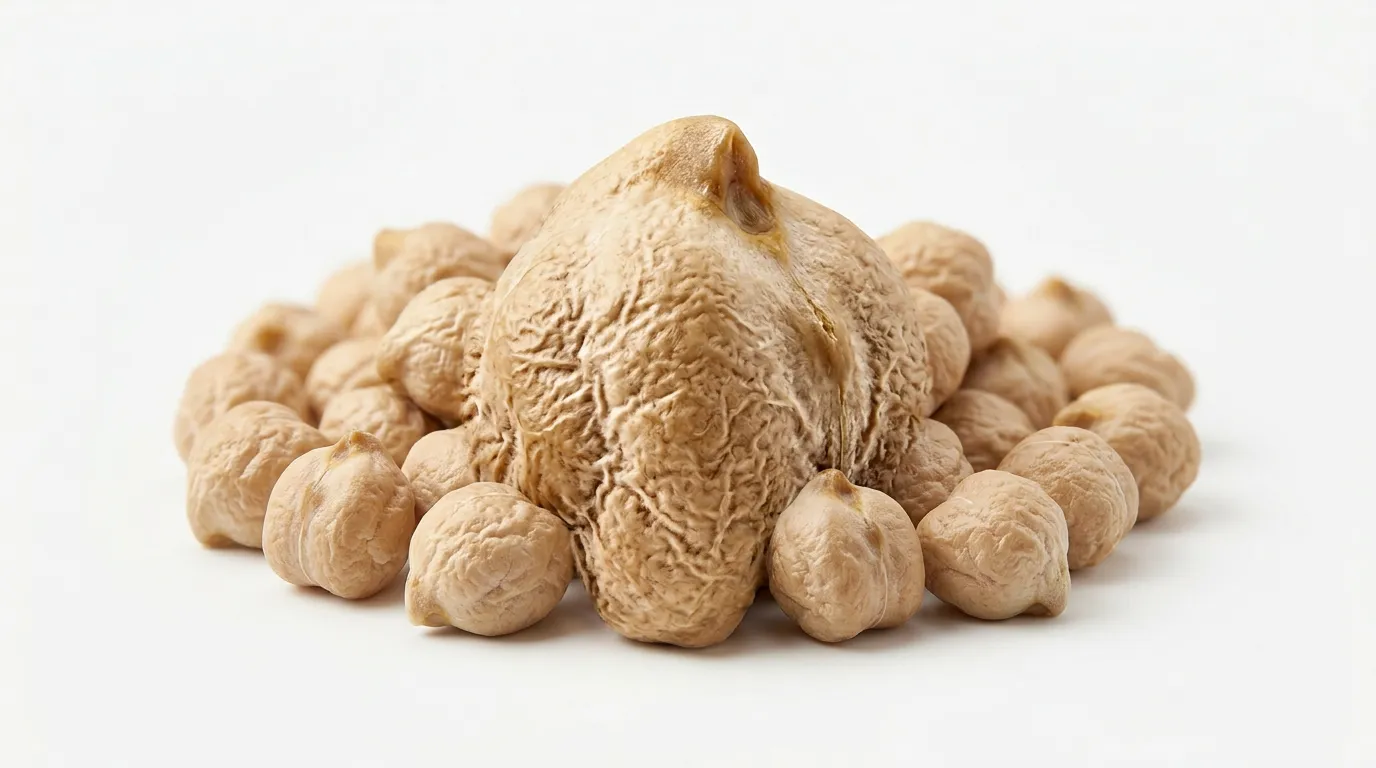
Les haricots cannellini sont des haricots blancs doux et crémeux qui deviennent tendres à la cuisson, ce qui en fait une option nutritive pour les bébés et les jeunes enfants. Leur saveur délicate se mélange facilement aux purées épaisses, tartinades, soupes et repas familiaux, ce qui permet de les introduire tôt sous une texture adaptée au bébé. Ils apportent des protéines végétales, des fibres, du fer, des folates et du potassium. Ces nutriments contribuent à la croissance, à la digestion, à la formation des globules rouges et au développement global. Les haricots cannellini contiennent aussi un peu de calcium et de zinc, ce qui en fait un aliment intéressant dans le cadre d’une alimentation variée, surtout lorsqu’ils sont associés à des aliments riches en vitamine C pour aider l’organisme à mieux absorber le fer. Les haricots cannellini ne font pas partie des allergènes les plus courants, mais des allergies aux haricots et aux légumineuses peuvent survenir. Les enfants ayant déjà présenté une réaction à d’autres légumineuses comme les lentilles, les petits pois, les pois chiches, le soja ou les arachides peuvent nécessiter davantage de prudence lors de la première introduction. Ils peuvent aussi présenter un risque d’étouffement s’ils sont servis entiers et fermes ; ils doivent donc toujours être cuits jusqu’à être très tendres et préparés d’une manière adaptée à l’âge. La plupart des bébés peuvent commencer les haricots cannellini dès l’âge de 6 mois. Commencez par des haricots bien cuits écrasés en texture souple ou mixés dans des purées et tartinades. À mesure que les capacités de mastication s’améliorent, proposez des haricots entiers aplatis, puis des haricots entiers bien tendres en petites portions, sous surveillance étroite.
Comment servir selon l'âge
Proposez des haricots cannellini très bien cuits, écrasés à la fourchette ou mixés en purée épaisse, tartinade ou écrasé souple.
Servez des haricots très tendres aplatis entre vos doigts ou avec une fourchette afin qu’ils ne soient plus ronds. Cette forme est plus sûre pour les bébés qui développent la prise en pince.
Proposez de petites portions de haricots cannellini entiers très tendres, ou incorporez-les au riz, aux pâtes, aux soupes ou aux plats de légumes. Continuez à surveiller attentivement et évitez les peaux fermes ou les haricots insuffisamment cuits.
Les tout-petits peuvent savourer des haricots cannellini entiers et tendres dans des salades, ragoûts, galettes et bols de céréales. Gardez des portions adaptées et encouragez la mastication lorsqu’ils sont assis et surveillés.
Se marie bien avec
Sécurité et allergènes
Les haricots cannellini peuvent présenter un risque d’étouffement s’ils sont entiers, fermes ou insuffisamment cuits. Pour les plus jeunes bébés, écrasez-les ou mixez-les soigneusement. Pour les bébés plus âgés, aplatissez chaque haricot tendre entre vos doigts ou avec une fourchette avant de le servir. Ne proposez des haricots entiers que lorsqu’ils sont très tendres et que votre enfant est prêt sur le plan du développement.
À surveiller
Liste de sécurité
Conservation et durée
Conservez les haricots cannellini cuits dans un récipient hermétique au réfrigérateur pendant 3 à 5 jours maximum.
Congelez les haricots cuits ou l’écrasé de haricots dans un récipient hermétique pendant jusqu’à 3 mois. Décongelez au réfrigérateur avant de servir.
Nutrition
- Apporte des protéines végétales pour la croissance
- Riche en fibres pour favoriser la digestion
- Contient du fer pour le développement sain du sang
- Apporte des folates pour la croissance cellulaire
- Fournit du potassium pour la fonction musculaire et nerveuse
- Peut présenter un risque d’étouffement s’il est servi entier et ferme
- Le fer d’origine végétale est moins bien absorbé que le fer des aliments d’origine animale
- Peut provoquer des gaz chez certains bébés et jeunes enfants
- Les versions en conserve peuvent être riches en sodium si elles ne sont pas rincées
Nutriments clés
Valeurs nutritionnelles
| Calories | 47kcal |
|---|---|
| Protéines | 1.8g |
| Glucides | 2.8g |
| Lipides | 3.2g |
| Fibres | 0.1g |
| Fer | 2.0mg |
| Calcium | 13.0mg |
| Potassium | 408mg |
| Folate | 33µg |
| Zinc | 0.49mg |
per 100 g
De saison
Questions fréquentes
Quand les bébés peuvent-ils manger Haricot cannellini ?
Haricot cannellini présente-t-il un risque d'étouffement ?
Haricot cannellini est-il un allergène courant ?
Plus de premiers aliments

Suivez Haricot cannellini — et tout ce que mange votre bébé
Enregistrez les repas et les réactions, recevez des alertes allergènes et suivez le parcours alimentaire de votre bébé d'un coup d'œil dans l'application Alimoo.


Sources