
À propos de Lait de soja
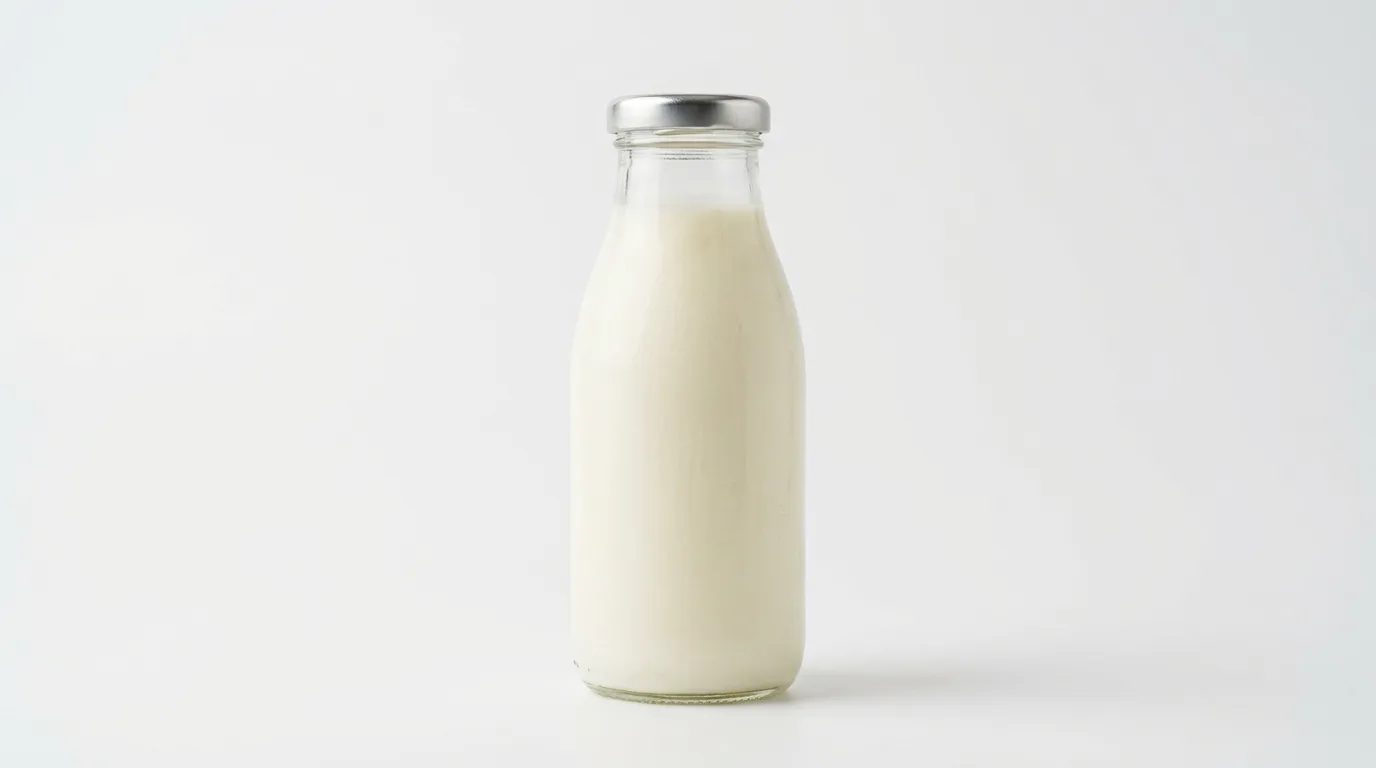
Le lait de soja est une boisson d’origine végétale fabriquée à partir de graines de soja. Pour les bébés et les tout-petits, il peut être un aliment utile dans les repas familiaux, en particulier si les parents choisissent une version nature, non sucrée et enrichie. Il apporte de la variété et s’intègre bien dans les porridges, smoothies, soupes et autres recettes. Le lait de soja fournit des protéines végétales et, lorsqu’il est enrichi, il peut aussi apporter du calcium, de la vitamine D et parfois de la vitamine B12. Il n’est pas naturellement aussi riche sur le plan nutritionnel que le lait maternel ou les préparations pour nourrissons pour les bébés de moins de 12 mois ; il ne doit donc pas les remplacer comme boisson principale pendant la première année. Après 12 mois, le lait de soja enrichi est l’une des meilleures alternatives végétales au lait pour les tout-petits, car sa teneur en protéines se rapproche davantage de celle du lait de vache que beaucoup d’autres boissons sans produits laitiers. Le soja est un allergène courant, il convient donc de l’introduire avec précaution. Proposez-en une petite quantité la première fois et surveillez les signes d’allergie tels que l’urticaire, les vomissements, le gonflement ou des changements respiratoires. Vérifiez aussi attentivement les étiquettes, car les laits de soja aromatisés ou sucrés peuvent contenir des sucres ajoutés, et le lait de soja maison ne constitue pas un bon substitut aux produits du commerce enrichis. La plupart des bébés peuvent consommer du lait de soja dès 6 mois en petite quantité mélangée aux aliments, mais pas comme boisson principale. Vers 12 mois, un lait de soja enrichi, nature et non sucré peut être proposé dans une tasse si une alternative au lait est nécessaire. Continuez à privilégier les aliments riches en fer et veillez à proposer des portions adaptées à l’âge afin que le lait de soja ne diminue pas l’appétit pour les repas.
Comment servir selon l'âge
Utilisez un lait de soja nature non sucré en petite quantité dans le porridge, les aliments écrasés ou la cuisine. Le lait maternel ou la préparation pour nourrissons doit rester la boisson principale de votre bébé pendant toute la première année.
Si le soja a déjà été introduit sans problème, vous pouvez proposer quelques petites gorgées dans une tasse ouverte ou une tasse à paille pour s’exercer à boire. N’utilisez pas le lait de soja pour remplacer le lait maternel ou la préparation pour nourrissons.
Après 12 mois, un lait de soja enrichi non sucré peut être proposé dans une tasse comme alternative au lait. Choisissez des versions enrichies en calcium et en vitamine D, et gardez une consommation modérée afin de ne pas réduire l’appétit pour les aliments solides.
Les tout-petits peuvent boire du lait de soja enrichi non sucré pendant les repas ou les collations. Continuez à privilégier les aliments riches en fer et évitez les versions sucrées ou aromatisées.
Se marie bien avec
Sécurité et allergènes
Le lait de soja lui-même présente un faible risque d’étouffement lorsqu’il est servi dans une tasse ouverte, une tasse à paille ou mélangé aux aliments. Pour les bébés de moins de 12 mois, utilisez-en de petites quantités dans les repas plutôt que comme boisson principale. Évitez de le proposer lorsque votre enfant est allongé, marche ou court.
À surveiller
Liste de sécurité
Conservation et durée
Conservez le lait de soja non ouvert, stable à température ambiante, dans un endroit frais et sec jusqu’à ouverture. Après ouverture, réfrigérez-le et utilisez-le dans les 3 à 5 jours ou selon les indications figurant sur l’emballage.
Le lait de soja peut être congelé jusqu’à 3 mois dans un contenant adapté au congélateur en laissant de la place pour l’expansion. Décongelez-le au réfrigérateur et secouez-le bien avant utilisation, car une séparation peut se produire.
Nutrition
- Apporte des protéines végétales
- Les versions enrichies peuvent fournir du calcium pour la santé osseuse
- Souvent enrichi en vitamine D et parfois en vitamine B12
- Une alternative utile aux produits laitiers après 12 mois
- Ne convient pas comme boisson principale pour les bébés de moins de 12 mois
- Le soja est un allergène courant
- De nombreuses versions aromatisées contiennent des sucres ajoutés
- Le lait de soja non enrichi ou maison peut être pauvre en nutriments essentiels
Nutriments clés
Valeurs nutritionnelles
| Calories | 46kcal |
|---|---|
| Protéines | 1.6g |
| Glucides | 5.3g |
| Lipides | 2.0g |
| Sucres | 5.3g |
| Fer | 0.1mg |
| Calcium | 82.0mg |
| Potassium | 150mg |
| Vitamine A | 61.0µg |
| Zinc | 0.10mg |
per 100 g
De saison
Questions fréquentes
Quand les bébés peuvent-ils manger Lait de soja ?
Lait de soja présente-t-il un risque d'étouffement ?
Lait de soja est-il un allergène courant ?
Plus de premiers aliments

Suivez Lait de soja — et tout ce que mange votre bébé
Enregistrez les repas et les réactions, recevez des alertes allergènes et suivez le parcours alimentaire de votre bébé d'un coup d'œil dans l'application Alimoo.


Sources