
About Sole
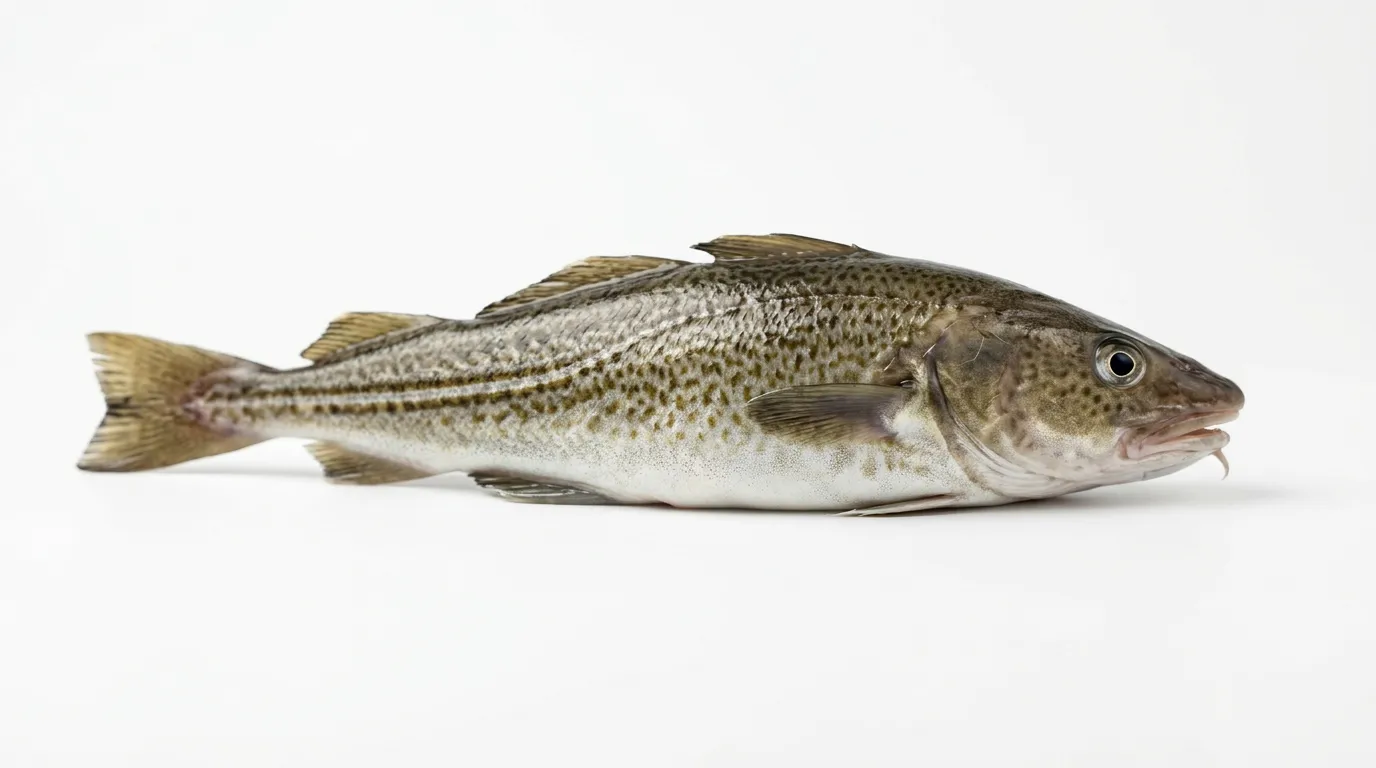
Sole is a mild, delicate white fish that can be a great early seafood option for babies. Its soft texture flakes easily when cooked, making it simple to serve in baby-friendly pieces. Because it has a gentle flavor, sole is often well accepted by babies who are still getting used to new tastes. It provides high-quality protein to support growth and tissue repair, along with nutrients like selenium, vitamin B12, phosphorus, and potassium. Sole is generally lower in fat than oily fish, so it is not a major source of omega-3 fats, but it can still be a nutritious part of a varied diet that includes other seafood, iron-rich foods, fruits, vegetables, and healthy fats. Fish is a common allergen, so introduce sole thoughtfully. Offer a small amount the first time and watch closely for signs of an allergic reaction. Also take extra care with preparation: fish bones are a choking and injury hazard, so sole must be cooked thoroughly and checked carefully for every bone before serving. Most babies can start sole from 6 months old, served as soft flakes or large finger-length strips that break apart easily. As your child develops chewing skills and a pincer grasp, you can move to smaller flakes and bite-sized pieces. Avoid fried fish, heavily salted preparations, and processed fish products for babies and toddlers.
How to serve by age
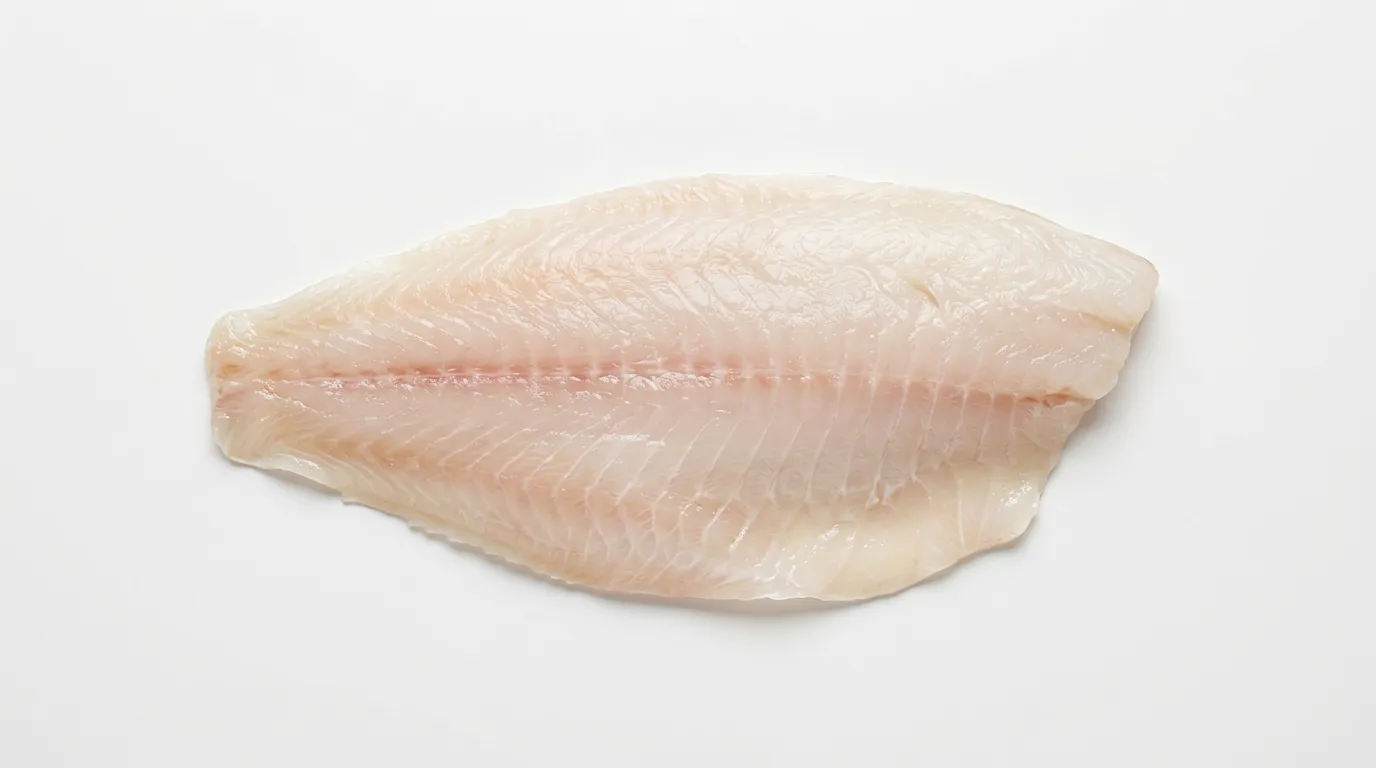
Serve well-cooked sole as large soft strips or gently flaked pieces that your baby can pick up. Check very carefully for bones before serving. You can also mix soft flakes into mashed vegetables or plain yogurt.
Once your baby is developing a pincer grasp, offer small soft flakes or shredded pieces of cooked sole. Continue checking carefully for bones and avoid dry or overcooked fish that may be harder to manage.
Offer bite-sized pieces of tender sole or flake it over toast, rice, or vegetables. Keep portions soft and easy to chew, and continue to avoid heavily seasoned or salty preparations.
Toddlers can eat sole as part of family meals in small pieces or flakes. Continue to supervise closely and check for bones every time, even with fillets labeled boneless.
Pairs well with
Safety & allergens
Sole is soft and flaky when cooked, but bones are the main safety concern. Cook until tender, remove skin if needed, and check carefully for every bone before serving. Offer as large soft strips for younger babies or small flakes and bite-sized pieces for older babies and toddlers.
What to watch for
Safety checklist
Storage & shelf life
Refrigerate cooked sole in an airtight container and use within 1-2 days.
Freeze cooked sole in an airtight container for up to 3 months. Thaw in the refrigerator before serving and reheat only once.
Nutrition
- Provides high-quality protein for growth
- Contains vitamin B12 to support the nervous system
- Offers selenium for cell protection
- Naturally low in carbohydrates and sugar
- Fish is a common allergen
- Not a significant source of fiber
- Lower in healthy fats than oily fish like salmon or sardines
Key nutrients
Nutrition facts
| Calories | 70kcal |
|---|---|
| Protein | 12.4g |
| Fat | 1.9g |
| Iron | 0.2mg |
| Calcium | 21.0mg |
| Potassium | 160mg |
| Vitamin A | 10.0µg |
| Folate | 5µg |
| Zinc | 0.32mg |
per 100 g
In season
Common questions
When can babies eat Sole?
Is Sole a choking hazard?
Is Sole a common allergen?
More first foods

Track Sole and everything your baby eats
Log meals and reactions, get allergen alerts, and see your baby's food journey at a glance in the Alimoo app.


Backed by