
À propos de Skyr
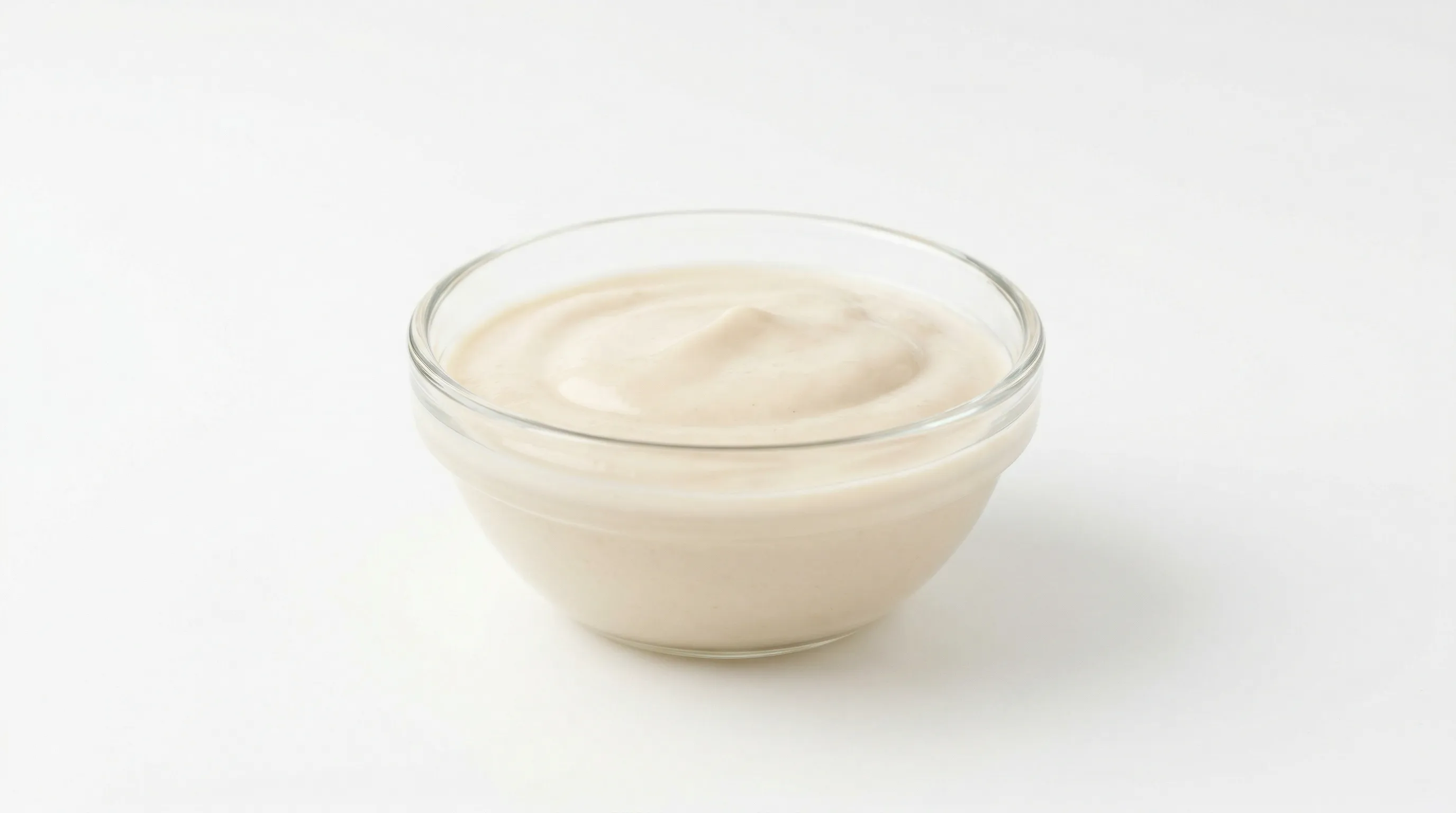
Le skyr est un produit laitier fermenté épais originaire d’Islande, semblable au yaourt mais généralement plus riche en protéines et égoutté pour obtenir une texture crémeuse que l’on peut manger à la cuillère. Pour les bébés et les tout-petits, le skyr nature au lait entier peut être facile à servir, car il est doux, frais et simple à associer à des fruits, des flocons d’avoine ou des purées d’oléagineux déjà introduits en toute sécurité. Le skyr apporte des protéines pour la croissance, du calcium pour les os et les dents, et du potassium pour l’équilibre hydrique et la fonction musculaire. Selon le produit, il peut aussi fournir de l’iode et de la vitamine B12, des nutriments importants pendant la petite enfance. Comme le skyr nature est naturellement pauvre en sucre par rapport à de nombreux produits laitiers aromatisés, il peut être une option utile pour les repas et collations en famille. Le lait de vache est un allergène courant ; le skyr doit donc être introduit avec prudence, surtout si votre enfant a de l’eczéma, une allergie connue au lait ou des antécédents de réaction aux produits laitiers. Choisissez un skyr nature sans sucre ajouté et ne servez jamais de variétés sucrées au miel aux bébés de moins de 12 mois. Si votre enfant a une allergie confirmée aux protéines de lait de vache, le skyr ne convient pas, sauf avis contraire de votre professionnel de santé. La plupart des bébés peuvent commencer le skyr nature au lait entier dès 6 mois en petite quantité, à la cuillère ou dans un bol pour l’auto-alimentation. À mesure que votre enfant grandit, vous pouvez proposer des cuillerées plus épaisses, le mélanger à un porridge ou à une purée de fruits, ou le servir dans le cadre d’une collation ou d’un repas. Continuez à surveiller attentivement et à proposer des portions adaptées à l’âge.
Comment servir selon l'âge
Proposez une petite quantité de skyr nature au lait entier sur une cuillère préchargée, ou laissez bébé le prendre dans un petit bol avec les mains ou une cuillère. Évitez les versions aromatisées avec sucre ajouté et ne proposez jamais de skyr contenant du miel.
Servez le skyr nature dans un bol et encouragez l’auto-alimentation à la cuillère. Vous pouvez aussi le mélanger à des fruits bien écrasés ou à du porridge pour varier, en veillant à ce que les ajouts soient lisses et adaptés à l’âge.
Proposez du skyr nature au petit-déjeuner ou en collation. Ajoutez des fruits tendres, des noix finement moulues ou une purée d’oléagineux allongée de façon sûre si elle a déjà été introduite, ou incorporez-le à des smoothies et des bouillies.
Les tout-petits peuvent manger le skyr seuls dans un bol avec une cuillère. Continuez à choisir des options nature ou pauvres en sucre et évitez les garnitures croquantes qui peuvent être difficiles à mâcher en toute sécurité.
Se marie bien avec
Sécurité et allergènes
Le skyr nature présente en lui-même un faible risque d’étouffement, car il est lisse et se mange à la cuillère. Les principales préoccupations de sécurité concernent les ingrédients ajoutés et les édulcorants. Servez-le nature ou avec des garnitures préparées en toute sécurité, évitez les gros morceaux de fruits ou le granola croquant, et ne laissez jamais bébé manger sans surveillance.
À surveiller
Liste de sécurité
Conservation et durée
Conservez le skyr au réfrigérateur et gardez-le bien fermé. Une fois ouvert, utilisez-le dans les 3 à 5 jours ou avant la date indiquée sur l’emballage, selon la première échéance.
Le skyr peut être congelé jusqu’à 3 mois, bien que sa texture puisse devenir granuleuse après décongélation. Décongelez-le au réfrigérateur et remuez bien avant de servir.
Nutrition
- Riche en protéines pour soutenir la croissance
- Apporte du calcium pour les os et les dents
- Contient du potassium pour la fonction musculaire et nerveuse
- Généralement moins sucré que de nombreux yaourts aromatisés lorsqu’il est servi nature
- Le lait de vache est un allergène courant
- Peut être pauvre en matières grasses si vous ne choisissez pas une version au lait entier
- N’est pas une source significative de fer
- Les variétés aromatisées peuvent contenir du sucre ajouté
Nutriments clés
Valeurs nutritionnelles
| Calories | 62kcal |
|---|---|
| Protéines | 11.0g |
| Glucides | 3.6g |
| Lipides | 0.2g |
| Sucres | 3.5g |
| Fer | 0.1mg |
| Calcium | 148.0mg |
| Potassium | 143mg |
| Vitamine A | 2.0µg |
| Folate | 15µg |
| Zinc | 0.40mg |
per 100 g
De saison
Questions fréquentes
Quand les bébés peuvent-ils manger Skyr ?
Skyr présente-t-il un risque d'étouffement ?
Skyr est-il un allergène courant ?
Plus de premiers aliments

Suivez Skyr — et tout ce que mange votre bébé
Enregistrez les repas et les réactions, recevez des alertes allergènes et suivez le parcours alimentaire de votre bébé d'un coup d'œil dans l'application Alimoo.


Sources