
About Quinoa
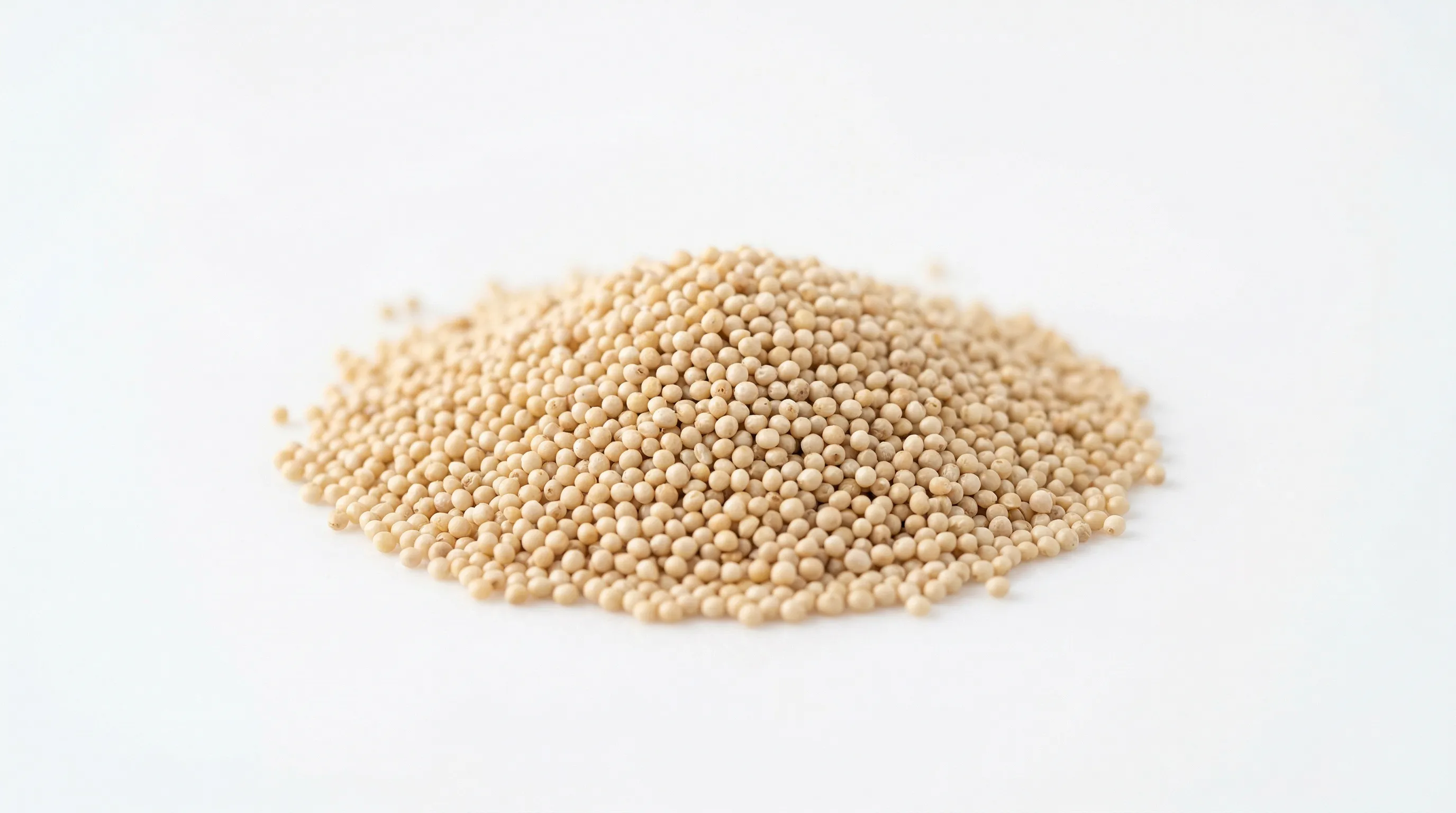
Quinoa is a tiny seed that is cooked and eaten like a grain. When prepared until very soft, it can be a nutritious option for babies because it mixes easily into porridges, mashed vegetables, yogurt, and other scoopable foods. It provides carbohydrates for energy along with fiber, plant protein, iron, folate, and small amounts of minerals like zinc and potassium. Quinoa is especially useful as part of a varied diet because it adds texture and nutrition to meals, though it is not as iron-rich as meats or as calorie-dense as foods with more fat. Quinoa is not a common allergen, but rare allergic reactions have been reported. Some babies may also be sensitive to the natural coating called saponin, which can taste bitter and may irritate the stomach if quinoa is not rinsed well before cooking. Always cook quinoa thoroughly and avoid serving it dry, crunchy, or in firm clumps. Most babies can start quinoa from 6 months old when it is cooked until soft and served as a moist porridge or mixed into other foods. As your child gets older, you can offer thicker spoonable quinoa, soft patties, and eventually loose cooked quinoa in mixed meals once they manage small grains well.
How to serve by age
Cook quinoa until very soft and moist, then serve it as a porridge or stir it into mashed vegetables, yogurt, or other scoopable foods. This helps babies manage the tiny grains more easily.
Once your baby is handling more texture, offer well-cooked quinoa mixed into thicker meals, casseroles, or soft patties that hold together without being dry or crumbly.
Serve soft cooked quinoa in mixed meals such as bowls, soups, or stir-ins. Keep it moist with sauce, broth, or mashed foods so it is easier to pick up and swallow.
Toddlers can eat quinoa as part of family meals, including pilafs, patties, and grain bowls. Continue to avoid dry, crunchy preparations and supervise closely during meals.
Pairs well with
Safety & allergens
Cook quinoa until very soft and moist. For younger babies, serve it as a porridge or mixed into scoopable foods so the grains are easier to manage. Avoid dry, loose, crunchy, or popped quinoa, and avoid firm clumps that could be swallowed in a lump.
What to watch for
Safety checklist
Storage & shelf life
Store cooked quinoa in an airtight container in the refrigerator for 3-5 days.
Freeze cooked quinoa in an airtight container or small portions for up to 3 months. Thaw in the refrigerator and reheat until steaming, then cool before serving.
Nutrition
- Provides plant protein for growth
- Contains fiber to support digestion
- Offers iron and folate for healthy development
- Adds texture and nutrients to mixed meals
- Not as iron-rich as meat or legumes fortified with iron
- Can be messy and harder for beginners if served too loose or dry
- Relatively low in fat, so pairing with healthy fats can make meals more filling
Key nutrients
Nutrition facts
| Calories | 120kcal |
|---|---|
| Protein | 4.4g |
| Carbs | 21.3g |
| Fat | 1.9g |
| Fiber | 2.8g |
| Sugar | 0.9g |
| Iron | 1.5mg |
| Calcium | 17.0mg |
| Potassium | 172mg |
| Folate | 42µg |
| Zinc | 1.09mg |
per 100 g
In season
Common questions
When can babies eat Quinoa?
Is Quinoa a choking hazard?
Is Quinoa a common allergen?
More first foods

Track Quinoa and everything your baby eats
Log meals and reactions, get allergen alerts, and see your baby's food journey at a glance in the Alimoo app.


Backed by