
About Quince
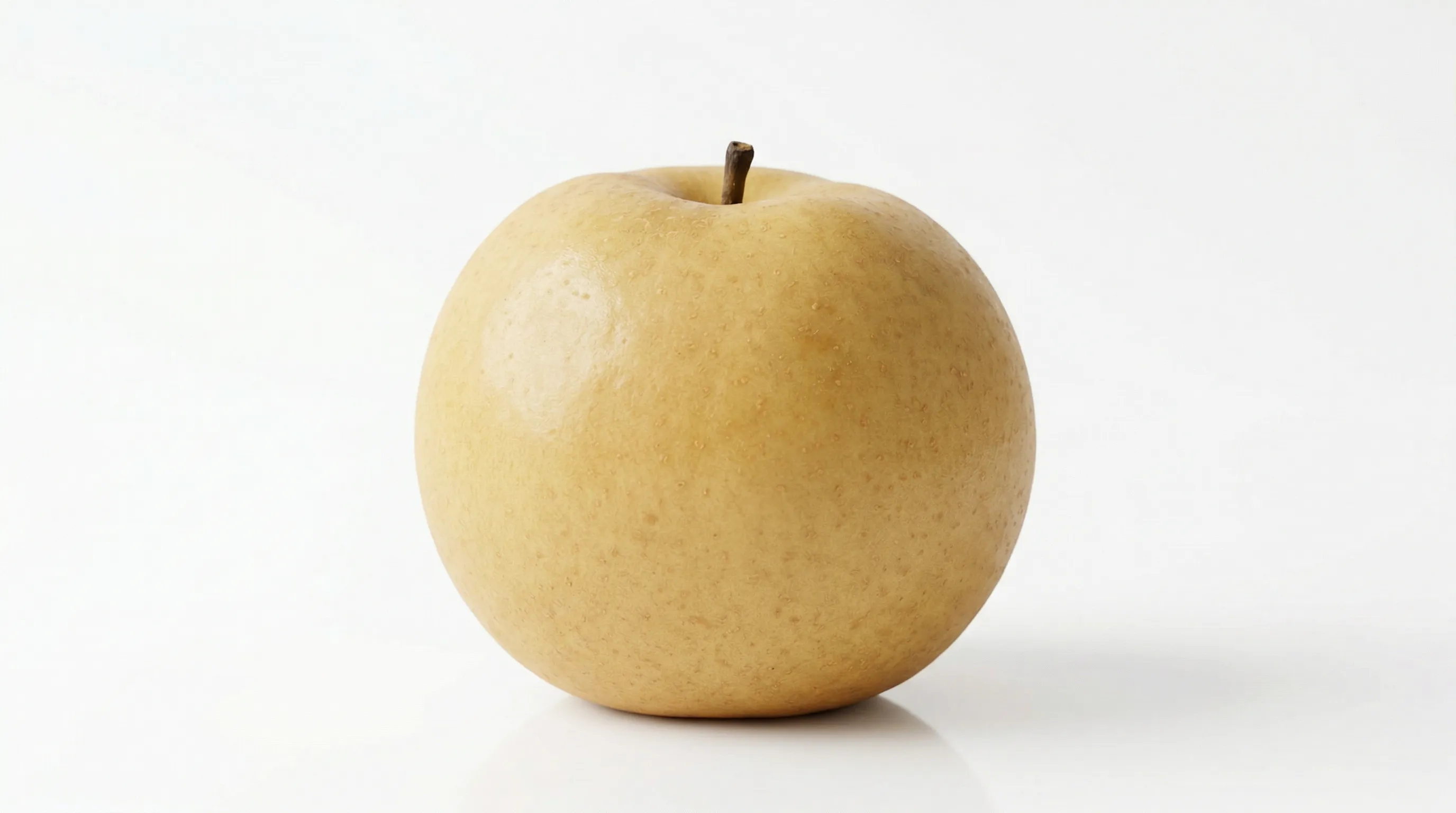
Quince is a fragrant pome fruit related to apples and pears. Unlike pears, it is usually too hard, tart, and astringent to serve raw, so it is best introduced to babies only after cooking until very soft. Once cooked, quince becomes tender and aromatic, making it a lovely option for mashes, compotes, and soft finger foods. Quince provides vitamin C, fiber, and potassium. These nutrients help support immune function, digestion, and healthy muscle and nerve function. It also contains plant compounds with antioxidant activity, though quince is not a major source of protein or fat, so it works best alongside iron-rich and energy-rich foods. Quince is not a common allergen, but reactions can happen. Because it is in the Rosaceae family, some children with pollen-food syndrome or sensitivities to related fruits may notice mouth itching or irritation, especially with raw fruit. For babies, always remove the seeds, which should not be eaten, and cook the flesh until soft enough to mash easily. Most babies can start quince from 6 months old if it is fully cooked and served mashed or in very soft large pieces for self-feeding. As chewing skills improve, you can offer soft slices or small pieces of cooked quince. Avoid raw quince for babies and young toddlers because its firm texture and tough skin increase choking risk.
How to serve by age
Offer well-cooked quince with all seeds removed and skin peeled if tough. Serve mashed on a spoon or as very soft large pieces that baby can hold and gum safely.
As your baby develops a pincer grasp, offer soft cooked slices or small soft pieces. Quince should still be fully cooked and tender enough to mash easily with gentle pressure.
Serve bite-sized pieces of soft cooked quince or offer mashed quince for scooping with a spoon or pre-loaded fork. Continue to avoid raw quince and any tough peel or firm chunks.
Pairs well with
Safety & allergens
Raw quince is very firm and not safe for babies. Remove all seeds, peel if the skin stays tough after cooking, and cook until the flesh is very soft and easily mashed between your fingers. Serve mashed, as soft large pieces for beginners, or as small soft pieces for older babies and toddlers.
What to watch for
Safety checklist
Storage & shelf life
Store whole quince in a cool, dry place or refrigerate to extend freshness. Once cooked, refrigerate in an airtight container and use within 3-5 days.
Freeze cooked quince mash, compote, or soft pieces in an airtight container for up to 3 months. Thaw in the refrigerator before serving.
Nutrition
- Provides vitamin C for immune support and iron absorption
- Contains fiber to support healthy digestion
- Offers potassium for muscle and nerve function
- Adds fruit variety and flavor to baby meals
- Usually not suitable raw because it is very hard
- Low in protein
- Low in fat
- Not a significant source of iron or zinc
Key nutrients
Nutrition facts
| Calories | 57kcal |
|---|---|
| Protein | 0.4g |
| Carbs | 15.3g |
| Fat | 0.1g |
| Fiber | 1.9g |
| Iron | 0.7mg |
| Calcium | 11.0mg |
| Potassium | 197mg |
| Vitamin C | 15mg |
| Vitamin A | 2.0µg |
| Folate | 3µg |
| Zinc | 0.04mg |
per 100 g
In season
Common questions
When can babies eat Quince?
Is Quince a choking hazard?
Is Quince a common allergen?
More first foods

Track Quince and everything your baby eats
Log meals and reactions, get allergen alerts, and see your baby's food journey at a glance in the Alimoo app.


Backed by