
À propos de Quark
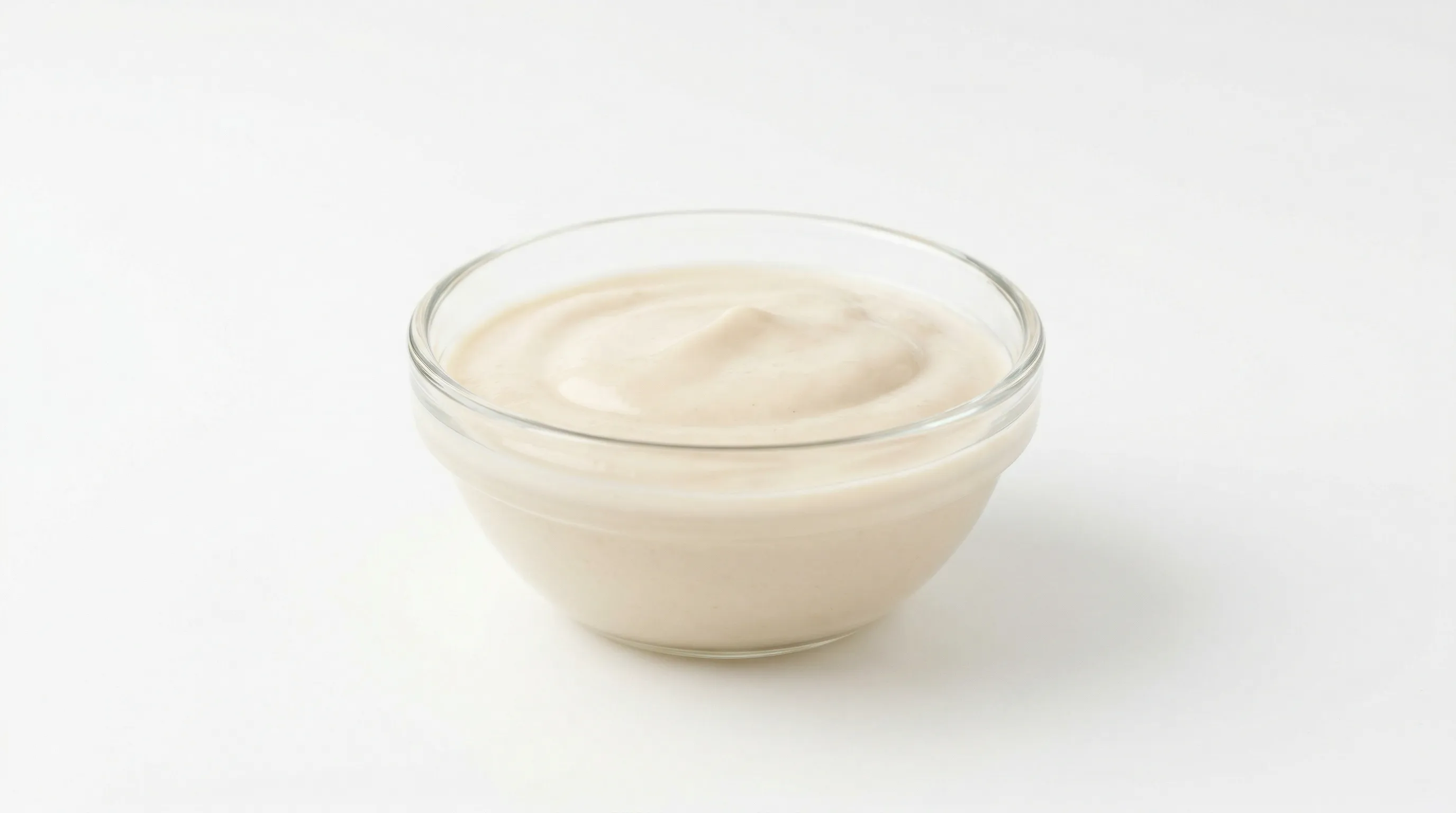
Le quark est un produit laitier frais et onctueux, fabriqué à partir de lait fermenté. Sa texture lisse, que l’on peut donner à la cuillère, ressemble à celle d’un yaourt épais ou d’un fromage frais, ce qui peut le rendre facile à proposer aux bébés une fois qu’ils sont prêts à commencer les aliments solides. Le quark nature pasteurisé peut être une option utile pour apporter de l’onctuosité et une saveur douce aux repas. Il apporte des protéines pour la croissance et du calcium pour le développement des os et des dents. Le quark contient aussi du potassium ainsi que de petites quantités de vitamine A et de vitamines B. Comme il s’agit d’un produit à base de lait, il peut enrichir les repas, mais ce n’est pas une bonne source de fer ; il est donc préférable de l’associer à des aliments riches en fer comme les lentilles, les haricots, la viande, les œufs ou les céréales enrichies en fer. Le lait de vache est un allergène courant ; le quark doit donc être introduit avec précaution, surtout lors des premières fois. Choisissez toujours un quark nature pasteurisé et évitez les versions avec sucre ajouté, arômes ou teneur élevée en sodium. Le risque d’étouffement est faible, car le quark est mou, mais il doit tout de même être servi en quantités adaptées, et les bébés doivent toujours manger assis bien droits et sous surveillance. La plupart des bébés peuvent commencer le quark dès 6 mois, en petites cuillerées ou mélangé à d’autres aliments. À mesure que votre bébé grandit, vous pouvez l’utiliser comme tartinade sur du pain grillé, comme trempette pour des fruits tendres, ou comme élément d’une collation ou d’un repas équilibré. Pour les enfants de moins de 12 mois, le quark peut être proposé comme aliment, mais il ne doit pas remplacer le lait maternel ou le lait infantile comme principale source de lait.
Comment servir selon l'âge
Proposez une petite quantité de quark nature pasteurisé à la cuillère, ou mélangez-le à des purées de légumes, des fruits écrasés ou des aliments riches en fer. Commencez par une petite portion et surveillez tout signe d’allergie au lait.
Utilisez le quark nature comme trempette pour des fruits tendres ou des légumes cuits à la vapeur, ou étalez-en une fine couche sur des mouillettes de pain grillé. Gardez des portions modestes et associez-le si possible à des aliments riches en fer.
Proposez du quark nature dans le cadre des repas ou des collations, mélangé à des flocons d’avoine, tartiné sur du pain grillé ou servi avec des fruits. Continuez à choisir des variétés sans sucre ajouté et surveillez attentivement pendant le repas.
Se marie bien avec
Sécurité et allergènes
Le quark est mou et peut être donné à la cuillère, donc le risque d’étouffement est faible. Servez le quark nature à la cuillère, étalé en fine couche sur du pain grillé, ou comme trempette avec des aliments tendres. Évitez les grosses bouchées collantes sur du pain épais et gardez toujours votre enfant assis bien droit et sous surveillance.
À surveiller
Liste de sécurité
Conservation et durée
Conservez le quark au réfrigérateur et gardez-le bien couvert. Une fois ouvert, utilisez-le dans les 3 à 5 jours ou avant la date indiquée sur l’emballage, selon la première échéance.
La congélation n’est pas recommandée, car la texture peut devenir granuleuse et aqueuse après décongélation.
Nutrition
- Apporte des protéines pour soutenir la croissance
- Contient du calcium pour les os et les dents
- Sa texture souple est facile à servir
- Peut apporter de l’onctuosité aux repas et aux collations
- Le lait de vache est un allergène courant
- N’est pas une bonne source de fer
- Certains produits peuvent être riches en sodium ou en sucres ajoutés
Nutriments clés
Valeurs nutritionnelles
| Calories | 368kcal |
|---|---|
| Protéines | 7.1g |
| Glucides | 5.7g |
| Sucres | 5.0g |
| Fer | 0.3mg |
| Calcium | 122.0mg |
| Potassium | 137mg |
| Vitamine C | 0mg |
| Folate | 20µg |
| Zinc | 0.47mg |
per 100 g
De saison
Questions fréquentes
Quand les bébés peuvent-ils manger Quark ?
Quark présente-t-il un risque d'étouffement ?
Quark est-il un allergène courant ?
Plus de premiers aliments

Suivez Quark — et tout ce que mange votre bébé
Enregistrez les repas et les réactions, recevez des alertes allergènes et suivez le parcours alimentaire de votre bébé d'un coup d'œil dans l'application Alimoo.


Sources