
About Pomelo
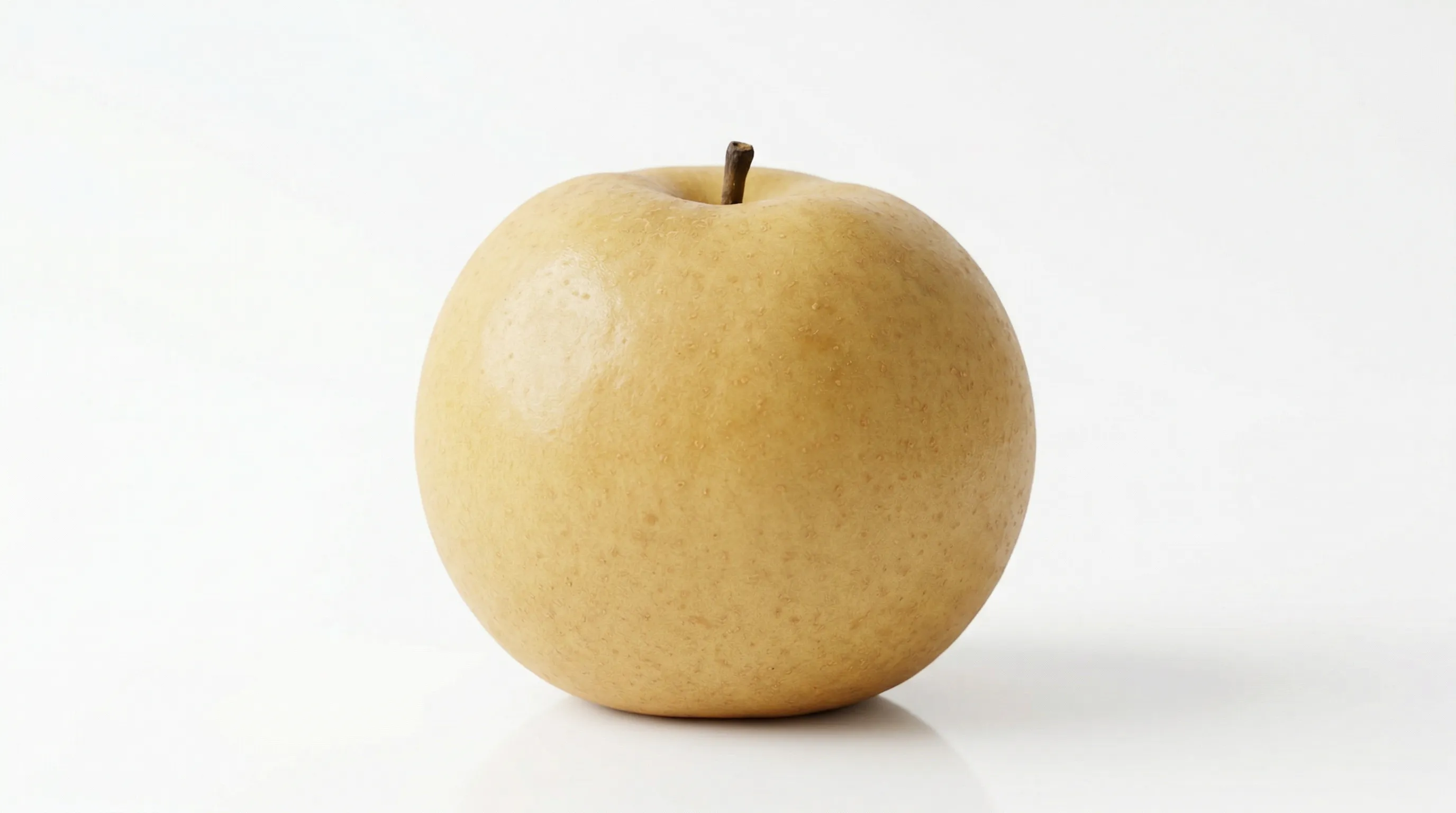
Pomelo is a large citrus fruit with sweet-tart flesh and thick peel. For babies and toddlers, it can be a refreshing food to explore once served safely, with all peel, seeds, and tough membranes removed. Its juicy segments can be appealing for little eaters who are learning new flavors and textures. Pomelo is especially known for vitamin C, which supports immune function and helps the body absorb iron from other foods. It also provides water for hydration, a little fiber for digestion, and potassium for normal muscle and nerve function. Because it is low in calories and naturally juicy, pomelo can be a nice addition to balanced meals and snacks. Pomelo is not a common allergen, but some children may react to citrus fruits with irritation around the mouth or a true allergic reaction. The acidic juice can also sting irritated skin and may worsen diaper rash in some children. In addition, the membranes around citrus segments can be tough and slippery, which raises choking risk if they are not removed carefully. Most babies can try pomelo from 6 months old if it is prepared in a safe, graspable form with the membrane removed. Start with large de-membraned pieces for self-feeding, then progress to thin slices and small pieces as chewing skills improve. Continue to supervise closely, since citrus can break into slippery mouthfuls.
How to serve by age
Offer large pieces of pomelo flesh with the peel, seeds, and tough membrane fully removed. The piece should be big enough for baby to hold and gnaw safely without breaking into a tough, slippery strip.
Once your baby is developing a pincer grasp, offer thin slices or small soft pieces of pomelo flesh. Double-check that no membrane or seeds remain, as these can be difficult to chew and increase choking risk.
Serve bite-sized pieces of peeled pomelo flesh with all membrane removed. This is a good stage to practice picking up pieces independently or using a pre-loaded utensil.
Toddlers can enjoy pomelo in thin slices or small pieces mixed into fruit salads or yogurt. Continue to avoid seeds and tough membranes, and supervise closely during meals.
Pairs well with
Safety & allergens
Pomelo has slippery flesh and tough membranes that can be hard for babies to manage. Always remove the thick peel, all seeds, and the membrane around each segment before serving. Offer large de-membraned pieces for younger babies, then thin slices or small soft pieces for older babies and toddlers. Do not serve with intact membranes or large chewy chunks.
What to watch for
Safety checklist
Storage & shelf life
Store whole pomelo at room temperature for several days or refrigerate for longer storage. Once peeled or cut, refrigerate in an airtight container and use within 3-5 days.
Freeze peeled pomelo segments in an airtight container or freezer bag for up to 3 months. Thaw in the refrigerator before serving; texture may become softer and wetter after freezing.
Nutrition
- Rich in vitamin C for immune support and iron absorption
- Provides water for hydration
- Contains potassium for muscle and nerve function
- Offers some fiber to support digestion
- Acidic fruit may irritate sensitive skin or sting around the mouth
- Not a significant source of protein or fat
- Lower in iron and zinc than many other complementary foods
Key nutrients
Nutrition facts
| Calories | 38kcal |
|---|---|
| Protein | 0.8g |
| Carbs | 9.6g |
| Fat | 0.0g |
| Fiber | 1.0g |
| Sugar | 7.7g |
| Iron | 0.1mg |
| Calcium | 4.0mg |
| Potassium | 216mg |
| Vitamin C | 61mg |
| Folate | 10µg |
| Zinc | 0.08mg |
per 100 g
In season
Common questions
When can babies eat Pomelo?
Is Pomelo a choking hazard?
Is Pomelo a common allergen?
More first foods

Track Pomelo and everything your baby eats
Log meals and reactions, get allergen alerts, and see your baby's food journey at a glance in the Alimoo app.


Backed by