
About Persimmon
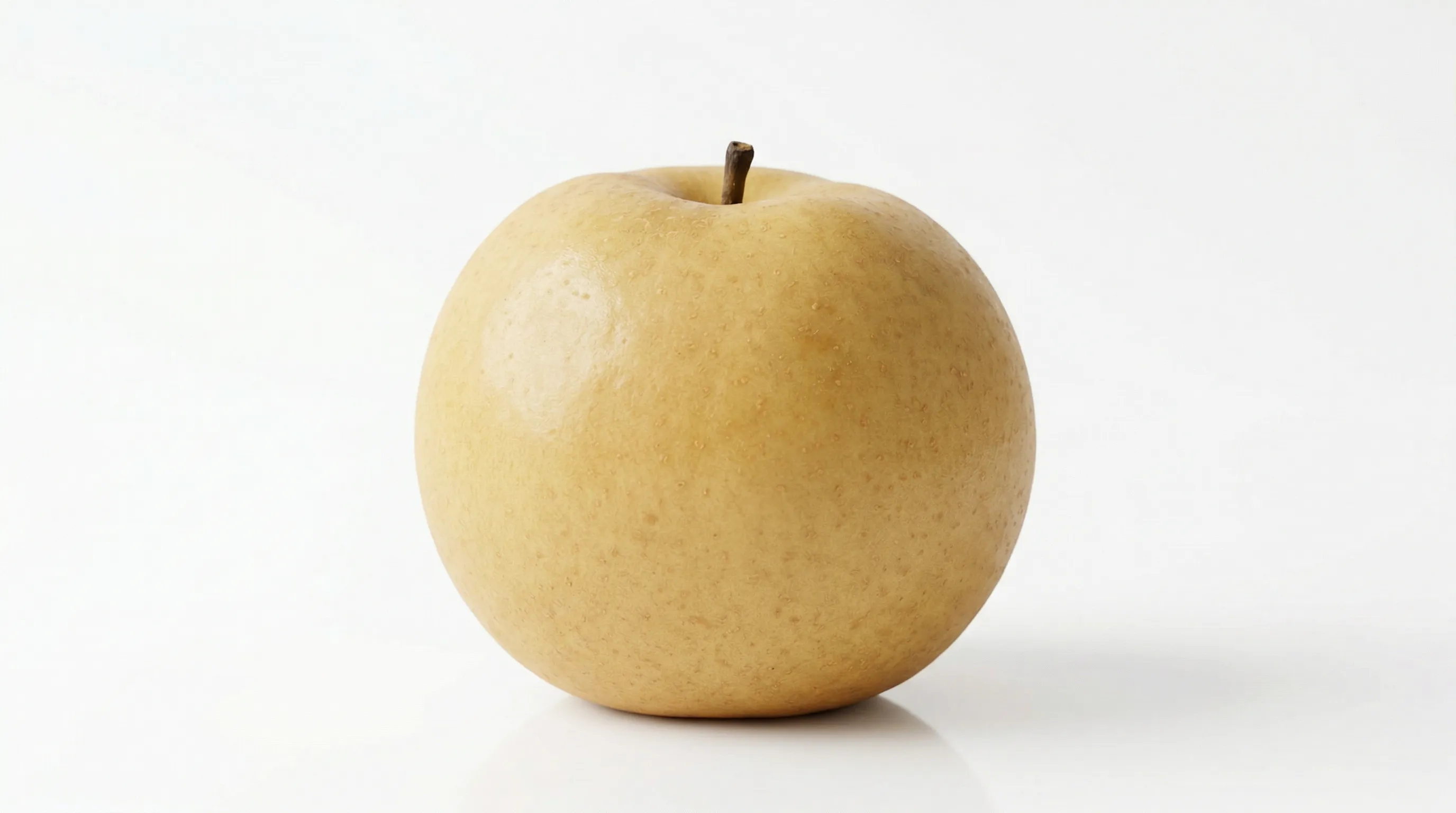
Persimmon is a sweet orange fruit that can be a fun and nutritious option for babies when served very ripe and soft. There are two common types: Hachiya, which becomes jelly-soft when fully ripe, and Fuyu, which is firmer and should be offered only when very soft or cooked for younger babies. Its naturally sweet taste can make it appealing to little eaters. Persimmon provides carbohydrates for energy, fiber to support digestion, and vitamin A for eye and immune health. It also contains vitamin C, which helps support immunity and iron absorption, along with potassium for fluid balance and muscle function. Its bright orange color reflects carotenoids, including compounds that support eye health. Persimmon is not a common allergen, but rare reactions can happen. Some children may develop oral allergy symptoms such as itching or tingling in the mouth, especially if they have pollen-related fruit sensitivities. Persimmon can also be slippery and, when firm, may pose a higher choking risk, so texture matters a lot. Most babies can start persimmon from 6 months old if it is served fully ripe and soft enough to mash easily between your fingers. Younger babies do best with scooped flesh or mash. As chewing skills improve, you can offer soft slices, small pieces, or soft quarters. Avoid firm, crunchy, or under-ripe persimmon, and always remove seeds and tough peel when needed.
How to serve by age
For Hachiya persimmon, scoop out the very soft ripe flesh and offer on a spoon or let baby self-feed from a preloaded spoon. For Fuyu persimmon, wait until very soft or cook until mashable before serving. Remove seeds and peel if needed.
Once your baby is managing more texture and developing a pincer grasp, offer very soft peeled slices, soft quarters, or small bite-sized pieces. If the fruit is at all firm, cook it first.
Offer small soft pieces or ripe peeled wedges of persimmon. Encourage small bites and chewing well while seated and supervised. Avoid slippery oversized pieces.
A toddler who bites well can have soft quarters of ripe persimmon or a whole very ripe Hachiya to scoop or bite from with close supervision. Continue to avoid firm, under-ripe fruit.
Pairs well with
Safety & allergens
Persimmon can be slippery and risky if served firm. For babies, offer only very ripe, soft flesh that squishes easily between your fingers, or cook firmer varieties until mashable. Remove seeds, peel if tough, and avoid firm wedges or large slippery chunks.
What to watch for
Safety checklist
Storage & shelf life
Store unripe persimmons at room temperature until softened. Once ripe or cut, refrigerate in an airtight container and use within 3-5 days.
Freeze mashed or peeled persimmon in an airtight container for up to 3 months. Thaw in the refrigerator before serving.
Nutrition
- Provides carbohydrates for energy
- Contains fiber to support healthy digestion
- Rich in vitamin A for eye and immune health
- Provides vitamin C to support immunity and iron absorption
- Naturally high in sugars compared with some vegetables
- Low in protein
- Low in fat
- Not a significant source of iron or zinc
Key nutrients
Nutrition facts
| Calories | 274kcal |
|---|---|
| Protein | 1.4g |
| Carbs | 73.4g |
| Fat | 0.6g |
| Fiber | 14.5g |
| Iron | 0.7mg |
| Calcium | 25.0mg |
| Potassium | 802mg |
| Vitamin A | 38.0µg |
| Zinc | 0.42mg |
per 100 g
In season
Common questions
When can babies eat Persimmon?
Is Persimmon a choking hazard?
Is Persimmon a common allergen?
More first foods

Track Persimmon and everything your baby eats
Log meals and reactions, get allergen alerts, and see your baby's food journey at a glance in the Alimoo app.


Backed by