
About Oroblanco
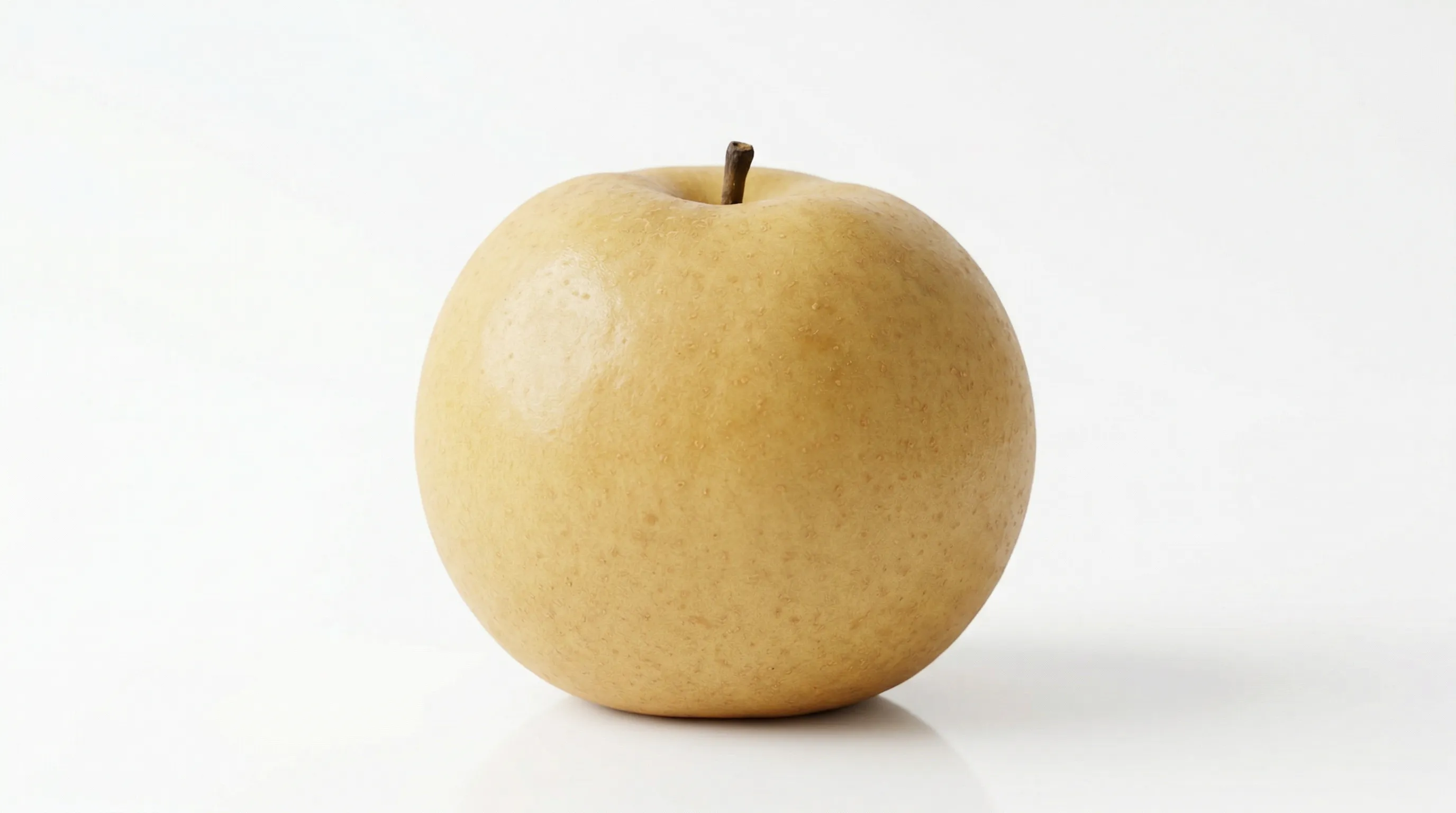
Oroblanco is a sweet, mild citrus fruit related to grapefruit and pomelo. Its juicy flesh can be a refreshing food for babies and toddlers when prepared carefully, and its gentle sweetness may be easier for some children to accept than more tart citrus fruits. It is especially rich in vitamin C, which supports immune function and helps the body absorb iron from foods like beans, lentils, meat, and fortified cereals. Oroblanco also provides water for hydration, some fiber for digestion, and small amounts of folate and potassium. Oroblanco is not a common allergen, but citrus can sometimes cause irritation around the mouth or mild reactions in sensitive children. Because it is closely related to grapefruit, it may also interact with certain medications. The membranes and any seeds can be choking hazards, so they should always be removed before serving. Most babies can try oroblanco from 6 months old if the fruit is served with all membrane, peel, and seeds removed. Start with small, soft pieces or supremed segments. As your child gets older, you can offer thin slices, bite-sized pieces, and eventually a halved fruit for scooping practice with close supervision.
How to serve by age
Serve soft pieces of oroblanco with all membrane, peel, pith, and seeds removed. You can also offer a wedge with the flesh exposed and the peel left on only as a handle, but remove the tough membrane from the edible part first.
Offer thin slices or small soft pieces once your baby is developing a pincer grasp. Continue removing all membrane and check carefully for seeds before serving.
Serve bite-sized pieces or soft citrus sections with all tough parts removed. This is a good age to pair oroblanco with iron-rich foods to help support iron absorption.
A halved oroblanco can be offered for scooping practice if all seeds are removed and your toddler can manage juicy textures well. Stay close, as slippery pieces can still be a choking risk.
Pairs well with
Safety & allergens
Remove all peel, thick membrane, and any seeds before serving. Offer only soft supremed segments or small pieces in age-appropriate sizes. Do not give intact citrus segments with membrane attached, as the slippery membrane can be difficult for babies to manage and may increase choking risk.
What to watch for
Safety checklist
Storage & shelf life
Store whole oroblanco at room temperature for a few days or refrigerate for up to 2 weeks. Once cut, refrigerate in an airtight container and use within 3-5 days.
Freezing is not recommended for best texture, as the flesh becomes very soft and watery after thawing.
Nutrition
- Very high in vitamin C for immune support and iron absorption
- Contains water that can help with hydration
- Provides some fiber to support digestion
- Offers folate and potassium in small amounts
- Low in protein
- Low in fat
- Not a significant source of iron or zinc
- Acidic fruit may irritate sensitive skin around the mouth
Key nutrients
Nutrition facts
| Calories | 42kcal |
|---|---|
| Protein | 0.8g |
| Carbs | 10.7g |
| Fat | 0.1g |
| Fiber | 1.6g |
| Sugar | 7.3g |
| Iron | 0.1mg |
| Calcium | 14.0mg |
| Potassium | 148mg |
| Vitamin C | 36mg |
| Vitamin A | 10.0µg |
| Folate | 32µg |
| Zinc | 0.07mg |
per 100 g
In season
Common questions
When can babies eat Oroblanco?
Is Oroblanco a choking hazard?
Is Oroblanco a common allergen?
More first foods

Track Oroblanco and everything your baby eats
Log meals and reactions, get allergen alerts, and see your baby's food journey at a glance in the Alimoo app.


Backed by