
À propos de Neufchâtel
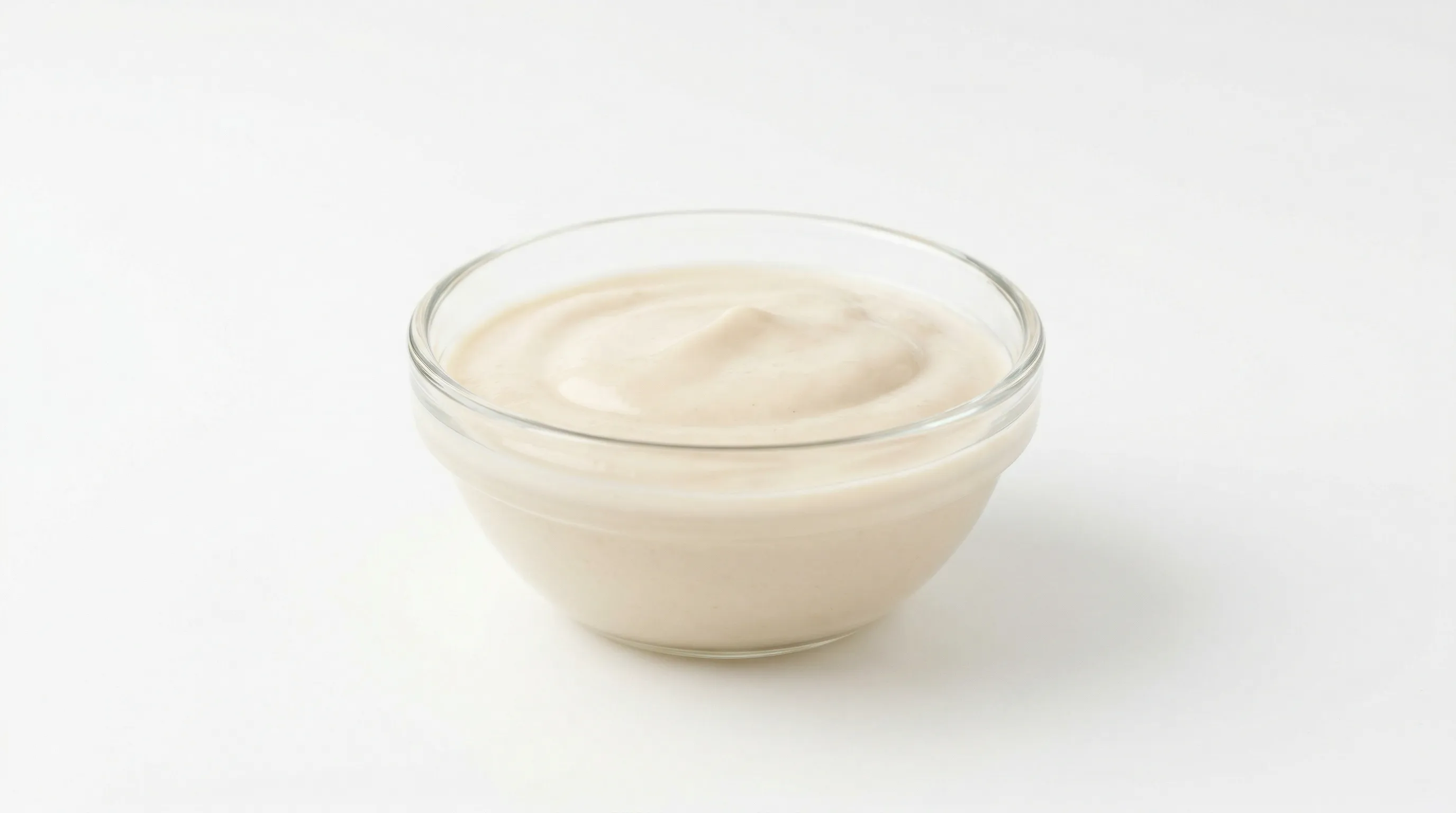
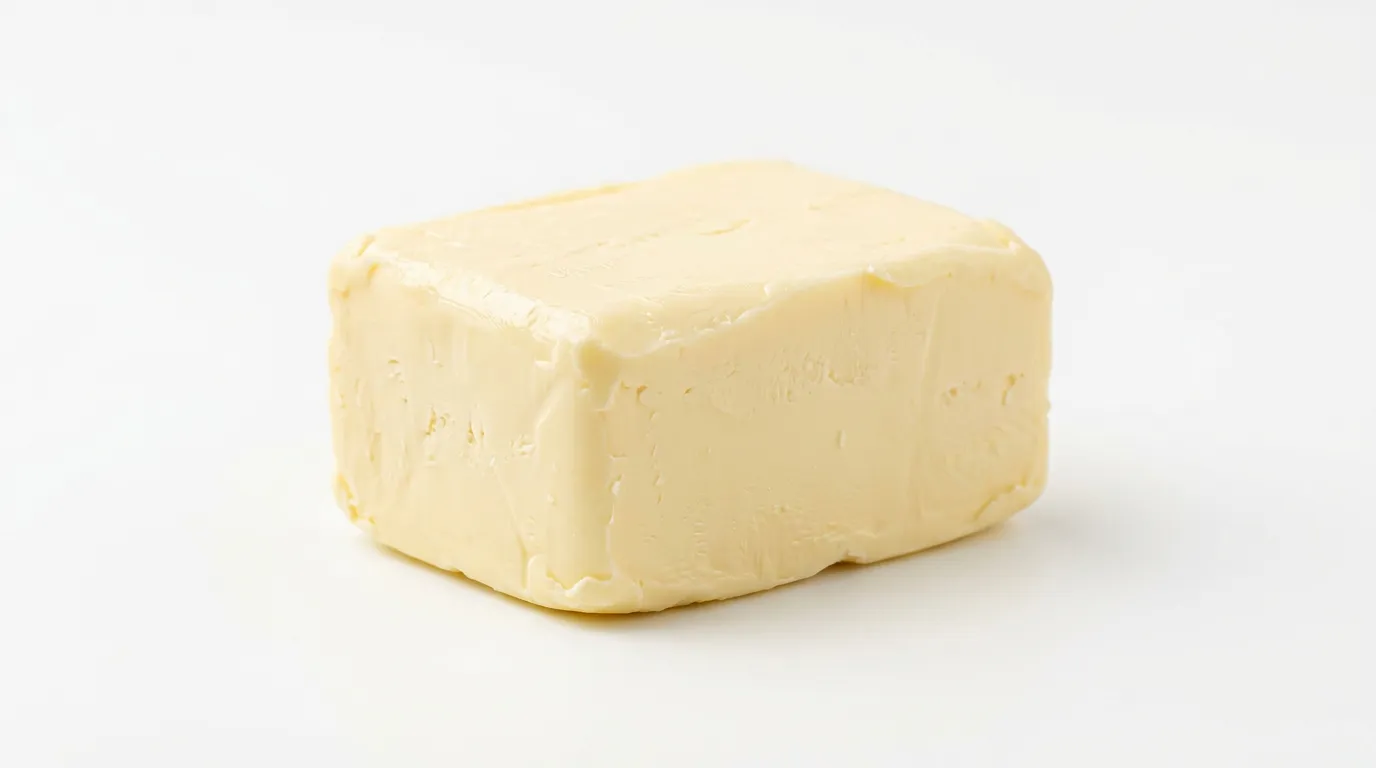
Le neufchâtel est un fromage à pâte molle et à tartiner, traditionnellement fabriqué à partir de lait de vache. Dans de nombreux commerces, il est vendu comme un fromage crémeux similaire au fromage frais à tartiner, mais souvent légèrement moins gras. Pour les bébés, il peut être une façon simple d’ajouter une saveur lactée et une texture lisse aux mouillettes de pain grillé, aux légumes, aux pâtes ou à d’autres aliments fondants, lorsqu’il est servi en couche très fine ou mélangé aux repas. Il apporte du calcium, important pour le développement des os et des dents, ainsi que de la vitamine A et de petites quantités de zinc et de protéines. Comme il est énergétique et crémeux, une petite quantité peut suffire dans les repas de bébé. Le neufchâtel n’est pas une source importante de fer ; il est donc préférable de l’associer à des aliments riches en fer comme les haricots, les lentilles, les œufs, la viande ou les céréales enrichies en fer. Comme le neufchâtel est fabriqué à partir de lait de vache, c’est un allergène courant. Choisissez toujours un produit pasteurisé pour les bébés et évitez les versions au lait cru ou affinées avec des moisissures. Il peut aussi être relativement riche en sodium et en graisses saturées ; il vaut donc mieux l’offrir en petites quantités plutôt qu’en aliment principal. La plupart des bébés peuvent commencer le neufchâtel dès 6 mois s’il est pasteurisé et servi en toute sécurité. Tartinez-le en couche très fine sur des mouillettes de pain grillé, des crackers ramollis avec un peu d’humidité, ou incorporez-en une petite quantité à des légumes tièdes, des céréales ou des pâtes. À mesure que votre enfant grandit, vous pouvez l’utiliser dans des dips, des garnitures et des plats mélangés, tout en surveillant attentivement et en évitant les grosses portions épaisses et collantes.
Comment servir selon l'âge
Proposez une couche très fine de neufchâtel pasteurisé sur des mouillettes de pain grillé ou incorporez-en une petite quantité à des légumes écrasés tièdes, des haricots ou des pâtes. Évitez les cuillerées épaisses et collantes.
Servez-le en fine couche sur un pain grillé moelleux ou utilisez-en une petite quantité dans des dips et des plats mélangés. Associez-le à des fruits ou légumes tendres seulement si la texture globale reste facile à gérer.
Utilisez du neufchâtel pasteurisé dans des sandwichs, des plats à base d’œufs, des pâtes ou des recettes au four. Continuez à en proposer des portions modestes, car il peut être riche en sodium et en graisses saturées.
Se marie bien avec
Sécurité et allergènes
Le neufchâtel est plus sûr lorsqu’il est tartiné en couche très fine ou mélangé à d’autres aliments mous. Évitez de servir des cuillerées épaisses et collantes ou de grosses portions, qui peuvent adhérer dans la bouche et augmenter le risque d’étouffement. Servez-le toujours avec des aliments adaptés à l’âge de l’enfant et sous surveillance étroite.
À surveiller
Liste de sécurité
Conservation et durée
Réfrigérez le neufchâtel rapidement après ouverture dans son emballage d’origine ou dans un récipient hermétique. À utiliser dans les 3 à 5 jours après ouverture, ou selon les indications de l’emballage si le délai est plus court.
La congélation n’est pas recommandée, car la texture peut devenir granuleuse et aqueuse après décongélation.
Nutrition
- Apporte du calcium pour les os et les dents
- Contient de la vitamine A, utile pour la vision et le soutien immunitaire
- Ajoute de l’énergie et de l’onctuosité aux repas
- Apporte un peu de protéines et de zinc
- Allergène courant du lait
- Peut être riche en sodium
- Riche en graisses saturées
- N’est pas une bonne source de fer
Nutriments clés
Valeurs nutritionnelles
| Calories | 1190kcal |
|---|---|
| Protéines | 18.5g |
| Fer | 0.1mg |
| Calcium | 74.5mg |
| Potassium | 117mg |
| Folate | 95µg |
| Zinc | 0.55mg |
per 100 g
De saison
Questions fréquentes
Quand les bébés peuvent-ils manger Neufchâtel ?
Neufchâtel présente-t-il un risque d'étouffement ?
Neufchâtel est-il un allergène courant ?
Plus de premiers aliments

Suivez Neufchâtel — et tout ce que mange votre bébé
Enregistrez les repas et les réactions, recevez des alertes allergènes et suivez le parcours alimentaire de votre bébé d'un coup d'œil dans l'application Alimoo.


Sources