
À propos de Fromage munster
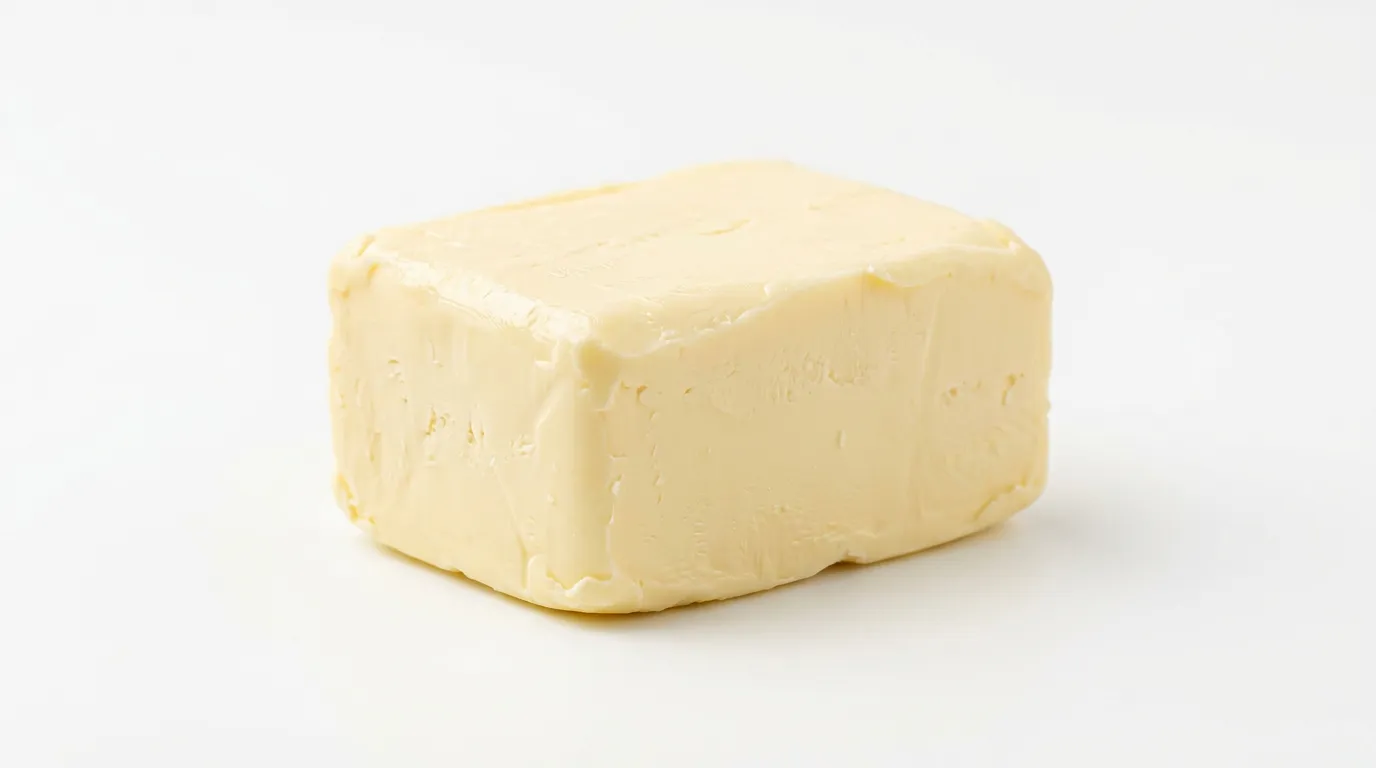
Le fromage munster est un fromage au lait de vache à pâte demi-molle, au goût doux et à la texture lisse. Lorsqu’il est fabriqué à partir de lait pasteurisé et servi sous des formes sûres, il peut être un aliment savoureux pour les bébés et les jeunes enfants. Sa texture souple peut être plus facile à gérer que celle des fromages très durs, mais il doit tout de même être coupé avec soin, car le fromage peut former des bouchées collantes. Il apporte des protéines pour la croissance et du calcium pour le développement des os et des dents. Le munster contient aussi de la vitamine A et de la vitamine B12, des nutriments qui soutiennent la vision, le système immunitaire ainsi que le bon développement du sang et du système nerveux. Comme le fromage est énergétiquement dense, une petite quantité peut enrichir les repas et les collations. Le lait de vache est un allergène courant ; il faut donc introduire le munster avec précaution et surveiller les signes d’une réaction allergique. Choisissez un fromage pasteurisé pour les bébés et les jeunes enfants, et servez-en des portions modestes, car le fromage peut être riche en sodium et en graisses saturées. Évitez les gros morceaux, les cubes et les grosses masses fondues épaisses, qui peuvent augmenter le risque d’étouffement. La plupart des bébés peuvent commencer à manger du munster pasteurisé vers 6 mois s’ils sont prêts pour les aliments solides. Proposez-le d’abord râpé, finement râpé ou en fines lanières souples. À mesure que les compétences de mastication progressent, vous pouvez passer à de petits morceaux et à de fines couches fondues sur d’autres aliments. Attendez pour les cubes et les morceaux plus épais que votre tout-petit ait une mastication bien maîtrisée, et surveillez-le toujours pendant les repas.
Comment servir selon l'âge
Proposez du fromage munster pasteurisé finement râpé ou en très fines lanières souples que bébé peut écraser avec les gencives. Évitez les tranches épaisses, les amas collants et toutes les formes en cube.
Une fois que votre bébé a développé la pince pouce-index, proposez du fromage râpé ou de très petits morceaux tendres. Vous pouvez aussi faire fondre une fine couche sur des légumes, des œufs ou des mouillettes de pain grillé.
Servez de fines tranches coupées en courtes lanières, du fromage râpé, ou une fine couche fondue sur des aliments comme du pain grillé ou des légumes. Évitez les portions épaisses de sandwich au fromage grillé avec une garniture dense et filante.
Si votre tout-petit mastique bien et prend de petites bouchées, vous pouvez proposer de petits morceaux de fromage munster. Continuez à éviter les gros cubes et surveillez-le de près, car le fromage peut encore être avalé en grosse bouchée.
Se marie bien avec
Sécurité et allergènes
Le fromage peut être glissant, collant et facile à avaler en gros morceau. Servez le munster en fines lanières, en très petits morceaux ou râpé. Évitez les cubes, les morceaux épais et les gros amas de fromage fondu. Pour les tout-petits, une fine couche de fromage fondu sur une tartine ou mélangée à d’autres aliments est plus sûre que des bouchées denses de fromage seul.
À surveiller
Liste de sécurité
Conservation et durée
Conservez le fromage munster au réfrigérateur dans un contenant hermétique ou bien emballé, et utilisez-le dans les 3 à 5 jours après ouverture ou découpe.
Congelez le fromage bien emballé jusqu’à 3 mois. La texture peut devenir plus friable après décongélation ; il est donc souvent préférable de l’utiliser fondu ou râpé dans les aliments.
Nutrition
- Apporte des protéines pour la croissance et la construction des tissus
- Riche en calcium pour les os et les dents
- Contient de la vitamine A pour la vision et le soutien immunitaire
- Apporte de la vitamine B12 pour la santé du sang et du système nerveux
- Peut être riche en sodium
- Riche en graisses saturées
- Pauvre en fibres
- N’est pas une source significative de vitamine C
Nutriments clés
Valeurs nutritionnelles
| Calories | 368kcal |
|---|---|
| Protéines | 23.4g |
| Glucides | 1.1g |
| Lipides | 30.0g |
| Sucres | 1.1g |
| Fer | 0.4mg |
| Calcium | 717.0mg |
| Potassium | 134mg |
| Vitamine A | 298.0µg |
| Folate | 12µg |
| Zinc | 2.81mg |
per 100 g
De saison
Questions fréquentes
Quand les bébés peuvent-ils manger Fromage munster ?
Fromage munster présente-t-il un risque d'étouffement ?
Fromage munster est-il un allergène courant ?
Plus de premiers aliments

Suivez Fromage munster — et tout ce que mange votre bébé
Enregistrez les repas et les réactions, recevez des alertes allergènes et suivez le parcours alimentaire de votre bébé d'un coup d'œil dans l'application Alimoo.


Sources