
À propos de Fromage mozzarella
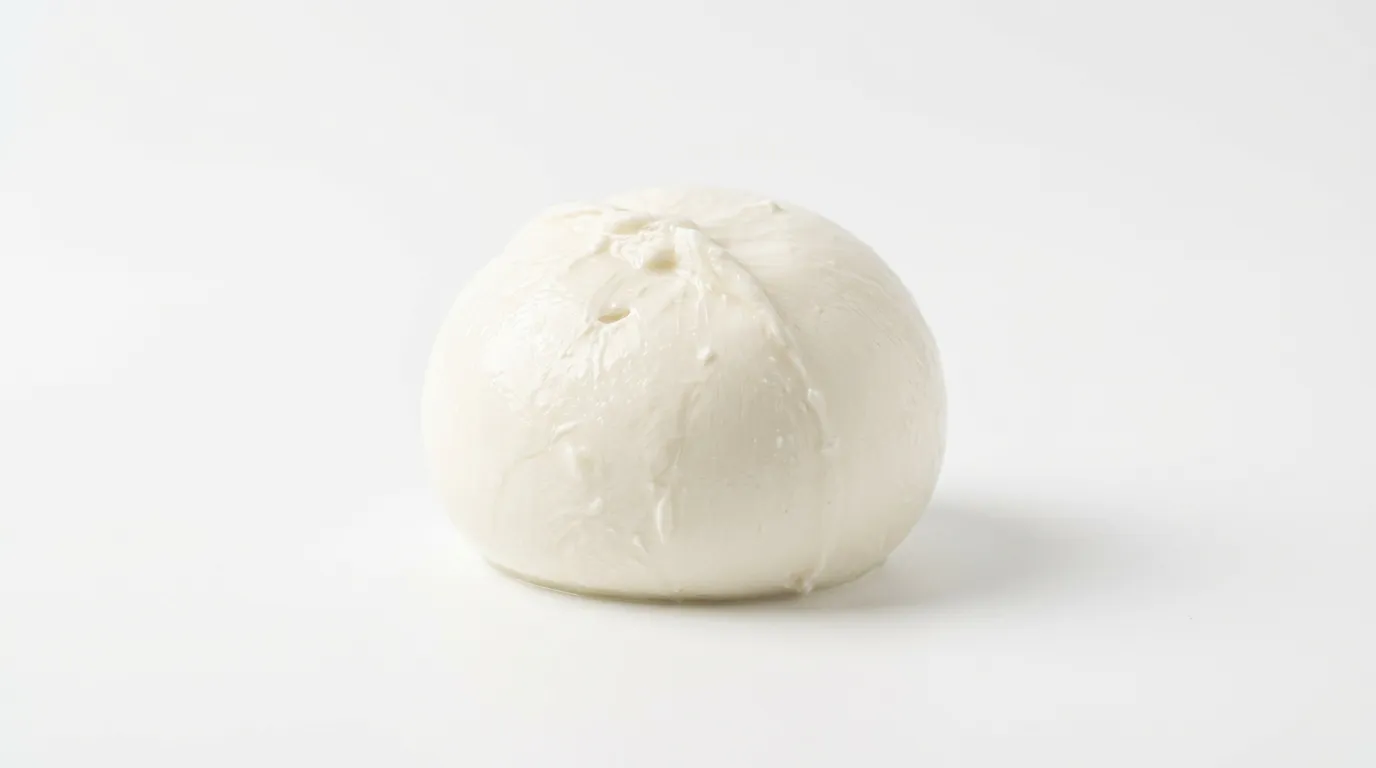
Le fromage mozzarella est un fromage doux et moelleux fabriqué à partir de lait, le plus souvent de lait de vache. Il peut être utile pour les bébés, car il est assez tendre pour être adapté en formes sûres pour eux et apporte des protéines et des matières grasses qui soutiennent la croissance. La mozzarella fraîche est généralement plus tendre et plus humide que la mozzarella à faible teneur en eau, mais les deux nécessitent une présentation prudente, car le fromage peut être glissant, caoutchouteux et facile à mordre en gros morceaux. La mozzarella apporte du calcium pour le développement des os et des dents, des protéines pour la croissance, et de la vitamine A pour la vision et la fonction immunitaire. Elle contient aussi des matières grasses, importantes pour les bébés et les tout-petits, même si la quantité exacte varie selon le type. Le fromage peut être un moyen pratique d’ajouter de l’énergie et des nutriments aux repas, mais ce n’est pas une source importante de fer ; il est donc préférable de l’associer à des aliments riches en fer comme les haricots, les lentilles, la viande ou les œufs. La mozzarella est un allergène courant car elle contient des protéines de lait de vache. Les bébés allergiques au lait de vache peuvent réagir même à de petites quantités. Il est également important d’utiliser de la mozzarella pasteurisée pour les nourrissons et les tout-petits. Le fromage est naturellement salé, donc proposez-en des portions modestes et évitez d’en faire un aliment principal au quotidien. La mozzarella fondue peut former des amas collants qui augmentent le risque d’étouffement ; elle doit donc être servie avec une prudence particulière. La plupart des bébés peuvent commencer la mozzarella dès 6 mois si elle est pasteurisée et servie sous des formes sûres, comme des filaments très fins ou de larges tranches très fines. À mesure que les compétences orales progressent, vous pouvez passer à de petits morceaux plats ou à de courtes lanières. Pour les tout-petits, des morceaux de la taille d’une bouchée conviennent, mais la surveillance reste importante, car le fromage peut rester caoutchouteux et glissant.
Comment servir selon l'âge
Proposez de la mozzarella pasteurisée sous forme de filaments très fins ou de larges tranches très fines, presque translucides, que bébé peut attraper ou écraser avec les gencives. Évitez les lanières épaisses, les cubes ou le fromage fondu qui peut former une bouchée collante.
Une fois que votre bébé développe la pince pouce-index, servez de petits morceaux plats ou de courtes lanières fines de mozzarella pasteurisée. Gardez les morceaux fins plutôt qu’épais pour réduire le risque d’étouffement.
Proposez de petits morceaux de mozzarella de la taille d’une bouchée dans le cadre d’un repas ou d’une collation. Continuez à éviter les gros morceaux caoutchouteux et soyez prudent avec le fromage fondu sur des aliments comme la pizza, les quesadillas ou les tartines.
Les tout-petits peuvent manger de petits morceaux ou de fines tranches de mozzarella sous surveillance. Encouragez de petites bouchées et une bonne mastication, et continuez à limiter les portions trop grosses ou de fromage fondu très filant.
Se marie bien avec
Sécurité et allergènes
La mozzarella peut être glissante, élastique et caoutchouteuse, surtout lorsqu’elle est servie en cubes épais, en bâtonnets ou en amas fondus. Pour les jeunes bébés, proposez des filaments très fins ou de larges tranches fines qu’ils peuvent écraser avec les gencives en toute sécurité. Évitez les gros morceaux, les bâtonnets épais et les amas fondus filants sur la pizza ou les tartines. Servez toujours l’enfant assis et surveillez-le de près.
À surveiller
Liste de sécurité
Conservation et durée
Réfrigérez la mozzarella rapidement. Conservez le fromage entamé dans un récipient hermétique au réfrigérateur et utilisez-le dans les 3 à 5 jours, ou suivez les indications de l’emballage si le délai est plus court.
La congélation n’est pas idéale pour la mozzarella, car la texture devient souvent friable ou aqueuse après décongélation. Si nécessaire, congelez-la bien emballée jusqu’à 2 mois pour une utilisation en cuisson plutôt que pour être servie fraîche.
Nutrition
- Apporte du calcium pour les os et les dents
- Contient des protéines qui soutiennent la croissance
- Apporte des matières grasses pour l’énergie et le développement
- Contient de la vitamine A pour la vision et la santé immunitaire
- Allergène courant car contient du lait de vache
- Naturellement riche en sodium
- Pauvre en fer
- Peut présenter un risque d’étouffement s’il est servi en morceaux épais ou fondus
Nutriments clés
Valeurs nutritionnelles
| Calories | 248kcal |
|---|---|
| Protéines | 11.5g |
| Glucides | 23.7g |
| Lipides | 12.2g |
| Sucres | 23.7g |
| Fer | 0.4mg |
| Calcium | 610.0mg |
| Potassium | 455mg |
| Vitamine C | 0mg |
| Vitamine A | 437.0µg |
| Folate | 11µg |
| Zinc | 1.92mg |
per 100 g
De saison
Questions fréquentes
Quand les bébés peuvent-ils manger Fromage mozzarella ?
Fromage mozzarella présente-t-il un risque d'étouffement ?
Fromage mozzarella est-il un allergène courant ?
Plus de premiers aliments

Suivez Fromage mozzarella — et tout ce que mange votre bébé
Enregistrez les repas et les réactions, recevez des alertes allergènes et suivez le parcours alimentaire de votre bébé d'un coup d'œil dans l'application Alimoo.


Sources