
À propos de Fromage Monterey Jack
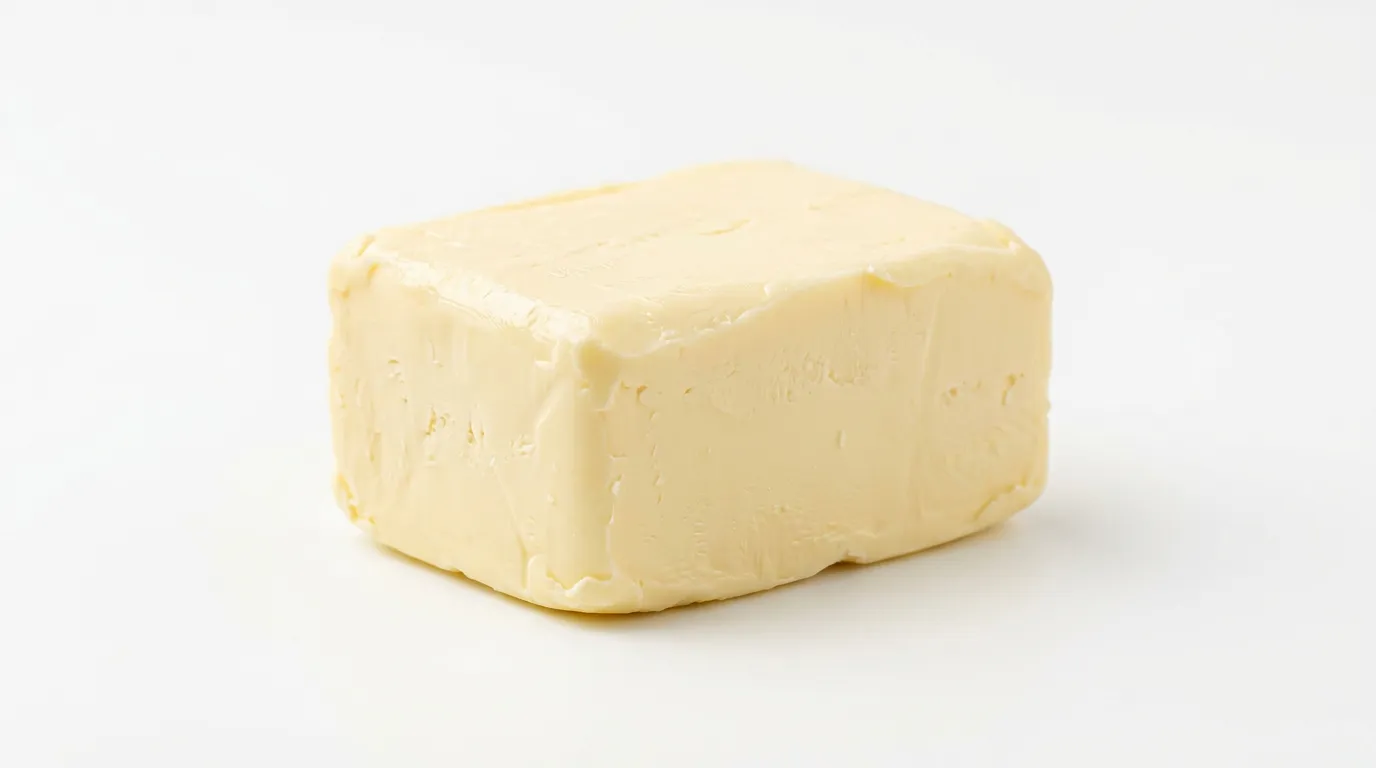
Le Monterey Jack est un fromage au lait de vache à pâte demi-ferme et au goût doux, qui fond facilement et présente une saveur tendre et crémeuse que beaucoup de bébés et de tout-petits apprécient. Lorsqu’il est fabriqué à partir de lait pasteurisé et servi sous une forme sûre, il peut être une façon pratique d’ajouter des produits laitiers aux repas et aux collations. Il apporte des protéines pour la croissance, du calcium pour les os et les dents, ainsi que de la vitamine A pour la vision et le fonctionnement immunitaire. Le fromage est aussi riche en énergie, ce qui peut être utile pour les petits mangeurs, mais il est relativement riche en sodium et en graisses saturées ; il vaut donc mieux l’offrir en petites portions, avec une variété d’autres aliments. Le Monterey Jack est un allergène courant car il contient du lait de vache. Introduisez-le avec précaution, surtout si votre enfant a de l’eczéma, une allergie au lait connue ou des antécédents de réactions aux produits laitiers. Choisissez toujours un fromage pasteurisé pour les bébés et évitez les gros morceaux, les cubes ou les morceaux épais et collants qui peuvent augmenter le risque d’étouffement. La plupart des bébés peuvent commencer à consommer du Monterey Jack vers 6 mois s’ils sont prêts pour les aliments solides. Pour les plus jeunes bébés, proposez du fromage finement râpé ou de très fines bandes larges faciles à écraser avec les gencives. À mesure que les capacités de mastication s’améliorent, vous pouvez passer à de petits morceaux fins ou faire fondre un peu de fromage dans des légumes, des œufs, des haricots ou sur du pain grillé.
Comment servir selon l'âge
Proposez une petite quantité de Monterey Jack pasteurisé sous forme de fins copeaux ou de très fines bandes larges que bébé peut écraser avec les gencives et réduire en bouillie. Évitez les cubes et les morceaux épais, plus difficiles à gérer en toute sécurité.
À mesure que les capacités de mastication s’améliorent, proposez du fromage râpé, de fines tranches déchirées en morceaux faciles à gérer, ou une petite quantité légèrement fondue dans des œufs, des légumes, des haricots ou sur du pain grillé. Évitez les amas collants.
Servez de petits morceaux fins, du fromage râpé ou un peu de fromage fondu dans des plats composés. Continuez à éviter les cubes et les bouchées trop grosses, et gardez des portions modestes en raison de sa teneur en sodium.
Les tout-petits peuvent consommer de fines tranches ou de petits morceaux de Monterey Jack dans le cadre d’un repas ou d’une collation équilibrés. Encouragez les petites bouchées et une bonne mastication, en position assise et sous surveillance.
Se marie bien avec
Sécurité et allergènes
Le fromage à pâte demi-ferme peut former une bouchée collante et compacte en bouche et présente un risque d’étouffement s’il est servi en cubes ou en gros morceaux épais. Pour les plus jeunes bébés, proposez du fromage finement râpé ou de très fines tranches larges. Évitez les cubes de fromage, les bâtonnets épais et les gros amas de fromage fondu collants. Surveillez toujours attentivement votre enfant lorsqu’il est assis bien droit.
À surveiller
Liste de sécurité
Conservation et durée
Conservez le Monterey Jack bien emballé ou dans un contenant hermétique au réfrigérateur et utilisez-le dans les 3 à 5 jours après ouverture ou après l’avoir tranché.
La congélation n’est pas idéale, car elle peut rendre la texture friable et moins agréable. Si nécessaire, congelez-le bien emballé jusqu’à 2 mois pour une utilisation en cuisson, puis décongelez-le au réfrigérateur.
Nutrition
- Riche en calcium pour les os et les dents
- Apporte des protéines pour soutenir la croissance
- Contient de la vitamine A pour la vision et la santé immunitaire
- Riche en énergie, donc une petite quantité peut être rassasiante
- Riche en sodium par rapport à de nombreux aliments entiers
- Riche en graisses saturées
- Pauvre en fibres
- N’est pas une source significative de vitamine C
Nutriments clés
Valeurs nutritionnelles
| Calories | 373kcal |
|---|---|
| Protéines | 24.5g |
| Glucides | 0.7g |
| Lipides | 30.3g |
| Sucres | 0.5g |
| Fer | 0.7mg |
| Calcium | 746.0mg |
| Potassium | 81mg |
| Vitamine A | 198.0µg |
| Folate | 18µg |
| Zinc | 3.00mg |
per 100 g
De saison
Questions fréquentes
Quand les bébés peuvent-ils manger Fromage Monterey Jack ?
Fromage Monterey Jack présente-t-il un risque d'étouffement ?
Fromage Monterey Jack est-il un allergène courant ?
Plus de premiers aliments

Suivez Fromage Monterey Jack — et tout ce que mange votre bébé
Enregistrez les repas et les réactions, recevez des alertes allergènes et suivez le parcours alimentaire de votre bébé d'un coup d'œil dans l'application Alimoo.


Sources