
About Loquat
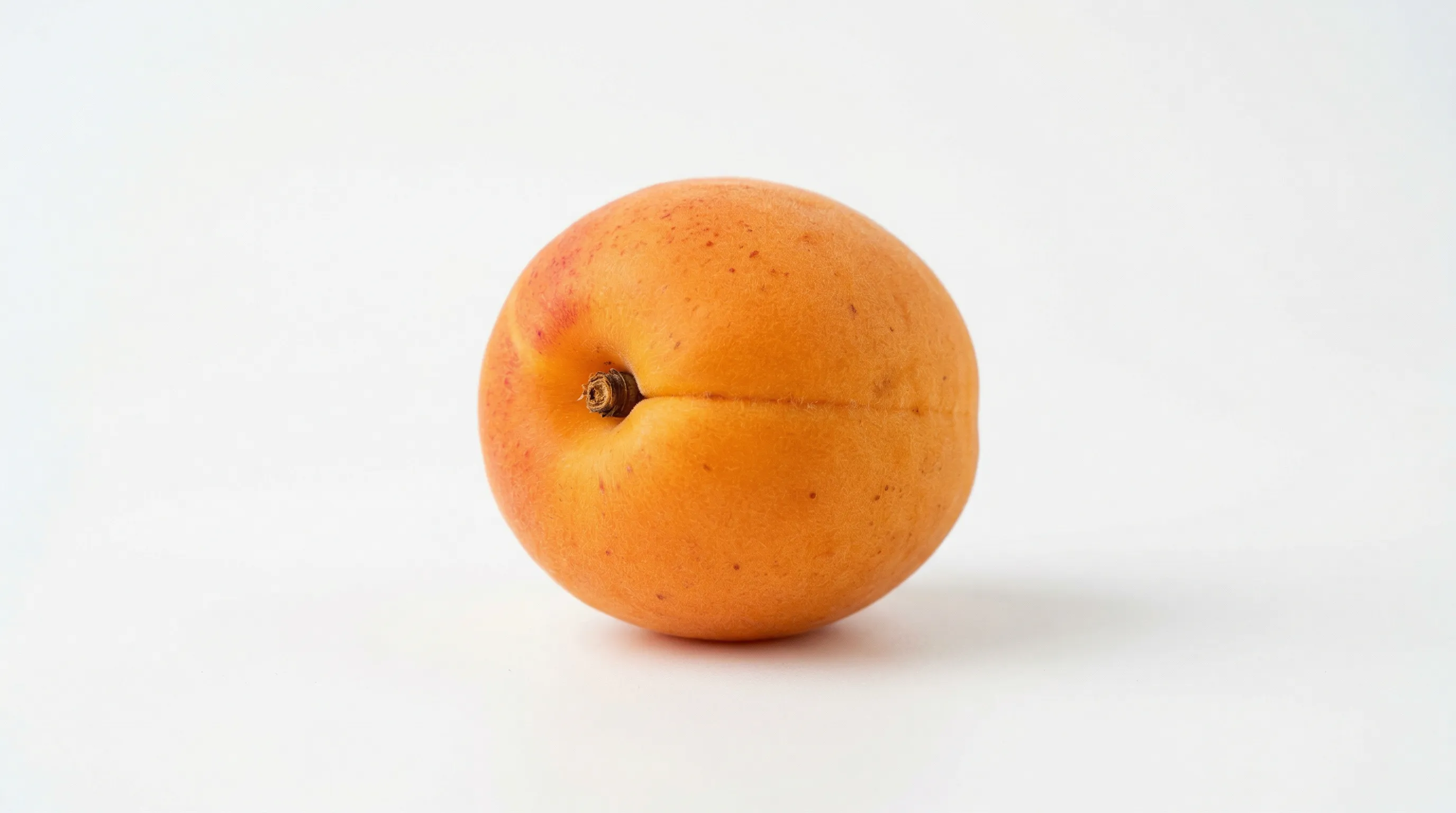
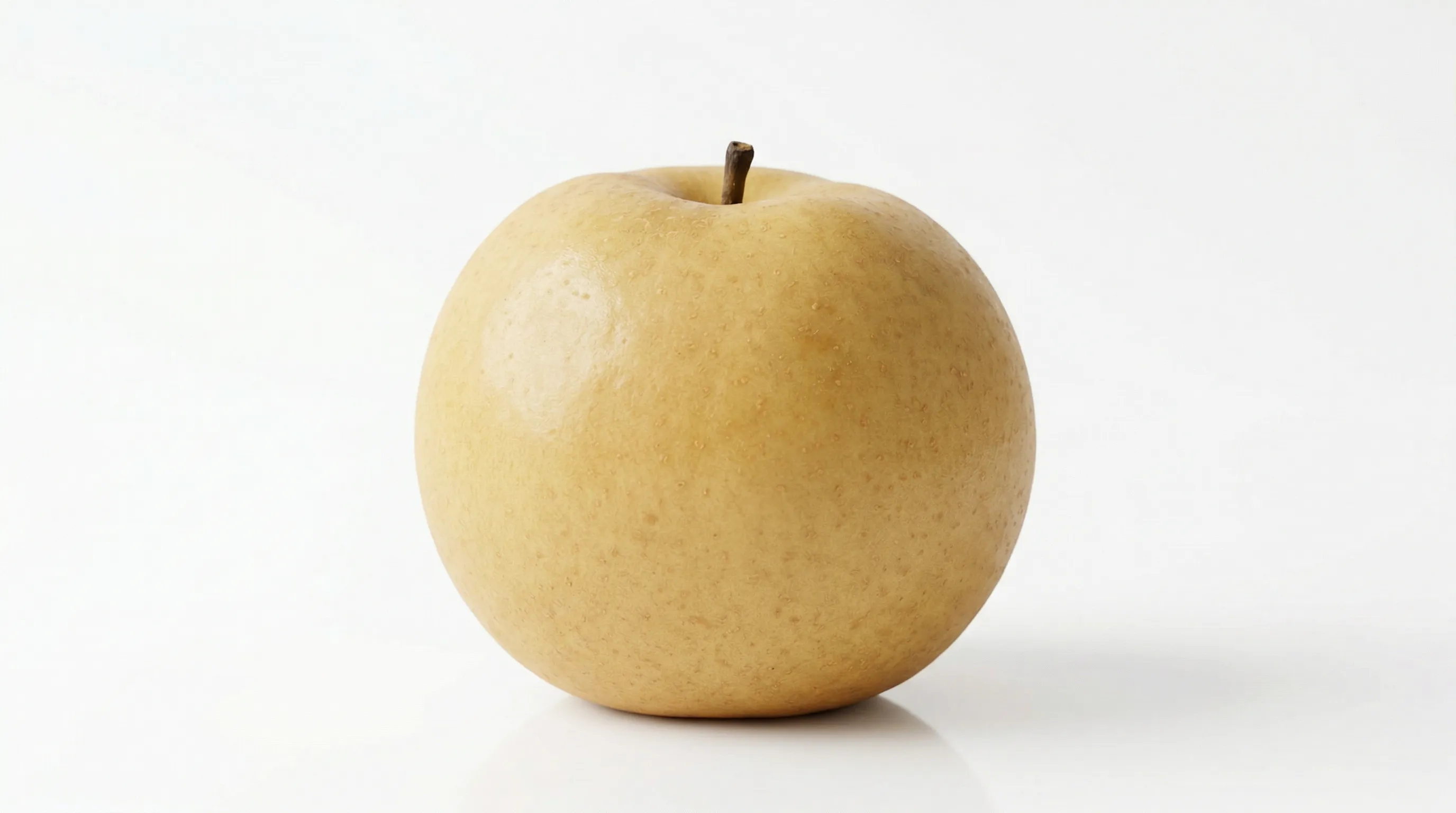
Loquat is a small orange-yellow fruit with juicy flesh and a sweet-tart flavor. When fully ripe, it can be soft enough for babies and makes a nice way to add variety beyond more common fruits. Its naturally tender texture works well mashed, finely chopped, or mixed into other foods. Loquat provides carbohydrates for energy along with fiber to support digestion. It also contains vitamin A from carotenoids, which supports eye and immune health, plus potassium for muscle and nerve function. While it is not especially high in iron or protein, it can be a useful fruit to pair with iron-rich foods as part of a balanced meal. Loquat is not a common allergen, but reactions can happen rarely. Children with oral allergy syndrome or sensitivities to other fruits in the Rosaceae family may be more likely to react. The biggest safety concern is not allergy but choking: loquats contain large seeds and sometimes tough peel, both of which must be removed before serving. Most babies can start loquat from 6 months old if the fruit is very ripe, soft, peeled if needed, and completely de-seeded. Begin with mashed or finely minced loquat mixed into yogurt, oatmeal, or porridge. As your child develops chewing skills, progress to soft strips or small bite-sized pieces, always seated upright and closely supervised.
How to serve by age
Use very ripe, soft loquat. Remove all seeds completely and peel if needed, then mash well or finely mince and mix into porridge, oatmeal, or plain yogurt for an easy first introduction.
Offer ripe loquat as soft strips or small pieces once your baby is developing a pincer grasp. Check carefully for any seed fragments and remove peel if it is difficult to chew.
Serve chopped ripe loquat or thin slices with all seeds and tough skin removed. Pair with yogurt, cottage cheese, or oatmeal to make a balanced snack.
Toddlers can enjoy ripe de-seeded loquat pieces or loquat blended into smoothies with other fruits. Continue to avoid the seeds entirely and supervise closely during eating.
Pairs well with
Safety & allergens
Always remove all seeds completely before serving. Offer only ripe, soft loquat flesh, and peel if the skin is tough. For younger babies, mash or finely mince. For older babies and toddlers, serve small soft pieces or thin slices. Avoid firm fruit, large chunks, and any pieces with peel or seed fragments attached.
What to watch for
Safety checklist
Storage & shelf life
Store ripe loquats in the refrigerator and use within 3-5 days. Once peeled or cut, keep in an airtight container and use within 1-2 days.
Freeze peeled, de-seeded loquat pieces or puree in an airtight container for up to 3 months. Thaw in the refrigerator before serving.
Nutrition
- Provides vitamin A carotenoids for eye and immune health
- Contains fiber to support healthy digestion
- Offers potassium for muscle and nerve function
- Adds fruit variety and natural energy from carbohydrates
- Not a significant source of protein
- Not a rich source of iron
- Contains natural sugars
- Seeds must be completely removed before serving
Key nutrients
Nutrition facts
| Calories | 47kcal |
|---|---|
| Protein | 0.4g |
| Carbs | 12.1g |
| Fat | 0.2g |
| Fiber | 1.7g |
| Iron | 0.3mg |
| Calcium | 16.0mg |
| Potassium | 266mg |
| Vitamin C | 1mg |
| Vitamin A | 76.0µg |
| Folate | 14µg |
| Zinc | 0.05mg |
per 100 g
In season
Common questions
When can babies eat Loquat?
Is Loquat a choking hazard?
Is Loquat a common allergen?
More first foods

Track Loquat and everything your baby eats
Log meals and reactions, get allergen alerts, and see your baby's food journey at a glance in the Alimoo app.


Backed by